
Bottle Filling and Packaging Lines
Review the process, equipment duties and project boundary from one defined basis.
Confirm the Product, Pack and Line Interfaces Before Comparing Speed
Define the product-pack route first
Start by recording the fill dose, the container family and the closure system as one connected set. A 500 ml PET bottle filled with still water is a different engineering duty from a 100 ml glass vial holding a heat-sensitive syrup, even when both machines carry the same nominal bottles-per-hour figure. Write down the product temperature at filling, its viscosity, whether it foams, whether it contains pulp or particulates, and how much headspace the finished pack must hold.
The closure matters as much as the fill head. Crown caps, screw caps, press-on lids, induction seals and can seaming each impose their own torque, height and changeover requirements, and they usually dictate the star wheel, conveyor pitch and upstream bottle spacing. Confirm where the empty container enters, how it is orientated, and how the closed pack leaves the line before anyone quotes a speed, because the interfaces around the machine frequently cost more engineering time than the filler itself.
Fix the fill accuracy and the cleaning method at the same time, because a machine that must be stripped for every product change loses far more time than any speed advantage it appears to offer.
Every container and closure you can name in the brief is one less assumption the supplier has to make.
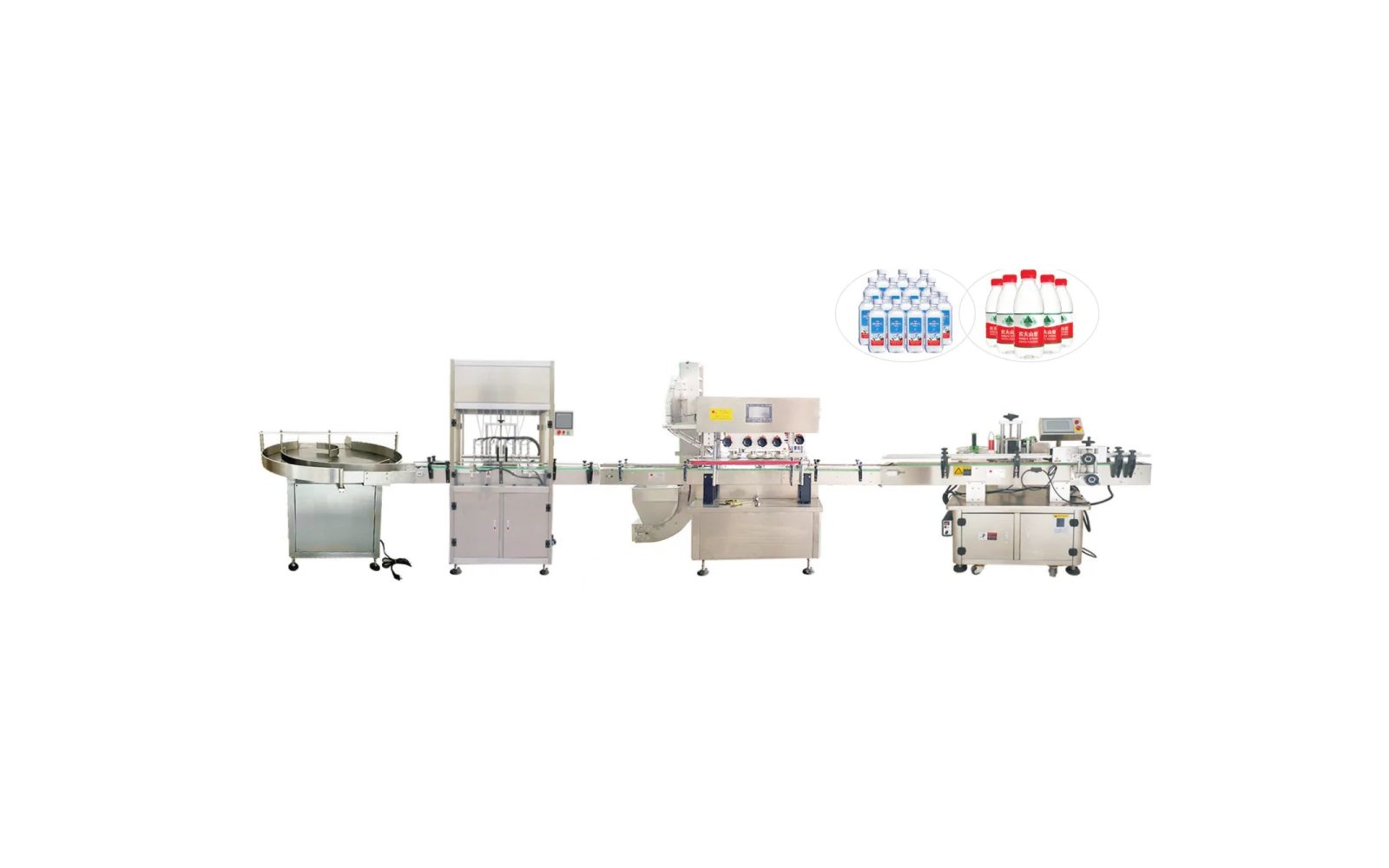
Balance Product Flow, Pack Formation and Line Handoff
Packaging route and parameter consequences
A filling line only runs as fast as its slowest handoff. Treat the filler as the centre of a short chain that includes bottle unscrambling or depalletising, rinsing, filling, capping, sealing inspection, labeling and case packing, and then test each transfer for starvation and accumulation. If the filler can run at 120 bottles per minute but the capper is limited to 90, the line runs at 90 and the extra filler capacity is never realised.
Plan buffer between stations rather than specifying every machine at the same headline speed. A small accumulation table before the capper absorbs a rejected bottle, a label splice or an operator inspection without stopping the filler, and it gives the line a chance to recover from a fault without dumping product. Define the reject route early: where does an under-filled bottle or a missing-cap pack leave the line, and can it be removed without contaminating the accepted flow?
Count the stops as well as the speed: every rejected bottle, label splice or cap jam is an interruption, and the line that recovers from those events without dumping product is the one that actually ships at its nameplate rate.
The line that tolerates small interruptions is the line that keeps its promised output across a full shift.
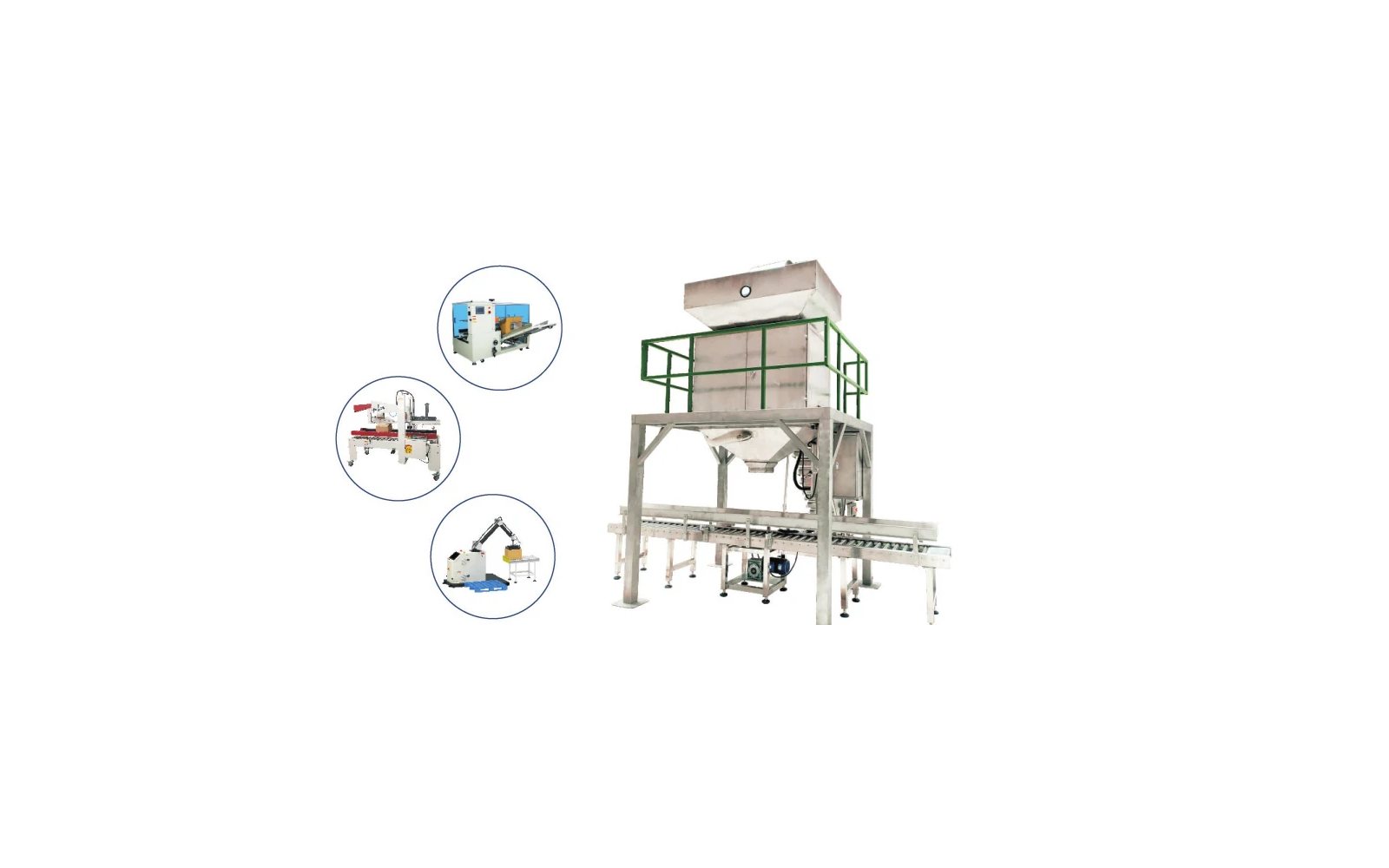
Compare Each Model Against One Product-Pack Basis
Models and technical parameters
Every published speed assumes a product and pack that may not be yours. Before comparing models, fix one basis: the fill volume, the container diameter and height, the cap type, the fill accuracy you accept, and the production pattern. Then ask each supplier to quote against exactly that basis, including whether the speed is measured at steady state or over a full shift with changeovers.
Also normalise what the number excludes. Some quotes count only filling time, others count a complete line with a 90 percent efficiency factor. Clarify whether the stated output is per module or for the integrated line, whether CIP or manual cleaning time is included, and what happens at the first and last container of a batch. A single normalised basis turns an argument about speed into a comparison of engineering content.
State the basis in writing and send it to every supplier unchanged, so their answers refer to the same product, container, closure and shift pattern instead of each supplier's favourite case.
With one written basis, the differences between quotations become differences in engineering, not differences in optimism.
That single basis is what turns the model comparison into a decision the buyer can defend.
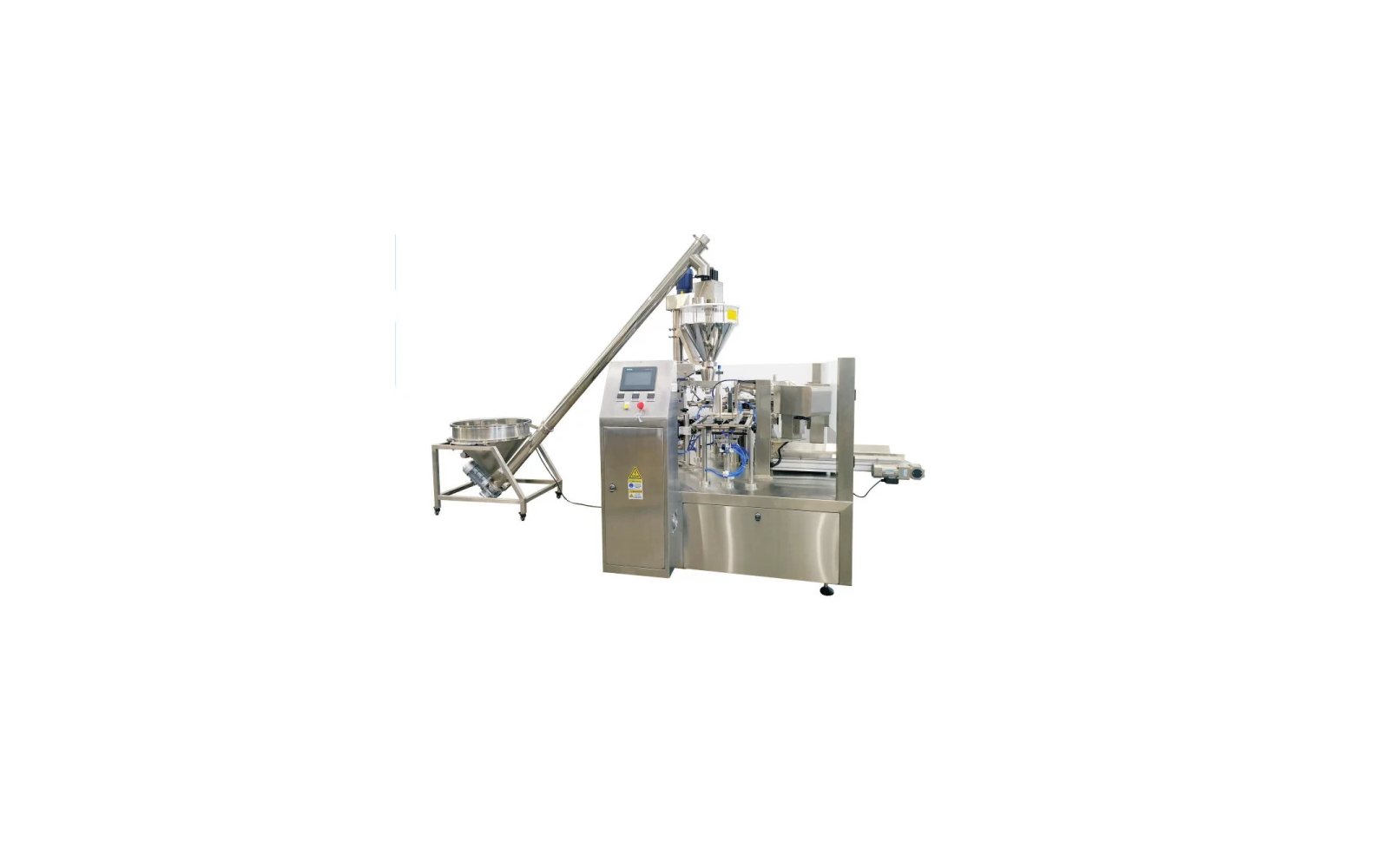
Resolve Four Connected Decisions Before Quotation
Selection logic and configuration boundary
- 01 / ProductDefine behavior at the metering interface.Record flow, temperature, dust, fragility, bulk density where relevant, refill method and representative product variation.
- 02 / Dose and packKeep target, container and material together.Confirm nominal dose, tolerance, pack dimensions, film or pouch structure, closure, code, label and presentation requirements.
- 03 / Seal and verifySet an observable package acceptance rule.Define sealing conditions, contamination risk, leak or closure checks, weight or inspection limits, reject behavior and records.
- 04 / Line interfaceBalance every upstream and downstream handoff.Release infeed, refill, elevation, buffering, discharge, accumulation, guarding, utilities, controls, data and responsible parties.
Four decisions should be resolved before a quotation is meaningful. First, the dosing principle: piston, gravity, vacuum, mass-flow or net-weight filling changes accuracy, foam control and cleaning effort. Second, the closure technology and its validation, because a cap that is cross-threaded or under-torqued becomes a recall risk. Third, changeover: how many parts change, who changes them, and how the line proves a new format is correct. Fourth, control and data: level control, reject signals and batch records.
Each decision feeds the next. A product that foams pushes you toward a filling method that minimises splashing and a slower closing sequence; a line that runs many SKUs per day pushes you toward toolless changeover and recipe storage; a pharmaceutical or baby-food application pushes you toward serialised records and validated cleaning. Lock these four before pricing, or the cheapest quote will quietly omit the capability that made the line workable.
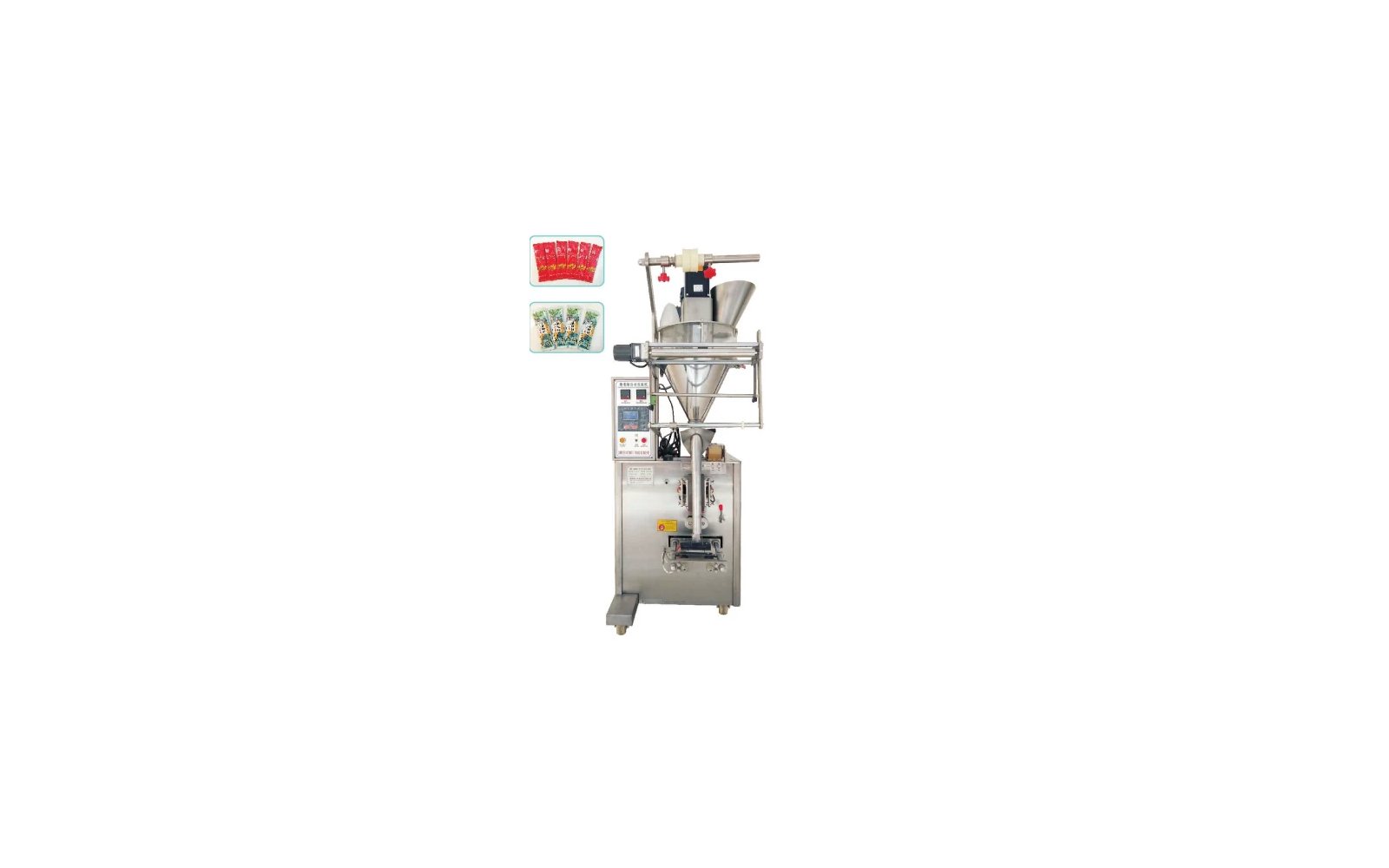
Turn the Catalog Row Into a Testable Project Record
Quality, testing, evidence and acceptance
The acceptance plan should state which catalog values are inspected, which functions are demonstrated, which product measurements are available at the factory and which checks can occur only after installation.
Model row, pack drawing, material, dose basis, layout, utilities, options, interfaces, responsibilities and evidence plan.
Identity, construction, controls, safety, product path, tooling, seal functions, inspection and agreed dry-run records.
Test product and material, refill condition, speed window, dose result, seal or closure result, rejects and declared limits.
Installation, utilities, upstream and downstream balance, product run, recipes, training and closure of open items.
A catalog row is not yet a project record. Convert the selected configuration into something testable: a written acceptance basis that names the product, pack, fill volume, line speed, acceptable fill variation, closure integrity test and the sampling plan. Agree whether acceptance happens at the factory, at the site after installation, or both, and who supplies the product, containers, caps, labels and utilities for the trial.
Ask for a documented factory acceptance test that records setpoints, weights, torque readings and seal checks across a defined run, not a short demonstration under ideal conditions. Site acceptance should repeat the same measurements in your actual environment with your actual operators. Where the line is validated, keep the qualification protocol aligned with the acceptance record so the equipment evidence and the regulatory evidence are the same document rather than two conflicting stories.
Confirm Responsibilities Beyond the Machine Name
Quotation, delivery and support scope
Liquid filling line heads
Select a model to inspect its dimensions, duty and utilities. Compare values within the same family and operating basis.
| Heads | 2 |
|---|---|
| Power | 500 W |
| Air | 0.4-0.6 MPa |
| Speed | 4-16 bottles/min |
| Accuracy | ≤±1% nominal |
| Fill range options | 20-100 / 30-300 / 50-500 / 100-1000 / 500-2000 / 700-3000 / 1000-5000 ml |
| Conveyor | 2 m |
| Heads | 4 |
|---|---|
| Power | 800 W |
| Air | 0.4-0.6 MPa |
| Speed | 8-32 bottles/min |
| Accuracy | ≤±1% nominal |
| Fill range options | Same listed options |
| Conveyor | 2 m |
| Heads | 6 |
|---|---|
| Power | 1000 W |
| Air | 0.4-0.6 MPa |
| Speed | 12-48 bottles/min |
| Accuracy | ≤±1% nominal |
| Fill range options | Same listed options |
| Conveyor | 3 m |
| Heads | 8 |
|---|---|
| Power | 1500 W |
| Air | 0.4-0.6 MPa |
| Speed | 16-64 bottles/min |
| Accuracy | ≤±1% nominal |
| Fill range options | Same listed options |
| Conveyor | 4 m |
Powder and granule bottle fillers
| Duty | Screw powder filler |
|---|---|
| Range | 50-10000 g |
| Speed | 20-40 cans/min |
| Accuracy | ≤±1% nominal |
| Power | 5.3 kW / 380 V |
| Container or hopper | Ø60-135 × H60-260 mm; 50-70 L hopper |
| Air | 6 kg/cm²; 0.3 m³/min |
| Envelope | 3000×850×2050 mm |
| Weight | 550 kg |
| Duty | Granule bottling |
|---|---|
| Range | 50-1000 g |
| Speed | 1200-2500 bottles/h |
| Accuracy | ±1% nominal |
| Power | 220/380 V / 3 kW |
| Container or hopper | 2 L hopper |
| Air | Project interface |
| Envelope | 1360×750×2150 mm |
| Weight | 280 kg |
Standalone liquid and viscous fillers
| Range | Project-selected liquid range |
|---|---|
| Speed | ≤4500 bottles/h |
| Accuracy | ≤±1% nominal |
| Supply | 220 V |
| Air | 6-8 kg/cm² |
| Heads | 6 |
| Power or envelope | 2 kW |
| Range | 0.5-25 kg |
|---|---|
| Speed | 500-1200 bottles/h |
| Accuracy | <0.5% based on 20 kg nominal |
| Supply | 380 V |
| Air | 0.4-0.6 MPa |
| Heads | 1 or 2 |
| Power or envelope | 800×800×1700 mm |
| Range | 5-100 / 10-280 / 20-500 / 100-1000 / 500-2800 / 1000-5000 ml options |
|---|---|
| Speed | 20-60 bottles/h nominal |
| Accuracy | ≤±1% nominal |
| Supply | AC220 V 50 Hz |
| Air | 0.4-0.6 MPa |
| Heads | 1 or 2 |
| Power or envelope | 1100×350×750 mm; 50 kg |
Closure and labeling references
| Duty | Automatic can sealing |
|---|---|
| Speed | 30-40 cans/min |
| Container range | Height 80-220 mm; diameter 35-100 mm |
| Accuracy or stations | Eight stations |
| Power | 1.4 kW / 220 V |
| Envelope | 3000×900×1800 mm |
| Weight | 550 kg |
| Duty | Round-bottle labeling |
|---|---|
| Speed | 0-50 bottles/min |
| Container range | Diameter 20-100 mm; label L20-200 × W10-100 mm |
| Accuracy or stations | ≤±1 mm label accuracy |
| Power | 0.5 kW / 220 V |
| Envelope | 1800×900×1400 mm |
| Weight | 250 kg |
| HDF-G2T — Liquid filling line heads | Heads: 2; Power: 500 W; Air: 0.4-0.6 MPa; Speed: 4-16 bottles/min; Accuracy: ≤±1% catalog reference; Fill range options: 20-100 / 30-300 / 50-500 / 100-1000 / 500-2000 / 700-3000 / 1000-5000 ml; Conveyor: 2 m Catalog reference; PDF pp.6-8, 11, 16-17; printed pp.6-11, 16-17, 27-28 |
|---|---|
| HDF-G4T — Liquid filling line heads | Heads: 4; Power: 800 W; Air: 0.4-0.6 MPa; Speed: 8-32 bottles/min; Accuracy: ≤±1% catalog reference; Fill range options: Same catalog options; Conveyor: 2 m Catalog reference; PDF pp.6-8, 11, 16-17; printed pp.6-11, 16-17, 27-28 |
| HDF-G6T — Liquid filling line heads | Heads: 6; Power: 1000 W; Air: 0.4-0.6 MPa; Speed: 12-48 bottles/min; Accuracy: ≤±1% catalog reference; Fill range options: Same catalog options; Conveyor: 3 m Catalog reference; PDF pp.6-8, 11, 16-17; printed pp.6-11, 16-17, 27-28 |
| HDF-G8T — Liquid filling line heads | Heads: 8; Power: 1500 W; Air: 0.4-0.6 MPa; Speed: 16-64 bottles/min; Accuracy: ≤±1% catalog reference; Fill range options: Same catalog options; Conveyor: 4 m Catalog reference; PDF pp.6-8, 11, 16-17; printed pp.6-11, 16-17, 27-28 |
| HDF-F01ATX — Powder and granule bottle fillers | Duty: Screw powder filler; Range: 50-10000 g; Speed: 20-40 cans/min; Accuracy: ≤±1% catalog reference; Power: 5.3 kW / 380 V; Container or hopper: Ø60-135 × H60-260 mm; 50-70 L hopper; Air: 6 kg/cm²; 0.3 m³/min; Envelope: 3000×850×2050 mm; Weight: 550 kg Catalog reference; PDF pp.6-8, 11, 16-17; printed pp.6-11, 16-17, 27-28 |
| HDF-C06 — Powder and granule bottle fillers | Duty: Granule bottling; Range: 50-1000 g; Speed: 1200-2500 bottles/h; Accuracy: ±1% catalog reference; Power: 220/380 V / 3 kW; Container or hopper: 2 L hopper; Air: Project interface; Envelope: 1360×750×2150 mm; Weight: 280 kg Catalog reference; PDF pp.6-8, 11, 16-17; printed pp.6-11, 16-17, 27-28 |
| HDF-G06 — Standalone liquid and viscous fillers | Range: Project-selected liquid range; Speed: ≤4500 bottles/h; Accuracy: ≤±1% catalog reference; Supply: 220 V; Air: 6-8 kg/cm²; Heads: 6; Power or envelope: 2 kW Catalog reference; PDF pp.6-8, 11, 16-17; printed pp.6-11, 16-17, 27-28 |
| HDF-G07 — Standalone liquid and viscous fillers | Range: 0.5-25 kg; Speed: 500-1200 bottles/h; Accuracy: <0.5% based on 20 kg catalog reference; Supply: 380 V; Air: 0.4-0.6 MPa; Heads: 1 or 2; Power or envelope: 800×800×1700 mm Catalog reference; PDF pp.6-8, 11, 16-17; printed pp.6-11, 16-17, 27-28 |
| HDF-G05 — Standalone liquid and viscous fillers | Range: 5-100 / 10-280 / 20-500 / 100-1000 / 500-2800 / 1000-5000 ml options; Speed: 20-60 bottles/h catalog row; Accuracy: ≤±1% catalog reference; Supply: AC220 V 50 Hz; Air: 0.4-0.6 MPa; Heads: 1 or 2; Power or envelope: 1100×350×750 mm; 50 kg Catalog reference; PDF pp.6-8, 11, 16-17; printed pp.6-11, 16-17, 27-28 |
| HDF-FGJ100 — Closure and labeling references | Duty: Automatic can sealing; Speed: 30-40 cans/min; Container range: Height 80-220 mm; diameter 35-100 mm; Accuracy or stations: Eight stations; Power: 1.4 kW / 220 V; Envelope: 3000×900×1800 mm; Weight: 550 kg Catalog reference; PDF pp.6-8, 11, 16-17; printed pp.6-11, 16-17, 27-28 |
| HDF-TB05 — Closure and labeling references | Duty: Round-bottle labeling; Speed: 0-50 bottles/min; Container range: Diameter 20-100 mm; label L20-200 × W10-100 mm; Accuracy or stations: ≤±1 mm label accuracy; Power: 0.5 kW / 220 V; Envelope: 1800×900×1400 mm; Weight: 250 kg Catalog reference; PDF pp.6-8, 11, 16-17; printed pp.6-11, 16-17, 27-28 |
Frequently asked questions
How should the Bottle Filling and Packaging Lines catalog values be used?
Does a catalog capacity guarantee net production output?
Which inputs are required before model selection?
How are testing and acceptance defined?
Which commercial items remain project-specific?
The machine name only covers part of the project. Confirm who supplies compressed air and its quality, electrical power and earthing, water and drainage, product and container feed systems, extraction for cleaning vapour, and the conveyors that join the filler to the rest of the factory. These utilities are often the most common source of delay because they cross supplier boundaries.
Write the responsibilities into the quotation scope and the layout, not into an email thread. Include who is responsible for guarding, CE or local compliance marking, operator training, spare parts, and the first maintenance interval. When every boundary is named, the buyer can compare quotations fairly and the commissioning plan can be scheduled without discovering, on day one, that nobody ordered the air receiver.
Related pages
Chili Sauce Production Line
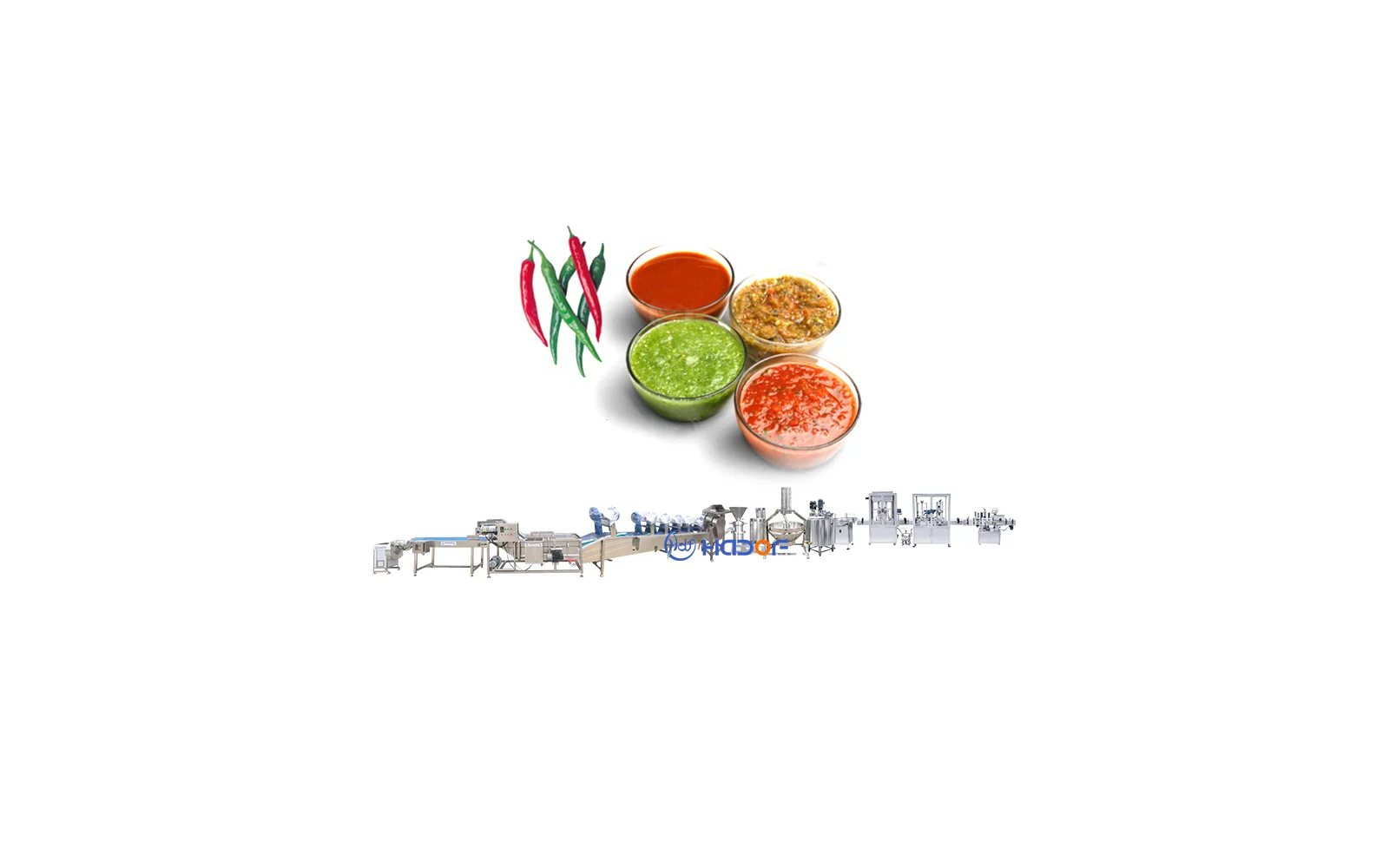
Define chili receiving, washing, particle development, cooking, holding, filling and cleaning duties from the approved recipe and package.
200 kg/h Chili Sauce Production Line
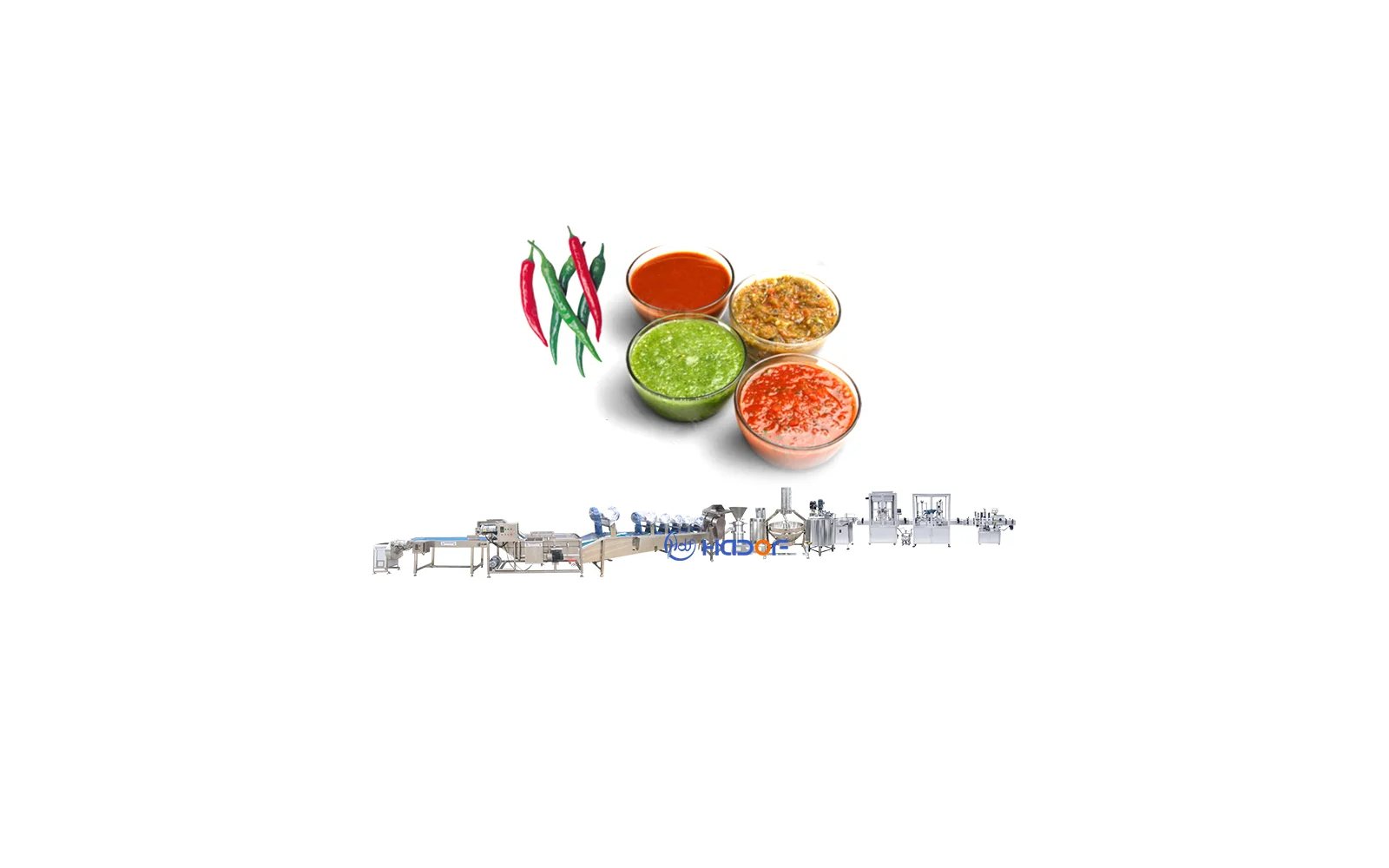
Review the verified basis of a recorded Tanzania 200 kg/h chili sauce line transaction without unverified equipment or performance claims.
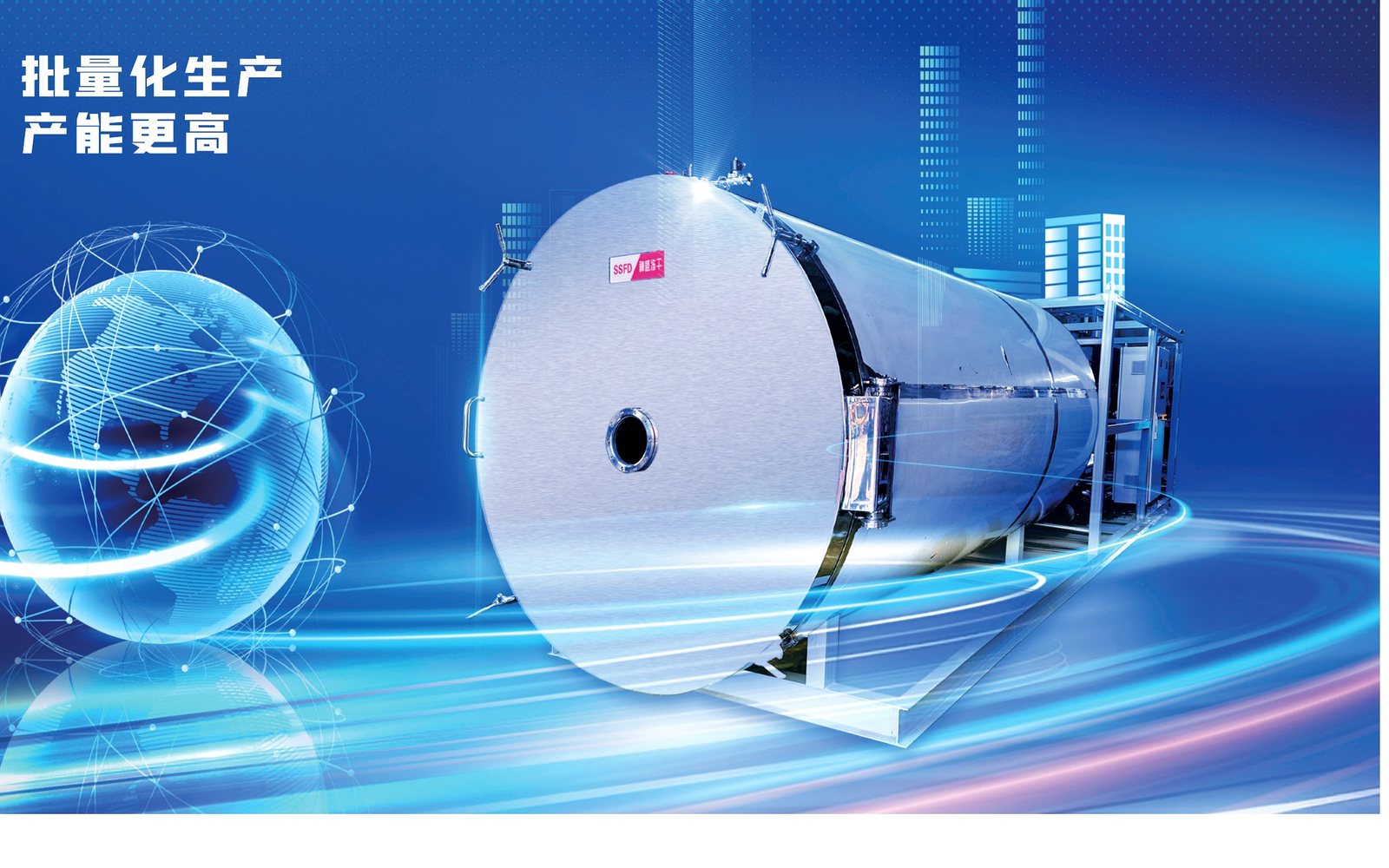
Pharmaceutical & Biotech Freeze Drying
Plan lyophilization for peptides, vaccines and sterile injectables: vial formats, capping, sterile boundary and validation evidence on one project basis.
South Africa Food Processing Market
Documented South Africa food processing demand: maize meal, chicken, juice and wine lines with SABS/NRCS compliance and entry requirements.
Concentrated Tomato Paste Line
Configure tomato washing, crushing, pulping, vacuum concentration, filling and sterilization into a paste line.