
Vegetable Cutting Machine
Review the process, equipment duties and project boundary from one defined basis.
Choose the Cutting Principle From the Food
The same output target can require different feed control, knife geometry and discharge handling. Switch the routes to see the selection input and the risk that must be tested.
Control orientation, firmness and target thickness.
Bulb and mixed-format route
Use a model family that supports the required tool changes.
Synchronize conveyor feed with knife speed.
Connected production route
Protect the cut result after it leaves the blade.
Verified Hadof model values
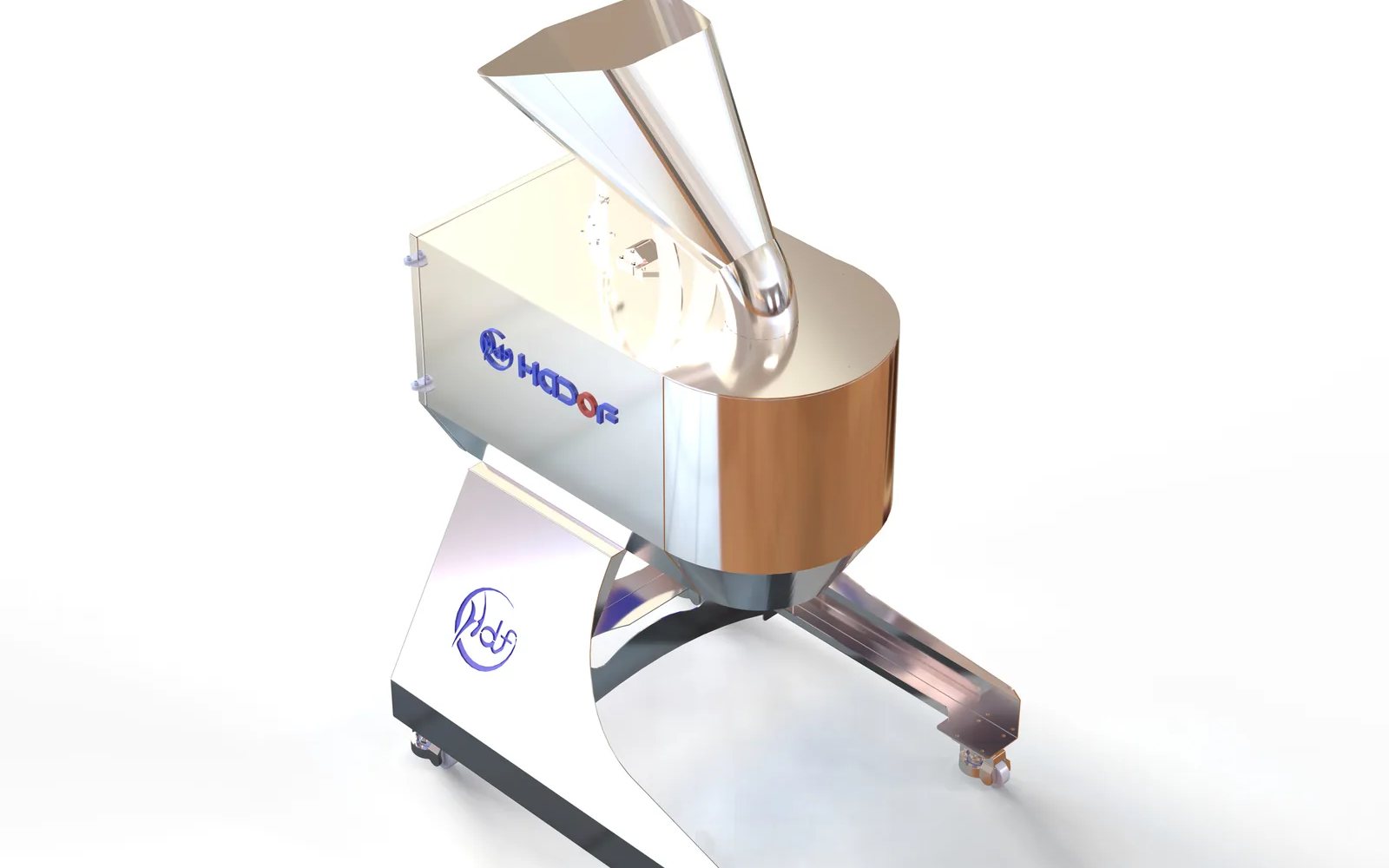
Choose the cutting principle from the food, not from a catalog of blades. Record the vegetable, its size and shape, its firmness and moisture, and the cut you must produce: dice, strip, slice, shred or a specialty shape. A firm carrot can be pushed through a centrifugal slicer, while a soft, ripe tomato needs a different action, and a leafy vegetable is another case entirely.
Then record the damage you can accept. Some cuts must be clean and sharp for appearance; others only need to reduce size before cooking, where slight tearing is invisible. The product's fibre direction, its temperature and its pre-treatment all change how it cuts, so the cutting principle must be tested with representative material before a model is fixed.
Record the fibre direction and the pre-treatment as well as the firmness, because the same blade action can slice one vegetable cleanly and tear another.
Compare Models by Duty, Not by One Number
These are published starting points from published Hadof model specifications. Output, cut range and dimensions belong to the named reference and must be reconfirmed with the current quotation and representative product.
301
Dimensions / weight1230 x 920 x 1770 mm / 125 kg
Published cut reference2-4 mm slices or 3 x 3 mm shreds
Selection gateRoot crop size, orientation and accepted cut distribution
680
Dimensions / weight800 x 490 x 960 mm / 80 kg
Published cut reference2-6 mm slices or shreds; 8-30 mm dice options
Selection gateTool set, product geometry and changeover plan
580
Dimensions / weight620 x 440 x 720 mm / 58 kg
Published dice reference8 / 10 / 15 / 20 / 25 mm
Selection gateFeed preparation, dice tolerance and product loss
802 / 803
Published dimensions802: 850 x 580 x 1140 mm; 803: 730 x 560 x 910 mm
Published cut reference1-40 mm adjustable leafy-vegetable length
Selection gateLeaf density, belt feed and required segment length
hdf-280A / hdf-230 / hdf-280
Published power0.75 kW / 180 W / 1.5 kW
Published weight56 / 12 / 43 kg
Use caseLower-volume root and bulb slicing or shredding duties
Selection gateFeed size, operator method and finished geometry
Compare cutting machines by the duty they perform, not by a single capacity figure. A published throughput for soft potatoes in a large dice says little about slicing a hard carrot into thin rounds or shredding cabbage. Convert each model's output to the actual cut size, product and yield you need, and include the labour around the machine in the comparison.
Normalise what the capacity figure includes. Does it count the cutting time only, or the full cycle with loading, cleaning and blade changes? Does it assume pre-trimmed product or whole vegetables? Asking these questions exposes the difference between a machine that cuts fast in a demonstration and one that can hold its rate through a production shift with real raw material.
The Cut Specification Changes the Whole Line
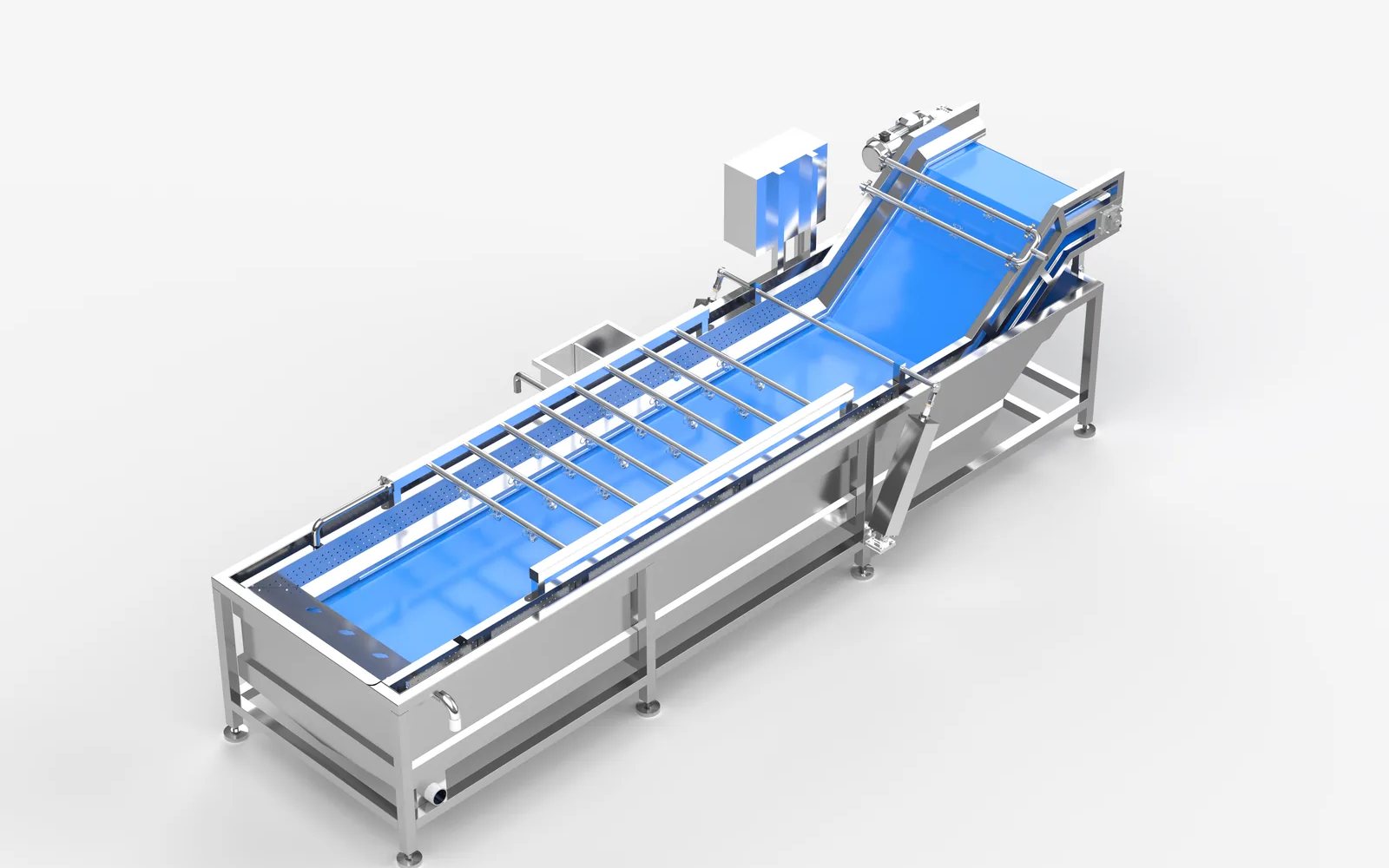
A smaller or more exact format affects tool choice, feed preparation, downstream water retention, thermal loading and packaging behavior. Treat the cutter as one controlled handoff.
- 01PrepareTrim, wash and orient the crop
- 02FeedControl loading and compression
- 03CutApply the approved tool set
- 04InspectMeasure distribution and damage
- 05TransferLimit drops and accumulation
- 06Hand offMatch wash, cook, dry or pack duty
Test and acceptance basis
The cut specification ripples through the whole line. A larger dice cooks and freezes differently from a thin slice, the washing and dewatering stages must match the cut's fragility, and the downstream fryer or freezer must be sized for the cut's surface area and moisture release. Change the cut and you have changed the thermal and mechanical duty of every stage around it.
Fix the finished cut early and write it down with tolerances. State the dimensions, the allowable variation, and the maximum percentage of fines, broken pieces or off-size product the line may produce. This one specification is what the cutter, the inspection equipment and the downstream process can all be held to, and it prevents the argument about whether the cutter did its job.
Write the fines limit and the off-size allowance into the specification, because those numbers are what the inspection stage and the downstream process will be held to.
Approve the Product Result Before Freezing the Configuration
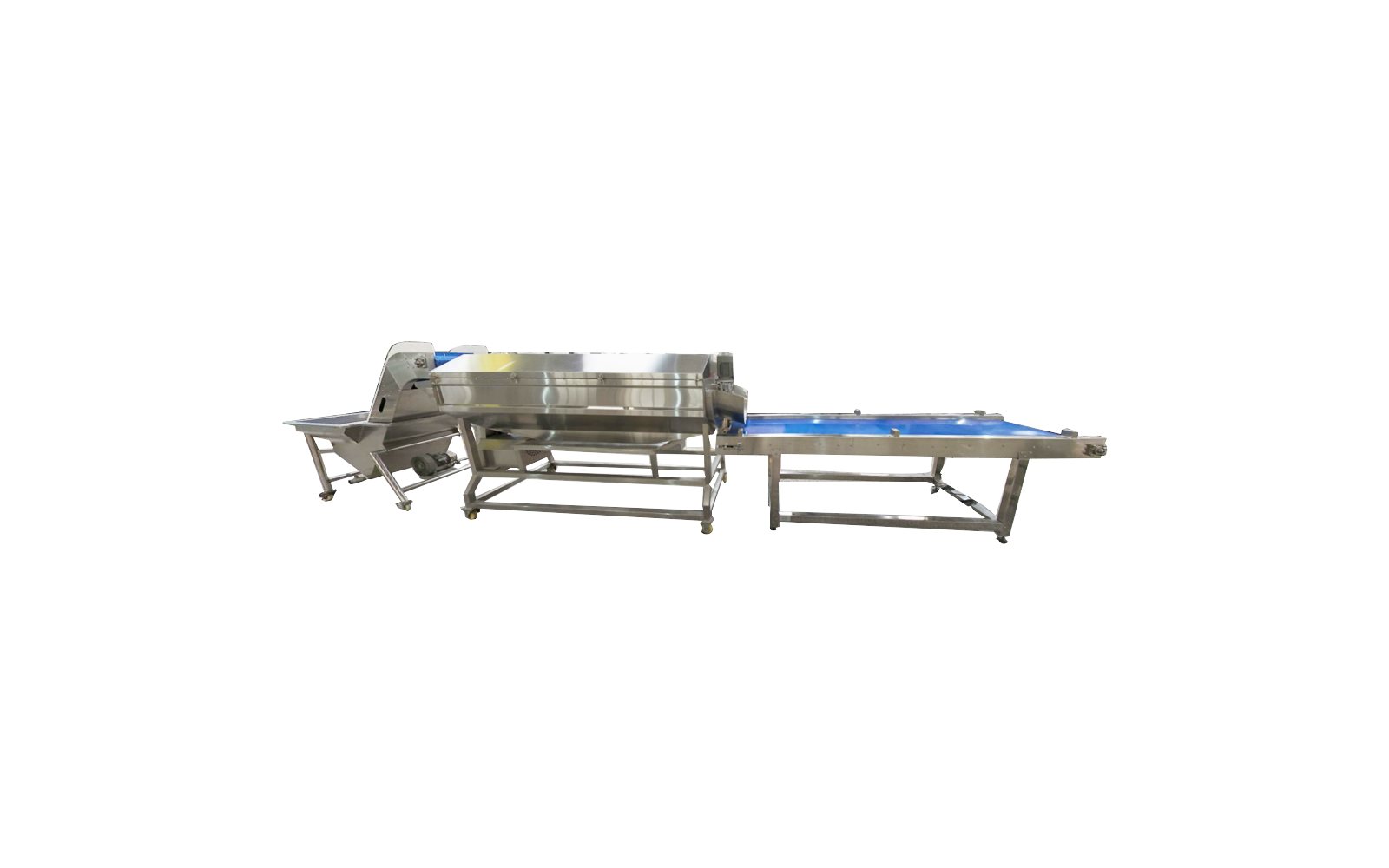
Use representative material and the intended upstream condition. Record the tool set, feed method and observed cut so a later quotation, FAT plan and commissioning check refer to the same basis.
| Sample record | Crop, size distribution, firmness, temperature and preparation state |
|---|---|
| Cut review | Nominal size, distribution, surface quality, breakage and fines |
| Operating review | Feed continuity, blockage, retained product and changeover time |
| Support scope | Tooling, spares, manuals, installation guidance and commissioning responsibility |
Approve the product result before freezing the machine configuration. Send representative raw material, state the required cut and the acceptable fines, and run a cutting trial that is sampled and measured rather than looked at. A trial photograph is useful, but a sieve analysis of the cut and a count of broken pieces is the evidence that the cutter meets the specification.
Test the difficult cases, not just the easy ones. Include the smallest and softest vegetables in the range, the material at the start and end of a shift, and the pre-trimmed condition you will actually feed. If the cutter only performs on ideal material, the line will lose yield every time the raw material varies, and that variation is the normal condition in a real factory.
Keep Model Data, Quotation Scope and FAQ Together
The quotation should name the model, tool set, product basis, electrical supply, guards, feed and discharge scope, documentation, packing, delivery, installation support and acceptance responsibility.
Configure the cutting duty
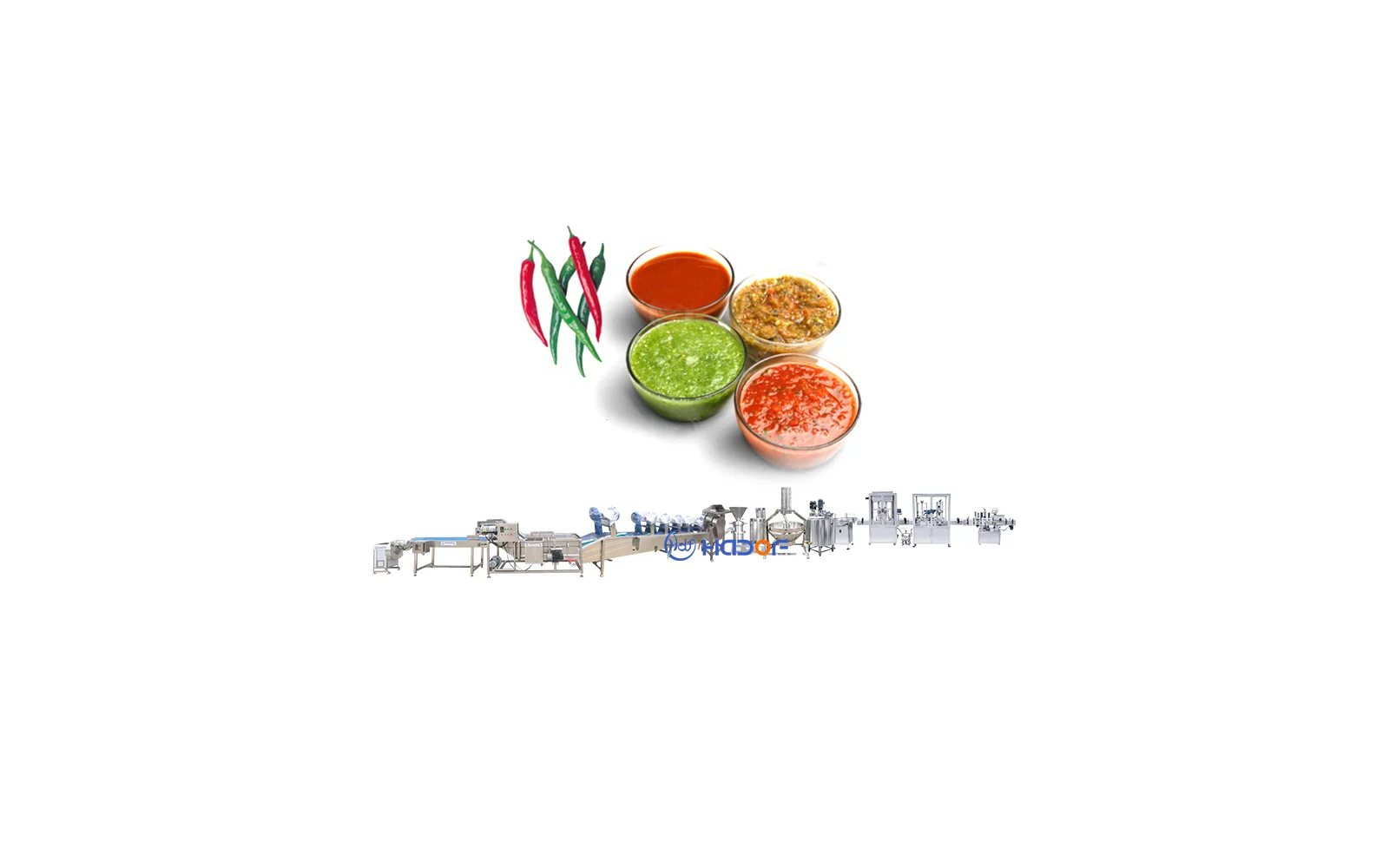
Keep the model data, the quotation scope and the FAQ in one place so the decision does not drift. The catalog row tells you the reference capacity and power; the quotation tells you what is actually included; the FAQ answers the practical questions about cleaning, blade life and changeover. When these are read together, the buyer can see what is claimed and what is excluded.
Use the model data as a starting point, not a commitment. Confirm the power supply, the blade sets included, the spare cutters, and whether the price covers installation, training and the first service. A cutting machine is cheap to buy and expensive to run if the blades are not included or the cleaning time was not counted, so the scope is part of the equipment decision.
Confirm the blade sets and spare cutters included in the price, since cutter life and sharpening are recurring costs that decide the machine's true cost long after the purchase.
Confirm the blade sets and spares in the price, because cutter life is a recurring cost that outlives the invoice.
Send the Product and Finished-Cut Specification
Include representative photos or samples, size distribution, target cut, hourly requirement, operating hours, upstream condition and the next process.
- Product evidenceCrop, dimensions, firmness, temperature and preparation state
- Finished resultSlice, shred, dice or segment size plus tolerance
- Production planRequired output, shifts, batches and changeovers
- Factory basisFeed height, discharge, power, footprint and cleaning access
| High-speed root slicer | 301; published 2000 kg/h reference |
|---|---|
| Bulb and root cutters | 680 / 580; published 200-800 kg/h range |
| Leafy vegetable cutters | 802 / 803; published 1-40 mm cut-length reference |
| Selection basis | Crop, prepared state, finished geometry, tool set, feed method and downstream duty |
Frequently asked questions
Which inputs determine the vegetable cutter model and tool set?
Does a catalog cutter output apply to every vegetable and cut size?
How should cut quality be evaluated?
What line interfaces must be confirmed around a cutter?
Can tooling and changeover scope be included in the quotation?
Before requesting a model, send the product and the finished-cut specification together. Name the vegetable and variety, the size range, the temperature and condition at cutting, the required cut and tolerance, the hourly output, and the percentage of fines or damage you accept. This single input set lets the supplier select the cutting principle and the cutter head instead of guessing.
Include the production pattern too. A kitchen that cuts a few kilograms of several vegetables a day needs easy cleaning and quick changeover more than raw speed, while a continuous fry line needs a cutter that can feed the fryer for hours without wearing out blades. The product and the finished cut define the duty; the production pattern defines which duty matters most.
Related pages
Vegetable Processing Line
Configure root, leafy or mixed vegetable preparation around product risks, washing and cutting duties, water, factory interfaces and acceptance.
Potato Chips Production Line
Define the potato, finished chip and factory boundary before connecting preparation, frying, seasoning and packaging feed.
Frozen French Fries Production Line
Review potato preparation, strip conditioning, pre-frying, cooling, IQF freezing, equipment references and factory interfaces as one line.
Garlic Separation, Peeling and Vacuum Packing Line
Review a verified Jordan garlic preparation scope from feeding and clove separation through peeling, inspection and vacuum packing.
Central Kitchen Processing Solution
Plan central kitchen preparation zones, peak-hour capacity, batch cooking duties, utilities and dispatch interfaces from one menu and facility basis.
Fruit & Vegetable Processing Systems
Configure washing, peeling, cutting, thermal preparation, freezing or sauce processing around crop condition and finished-product requirements.