
Evidence Without Hidden Assumptions.
See what the source confirms, what remains private and what must be defined for the next project.
Read Each Case in Four Layers
Each case separates confirmed project context from the engineering decisions and project-specific details a new buyer must define.
Confirmed project context
Destination, buyer type, product application, supply category and stated capacity when documented.
Relevant engineering questions
Process duties and interfaces that help a buyer prepare a comparable technical review.
Customer privacy boundary
Identity, private contacts and commercial details remain protected.
Project-specific decisions
Models, utilities, testing and operating targets must be confirmed for the new product and factory.
Documented project context
Every project case is read in four layers: the confirmed context, the engineering questions it raises, the privacy boundary and the decisions that remain project-specific. Reading all four keeps a reference useful without turning it into a promise that the record cannot support.
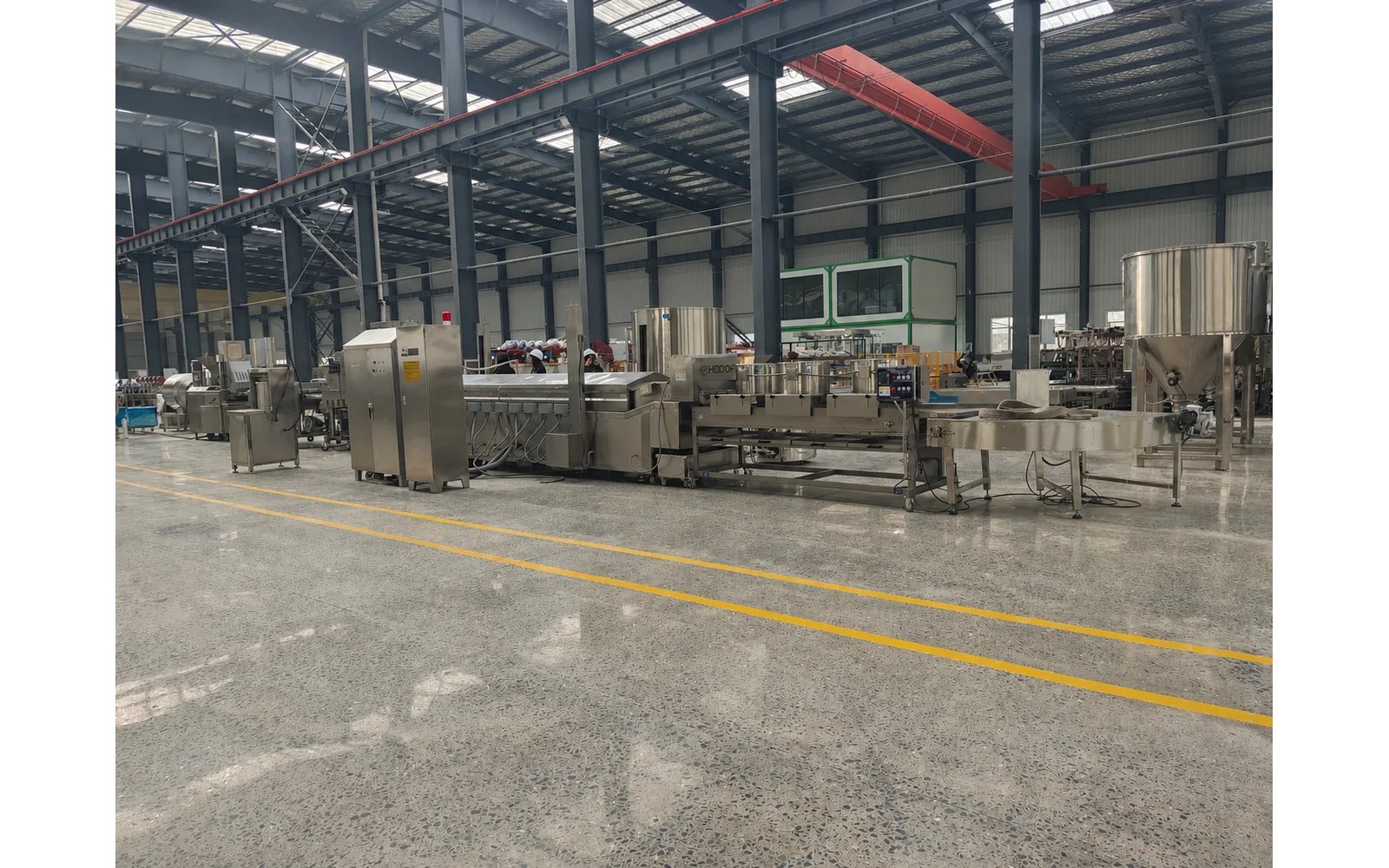
Hadof Project Reference Records
Fried Snack Processing Line
Recorded project category: fried snack processing line.
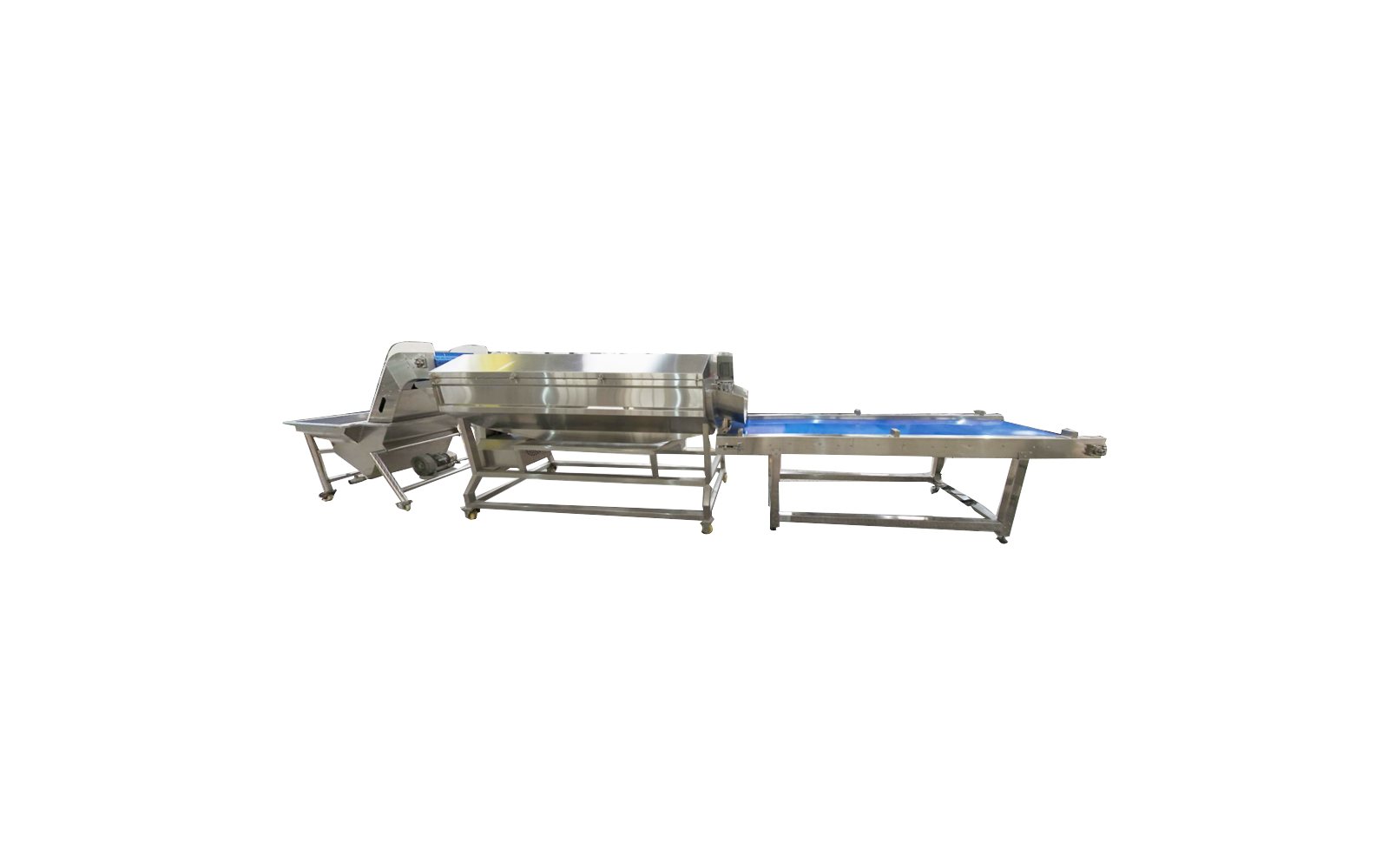
Vegetable Washing and Drying Line
Recorded supply category connects vegetable washing and drying duties.
Garlic Processing and Packing Line
Recorded project category: garlic processing and packing line.
Continuous Fryer and Oil Filter
Recorded scope includes a continuous frying machine and oil-filtering machine.
Chicken Nugget Frying Line
Recorded product application: chicken nuggets; supply category: frying production line.
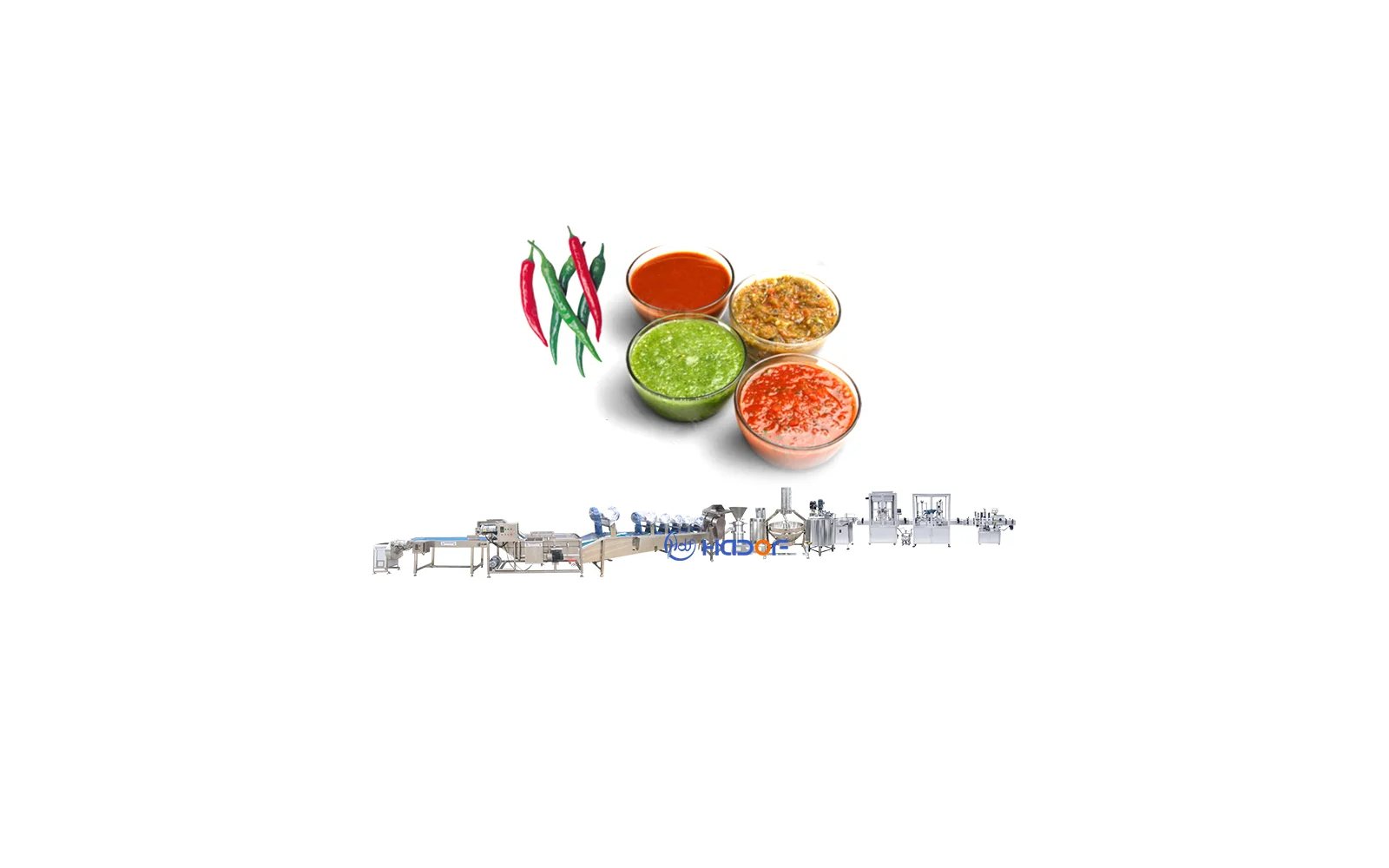
200 kg/h Chili Sauce Line
Recorded product category and stated capacity: chili sauce line, 200 kg/h.
The reference records cover frying, washing and drying, garlic packing, oil filtration, chicken nuggets and chili sauce lines. Each record names the duties that were supplied and the boundary of what the source verifies, so a buyer can compare duties instead of titles.
Use a Case to Frame Questions, Not Copy a Configuration
A reference scope can identify relevant process duties and review risks. It cannot establish the model, output, utility demand or finished result for another food and factory.
Match the product condition
Compare raw material, geometry, coating, feed temperature and finished state before treating a project as relevant.
Match the process boundary
Check whether the recorded scope covers preparation, transformation, stabilization, transfer and packaging or only one duty.
Rebuild the factory basis
Review utilities, room dimensions, access, drainage, ventilation, refrigeration and connected equipment for the new site.
Define a new acceptance plan
Agree the representative product, run conditions, observations, records and responsibility before approving performance language.
Buyer comparison checklist
A case frames the questions a buyer should ask: match the product condition, match the process boundary, rebuild the factory basis and define a new acceptance plan. Copying the configuration skips those questions and applies another buyer's answer to a different product.

Check What a Case Can Support Before Comparing It
A useful case comparison starts with the documented scope, then rebuilds the product, factory and acceptance basis for the new project.
- 01ApplicationMatch product and finished condition
- 02Supplied scopeIdentify recorded equipment duties
- 03Open detailsList models, utilities and results
- 04Factory fitCompare layout and interfaces
- 05New targetsDefine output and quality basis
- 06AcceptanceAgree tests for the new project
Discuss a related project
Before comparing a case with the buyer's project, check what the record can actually support. A transaction may verify the destination and the machine list without verifying throughput, product result or acceptance, and the comparison must stay inside that boundary.
Use the Case as Context, Then Define Your Own Basis
A recorded transaction is not a substitute for product and factory review.
- ProductYour raw material and finished target
- OutputYour required rate and schedule
- FactoryYour layout, utilities and destination
- EvidenceYour review and acceptance priorities
Explore this section
Compact Fried Snack Processing and Packing Line
A recorded end-user purchase connecting preparation, batch frying, de-oiling, seasoning and packing, documented without inventing output or operating resul
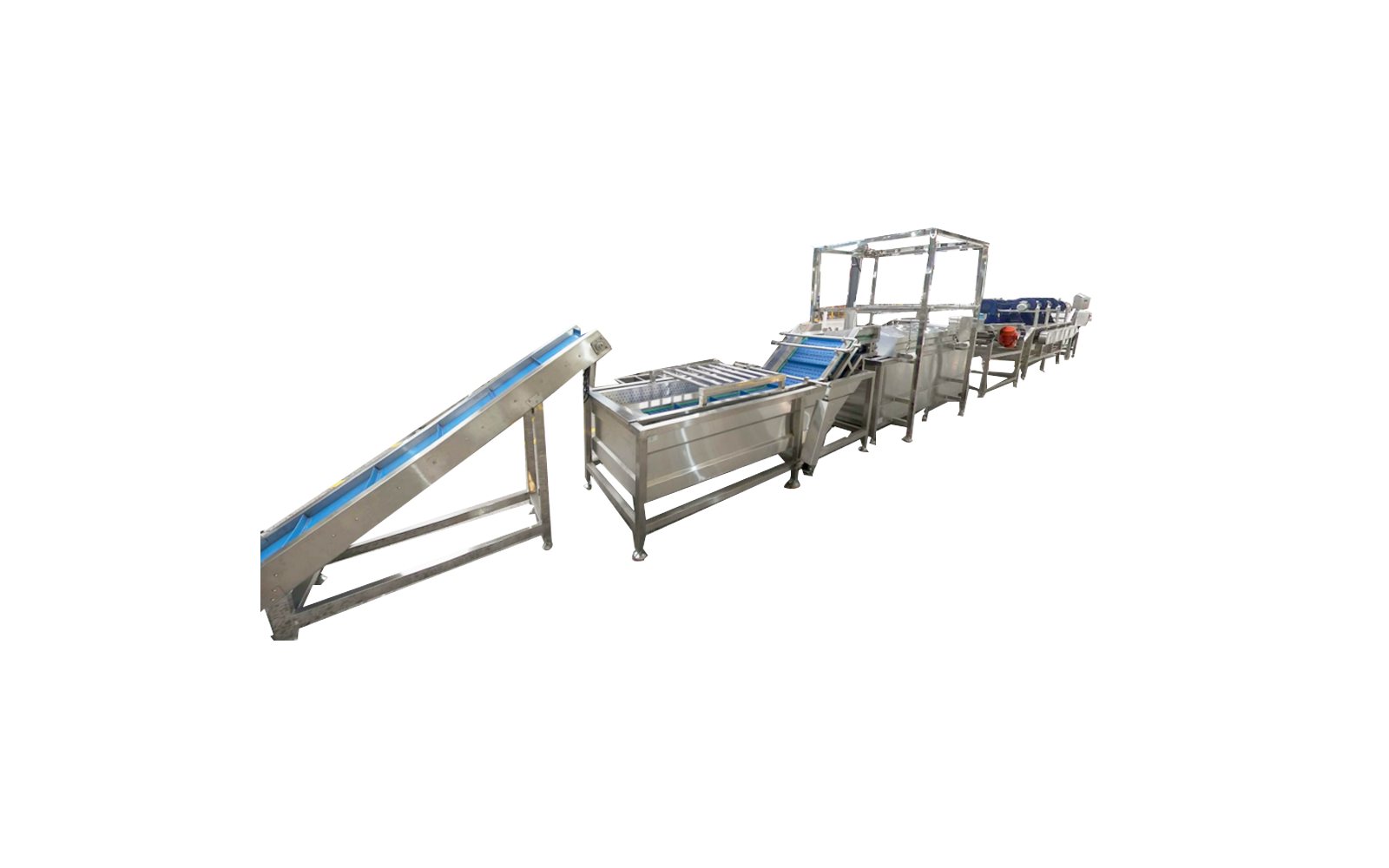
Vegetable Washing, Drying and Sorting Line
Review the verified four-unit scope of a Guatemala vegetable washing, air-drying and sorting project, including evidence limits and buyer inputs.
Garlic Separation, Peeling and Vacuum Packing Line
Review a verified Jordan garlic preparation scope from feeding and clove separation through peeling, inspection and vacuum packing.
Continuous Fryer and Oil-Filtering Project
Review a verified Indonesia supply scope connecting a continuous frying machine with dedicated oil-filtering equipment and evidence limits.
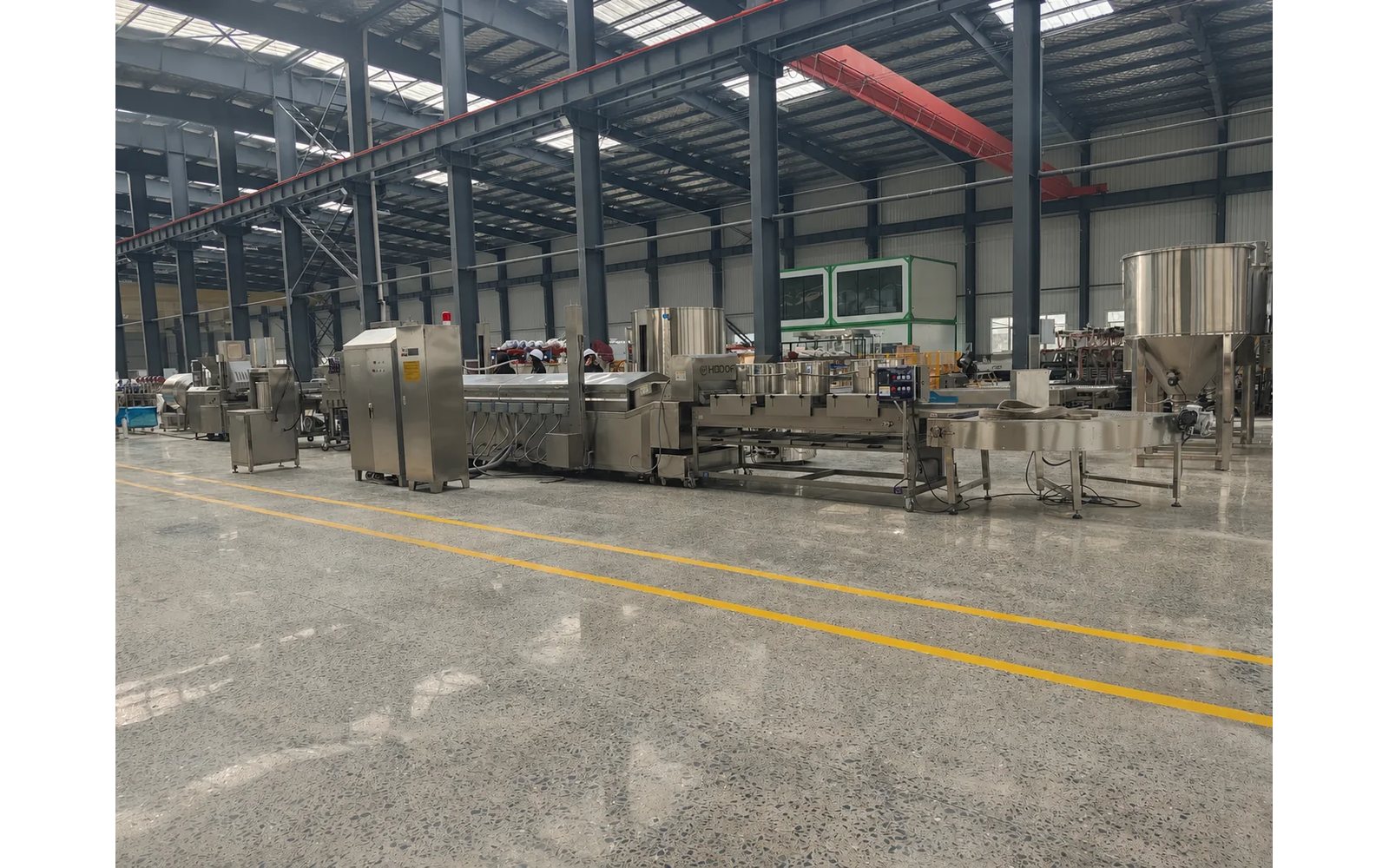
Chicken Nugget Frying Production Line
Review the verified category and explicit evidence limits of an Indonesia chicken-nugget frying production-line transaction.
200 kg/h Chili Sauce Production Line
Review the verified basis of a recorded Tanzania 200 kg/h chili sauce line transaction without unverified equipment or performance claims.
Use the case as context and then define your own basis. The destination, product and acceptance method belong to the current buyer, so the reference supplies orientation while the new project supplies the facts that will be tested and accepted.
All Project references
Every page in this topic, grouped for quick navigation.