
Project context and challenge
Compact Fried Snack Processing and Packing Line
Review the process, equipment duties and project boundary from one defined basis.
Trust and exact scope visibility were material to this purchase.
Project context and challenge
The reviewed Hadof transaction row identifies an individual end user in Haiti and records prior procurement fraud experience as a concern. The source also describes the buyer as price-sensitive, but it does not prove that price was the only selection factor.
Customer identity and private commercial information remain confidential. They are not required to understand the verified procurement scope.
| Procurement goal | Purchase a connected preparation, frying, finishing and packing scope for a fried-snack project. |
|---|---|
| Recorded challenge | Reduce trust uncertainty by making the purchased items and commercial boundary explicit. |
| Evidence consequence | This page can document the transaction scope but cannot publish a capacity, commissioning or product-performance result. |
Trust and exact scope visibility were material to this purchase, and the record is worth reading for that reason. The buyer committed to a seven-item route, and the transaction makes the scope explicit enough to be verified. For a frying project, where oil, thermal duty and downstream handling are easy to under-specify, that visibility is part of why the purchase could be made with confidence.
The lesson for a current buyer is to demand the same visibility before committing. Every machine in the scope should be named with its duty, and anything not included should be listed as excluded. A quotation that hides its boundaries is not cheaper; it simply postpones the cost of the missing items until commissioning.
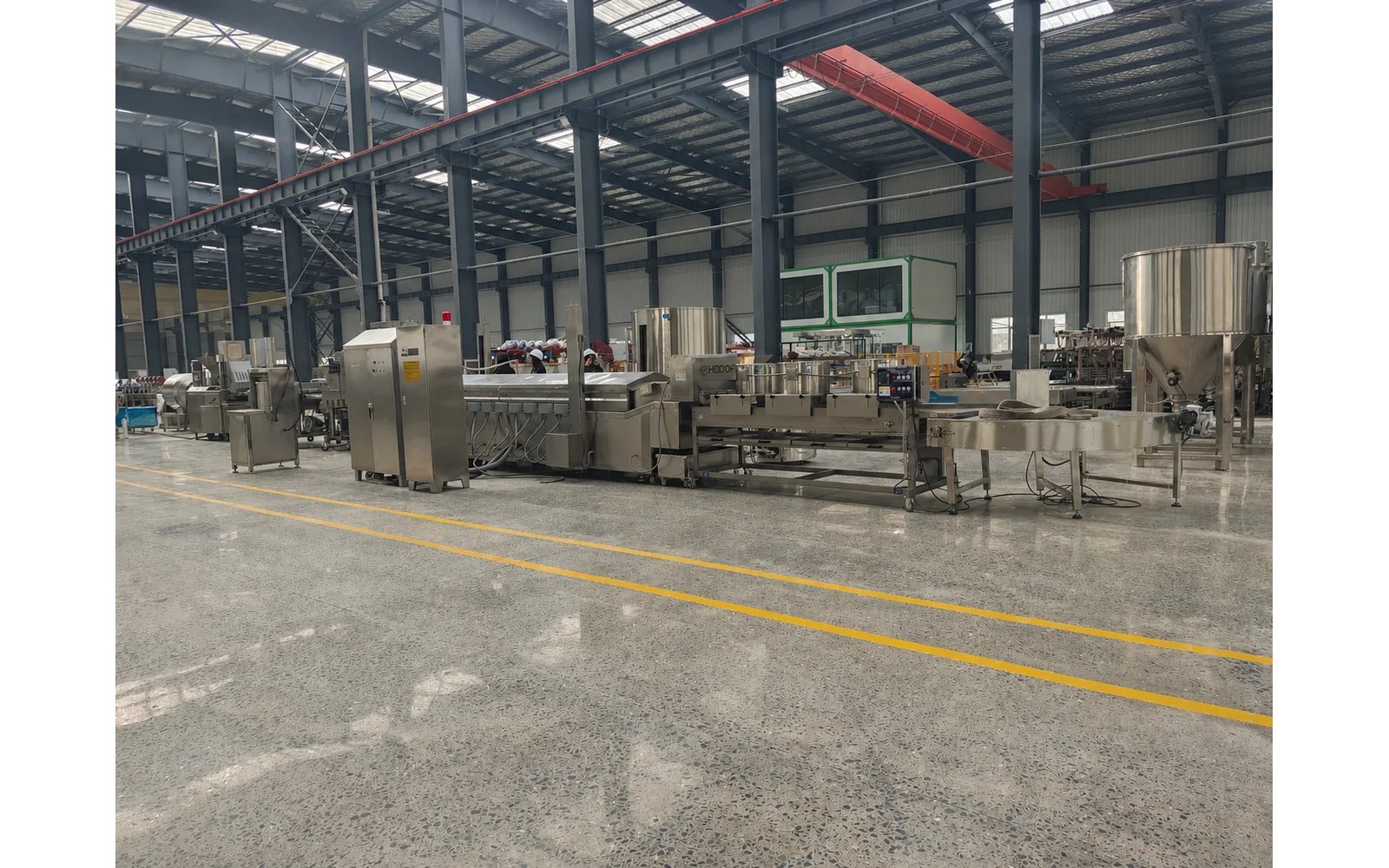
The verified scope covers three connected duties.
Seven recorded supply items
Quantities and item names below follow record HDF79. The process grouping explains function and does not add an unrecorded performance claim.
Recorded preparation scope
Blanch and slice.
- Double-basket electric blancher: 1 unit.
- Down-pressure slicer: 1 unit.
Recorded thermal and finishing scope
Fry, de-oil and season.
- Four-basket electric fryer: 1 unit.
- Simple de-oiling machine: 1 unit.
- Manual single-head seasoning machine: 1 unit.
Weigh, pack and supply film.
- Automatic weighing and packing machine: 1 unit.
- Custom packaging roll film: 500 kg recorded.
The verified scope covers three connected duties: frying, oil handling and the downstream preparation that surrounds them. Reading the seven items as duties rather than as a list is what makes the reference transferable. The fryer is only the centre of the route; the oil system and the preparation stages around it are what make the line run.
For a new project, the exercise is to map the same three duties onto the buyer's product. What must be fried, how the oil must be filtered and turned over, and how the product is prepared and removed all change with the snack, and the seven-item route must be re-derived for each product rather than assumed from the reference.
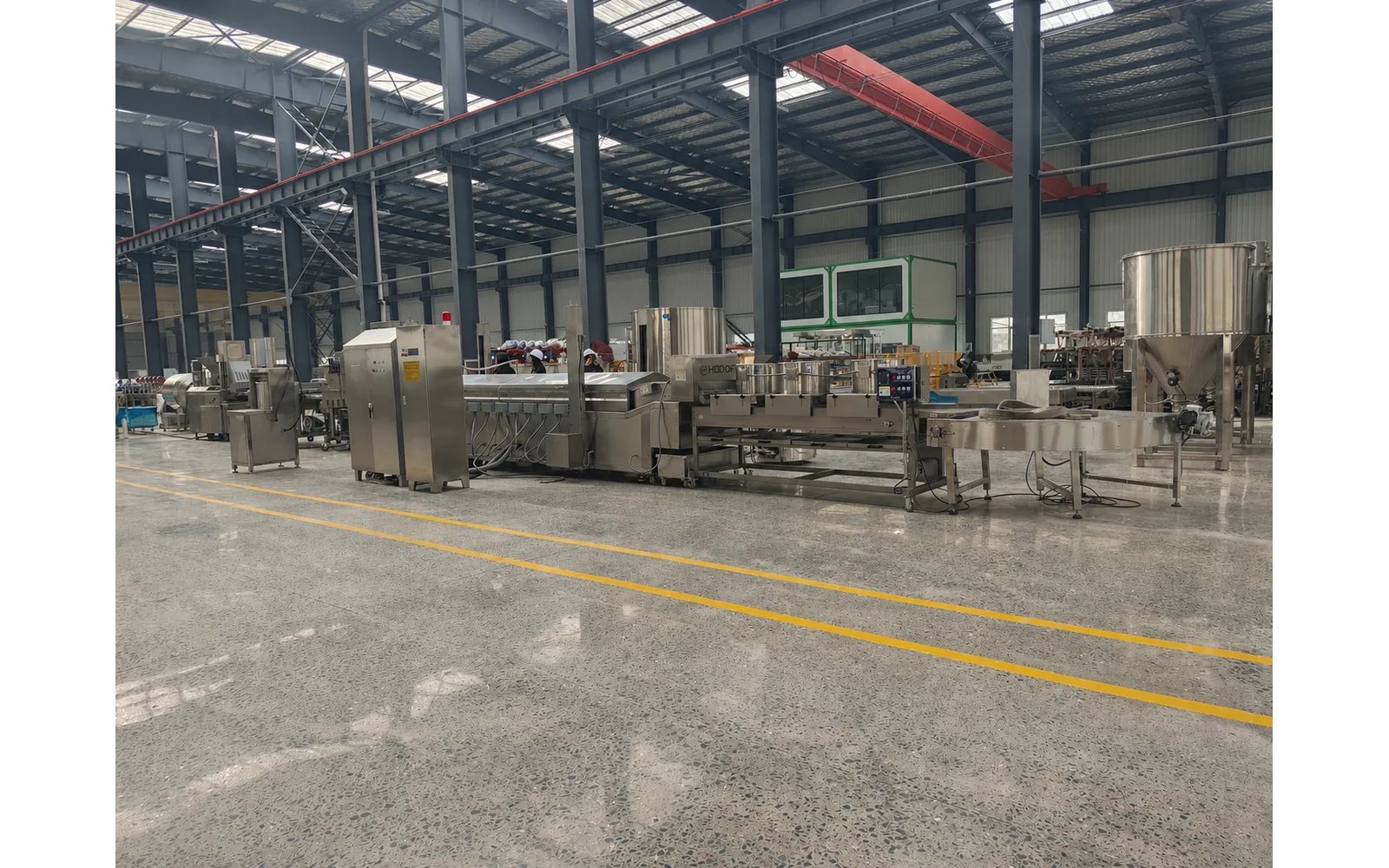
The record proves the combination, not the buyer's full selection rationale.
Supported process logic and rationale boundary
The purchased items form a functional sequence from preparation through packing. HDF79 does not contain a signed engineering explanation of why each model or duty was selected.
Connected sequence
Preparation, frying, finishing and packing duties were purchased together.
Batch frying route
The recorded fryer is a four-basket electric unit rather than a continuous model.
Capacity basis to define
Product, batch mass, cycle time and required net output must be confirmed for a comparable project.
Model comparison required
Compare the batch duty, heating route, oil handling, footprint and downstream handoff before selection.
The record proves the combination, not the buyer's full selection rationale. We can verify that the seven items were purchased together, but we cannot see why those models, capacities or suppliers were chosen, and we cannot see the product specification that drove them. The reference is a combination, not a validated recipe for a snack line.
That boundary protects a current buyer from over-claiming. The original buyer's product, output and site conditions are not in the record, so the combination cannot be assumed to fit a different snack. The right use of the reference is to treat it as one workable combination and then rebuild the reasoning from the new buyer's own product and production plan.
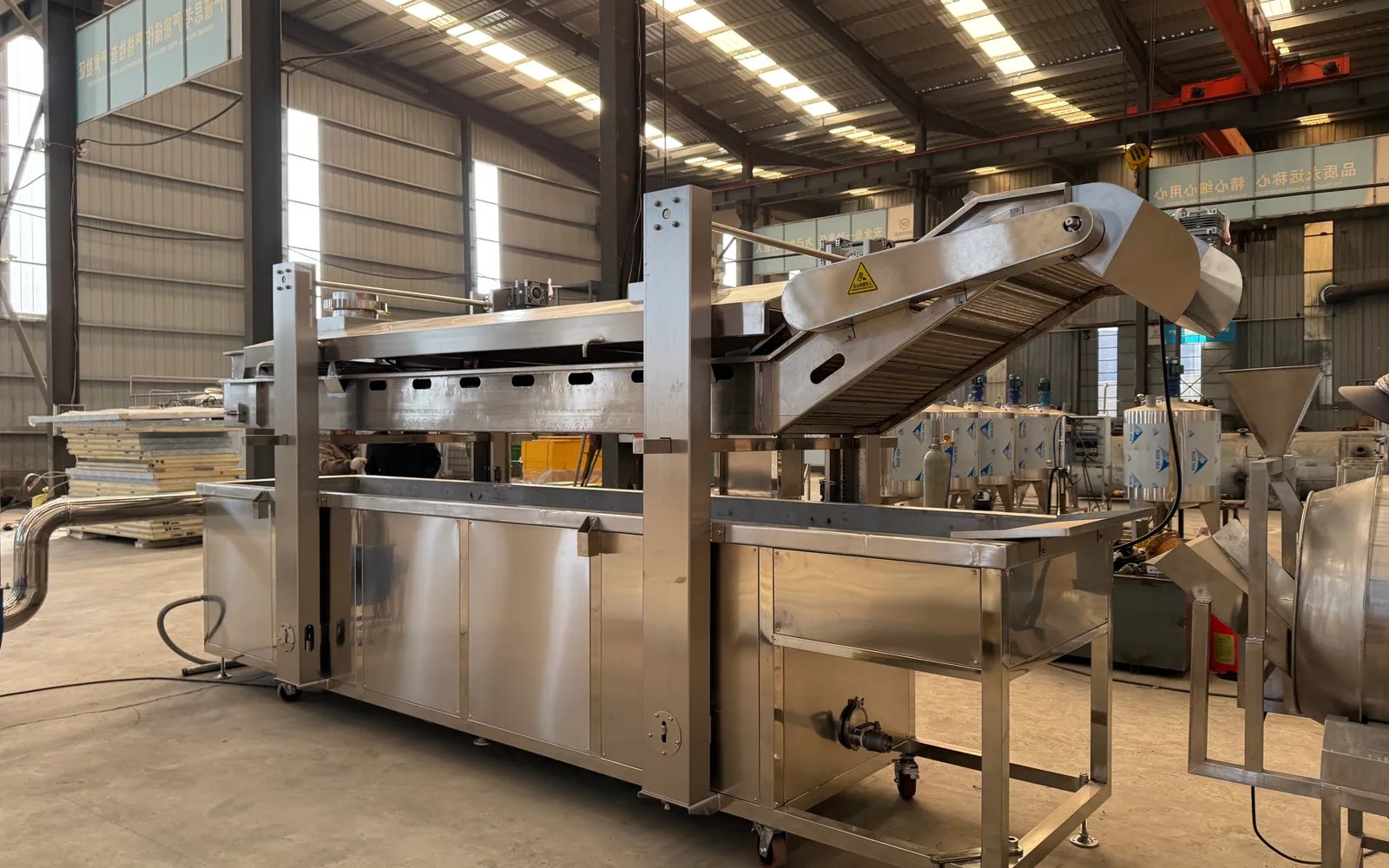
Turn the Recorded Seven-Item Scope Into a Current Delivery Plan
Project handoff points
The example identifies the purchased route. A comparable project still needs its own technical and delivery records.
The project record contains a completed purchase and a seven-item equipment scope.
| Requirement confirmation | Prepare an approved brief with product, output, utilities, layout and acceptance priorities. |
|---|---|
| Scope approval | Confirm models, quantities, options, interfaces, inclusions and exclusions in the current schedule. |
| Quality review and FAT | Define inspection method, test product, duration, records, deviations and sign-off ownership. |
| Packing, shipping and handoff | Agree packing, shipping, site readiness, installation support and commissioning responsibilities. |
Turn the recorded seven-item scope into a current delivery plan by re-deriving every item from the new project. Start with the snack and its moisture, size and coating, then work through frying, oil filtration, de-oiling, cooling and packing, and decide what the current project actually needs. The seven items become a checklist of duties, not a bill of materials to copy.
Then attach a delivery plan to each duty: who supplies it, how it is installed and how it is tested. A reference only becomes useful when it is translated into the buyer's own scope with named boundaries and acceptance criteria. The recorded purchase shows what was done; the delivery plan shows what will be done now.
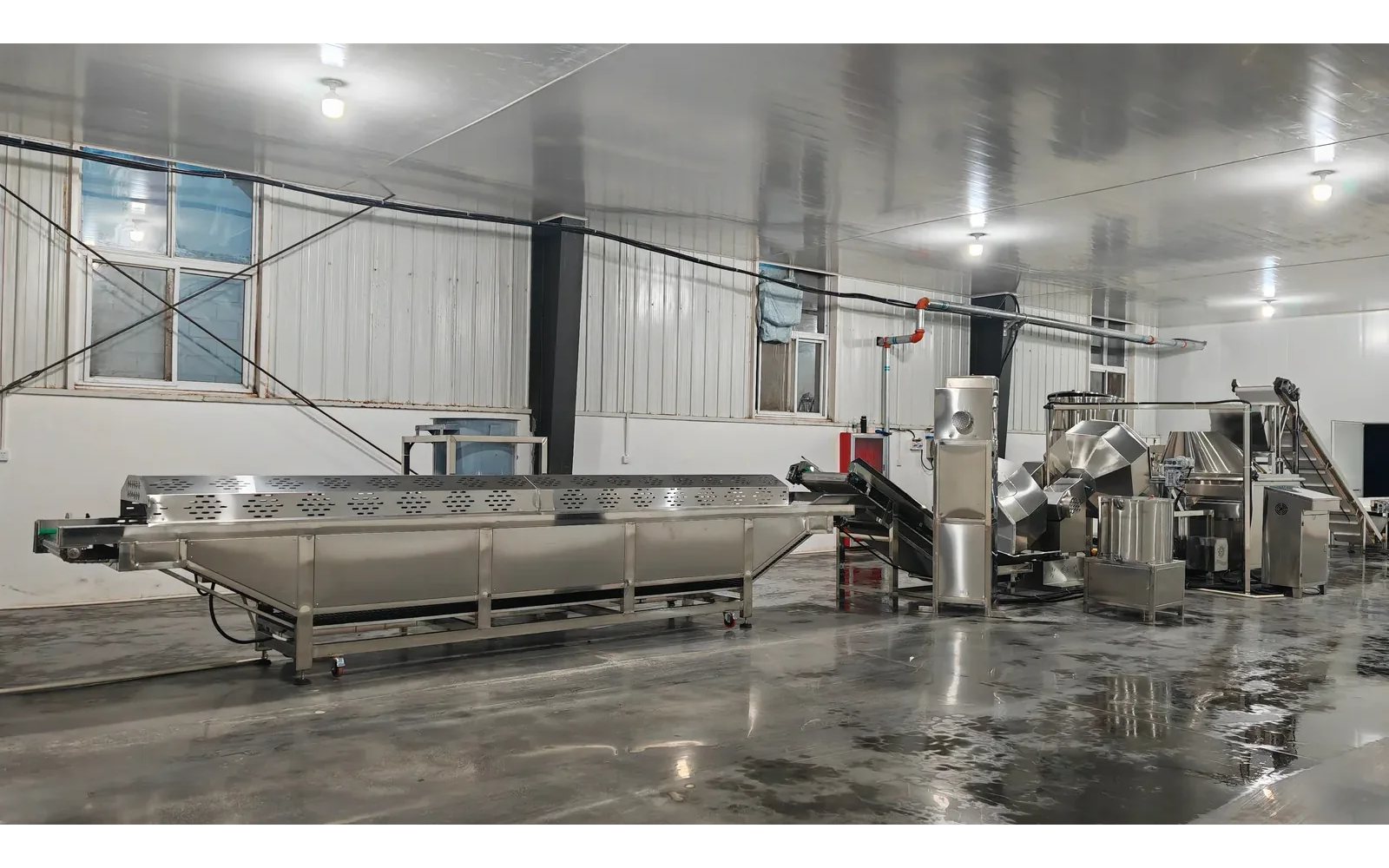
Start From the Seven-Item Route, Then Confirm the Required Result
How to use this project example
The available project record does not include public production, throughput, product-quality, uptime, commissioning or satisfaction results. Use it to understand the connected scope, then define and test the current buyer's own configuration.
Start from the seven-item route, then confirm the required result. The route gives a starting structure, but the project is only settled when the buyer defines the finished snack: its moisture, oil content, colour and texture, and the output it must hold. That result is what the equipment must produce, and it is not in the reference.
Write the result before requesting quotations. A supplier can propose a different combination that reaches the same result, and the buyer should welcome that, because the result, not the item list, is the target. The reference is a means to frame the discussion, while the written result is what the project is actually judged against.
Write the finished snack result before requesting quotations, and let suppliers propose a different combination that reaches it. The result, not the item list, is the target the project is judged against.
The reference is a means to frame the discussion, while the written result is what the project is actually judged against.
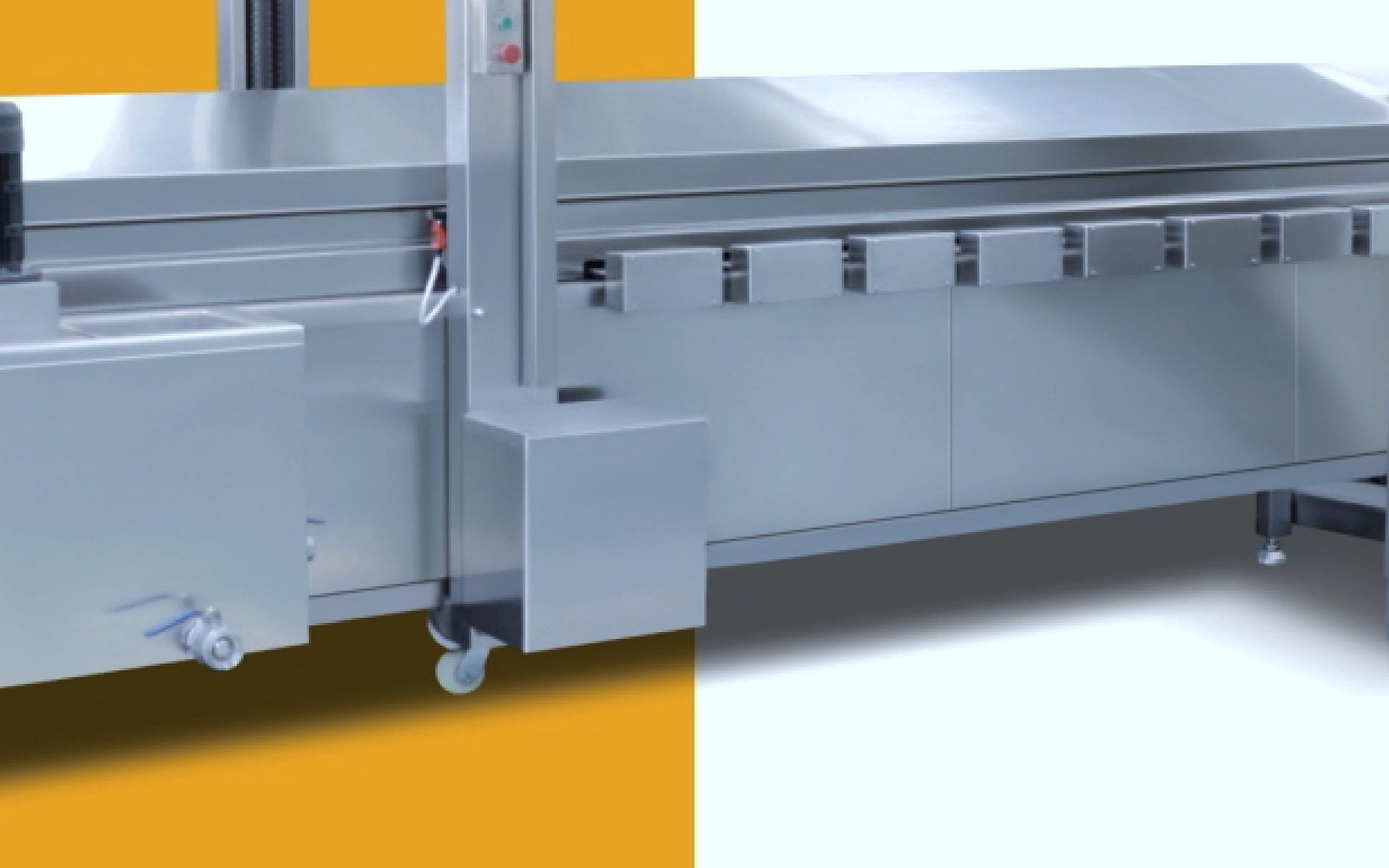
Use scope evidence to reduce trust and comparison risk.
Transferable lessons for a similar buyer
These lessons follow from the recorded concern and visible scope. They do not imply an unrecorded customer endorsement.
Name every duty
Separate preparation, thermal, finishing and packing responsibilities.
Normalize the quote
Compare quantities, options, documents, delivery and site responsibilities on the same basis.
Verify the seller path
Use approved company contacts, contracts, payment controls and traceable project documents.
Define acceptance early
Agree the product, test method, records and sign-off before purchase.
Use scope evidence to reduce trust and comparison risk. A frying line is easy to compare on price and difficult to compare on what is actually included, so the buyer should ask every supplier for an itemised scope that matches the reference structure. When each quotation lists the same duties, the comparison is fair and the trust required is smaller.
Keep the evidence with the decision. The reference scope, the supplier quotations and the written result should sit in the same document, so the buyer can see what is verified, what is quoted and what is promised. That record is what reduces the risk of buying a line that looks like the reference but omits the oil system or the preparation stages.
When each quotation lists the same duties, the comparison is fair and the trust required is smaller.
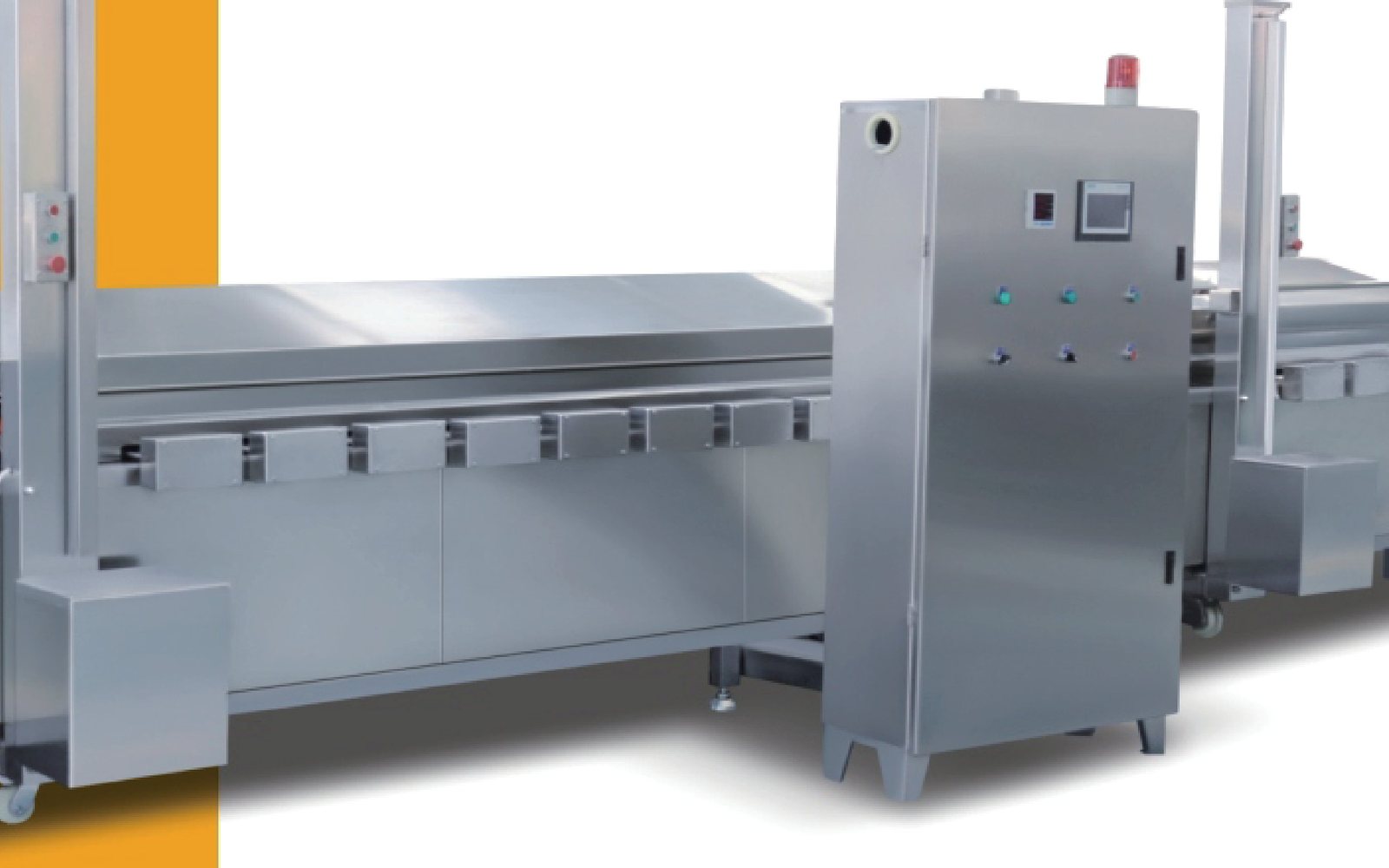
Move from reference scope to project-specific review.
Review the complete process and factory interfaces.
Fried Food Processing Line
Continuous Fryer
Compare when a continuous duty may require review.
Project Brief
Define the inputs absent from this evidence-limited case.
Frequently asked questions
What does this Haiti project record verify?
Does this reference scope fit every fried snack project?
What stays confidential?
What should a buyer provide for a comparable line review?
Move from the reference scope to a project-specific review as soon as the route is understood. The reference has served its purpose once it has framed the duties; from then on, the review must be driven by the buyer's product, output and site. Carrying the reference too far turns a useful example into a template that no longer fits.
Close the review with the buyer's own evidence: a product trial, a written scope and an acceptance plan. The reference cannot provide those, and no buyer should accept them by analogy. The project is specific the moment the product and the factory are defined, and the reference is then only a footnote to a decision the buyer owns.
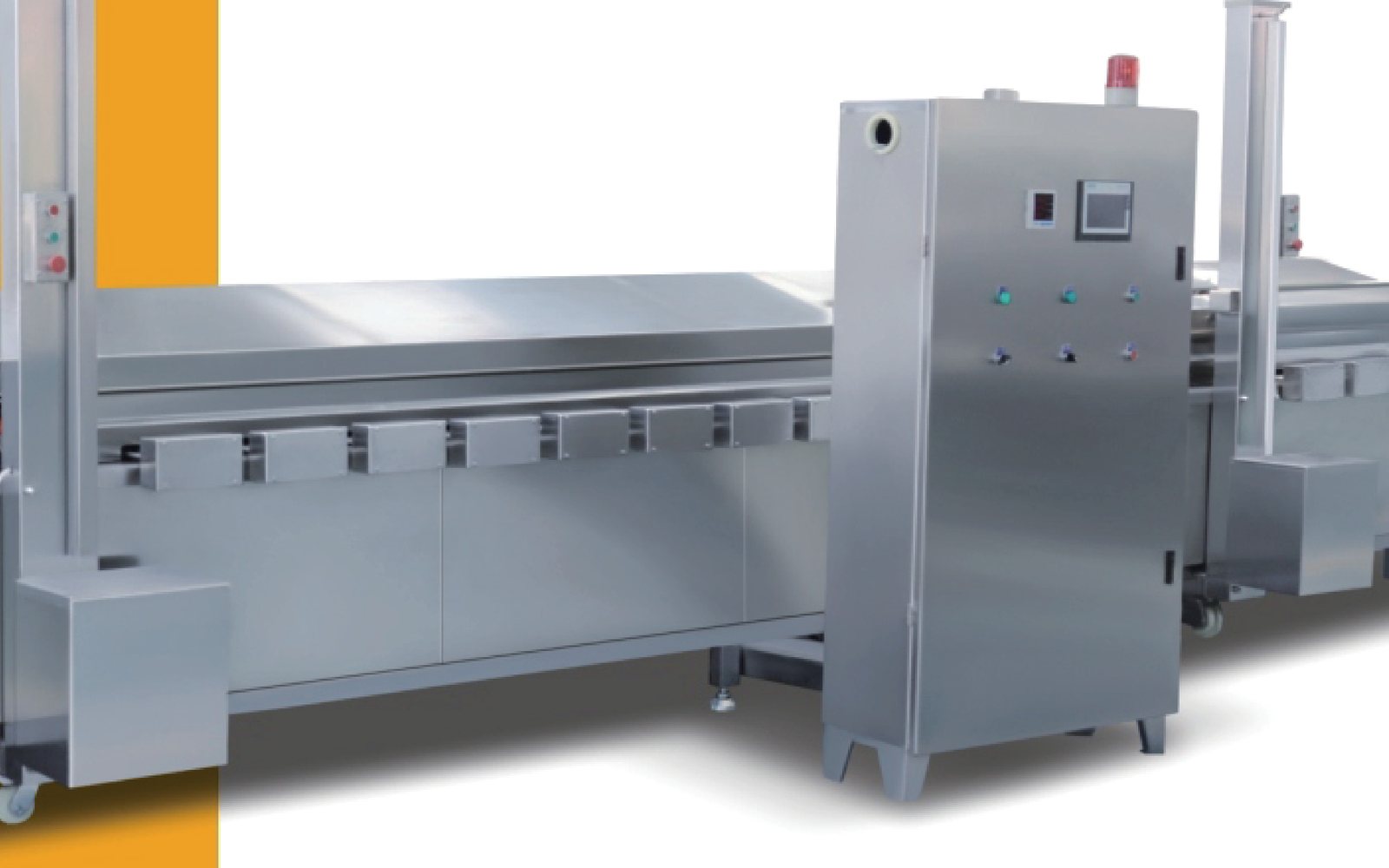
Related pages
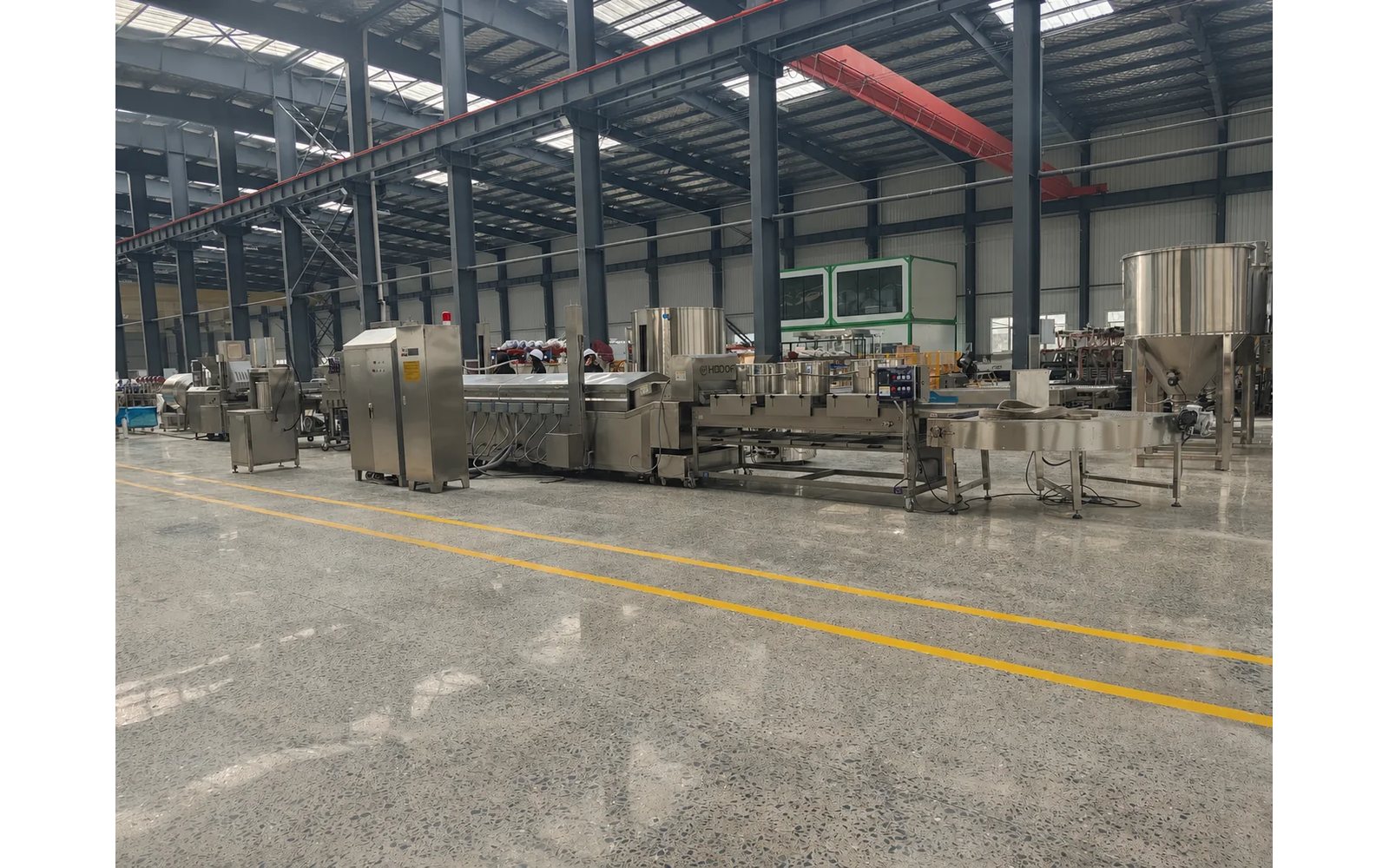
Fried Food Processing Line
Configure preparation, frying, oil handling, cooling, seasoning and freezing around the finished product, factory and acceptance basis.
Continuous Fryer
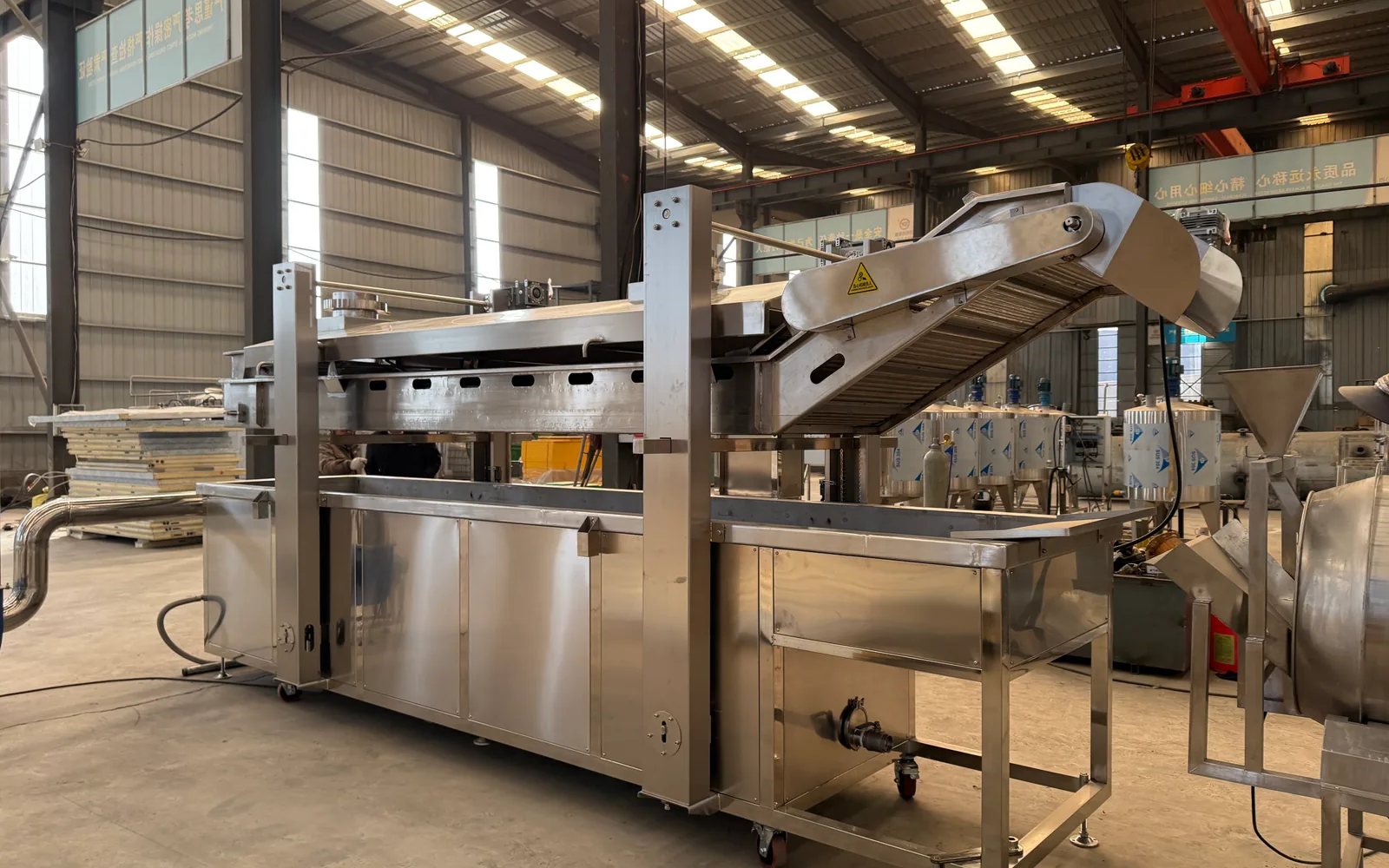
Compare verified Hadof continuous fryer references, then review product loading, heating route, oil handling, factory interfaces and acceptance scope.
Premade Pouch Packaging Machines
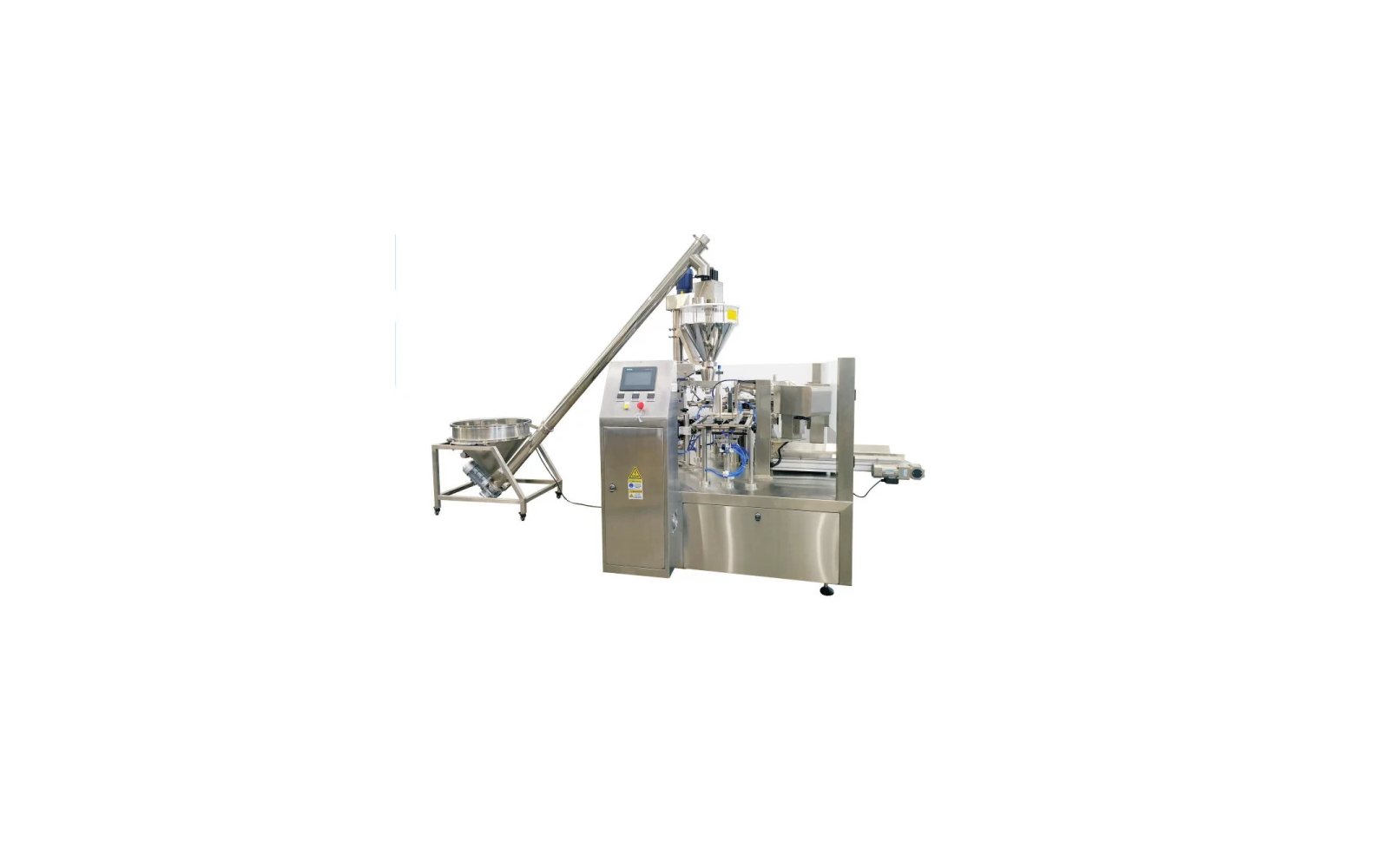
Compare HDF premade pouch machines for powder and granules by bag size, dose, speed, accuracy reference, power, air and metering configuration.