
Markets / Mexico
Mexico Food Processing Market
Documented demand signals and entry requirements for corn, avocado, bakery and meat processing in Mexico.
- ~132MPopulation
- ~$1.92TGDP
- ~$8.5B (2025)Machinery market
- USMCATrade standard
Market Snapshot
Mexico is Latin America's second-largest economy and a USMCA export platform. Documented demand concentrates on corn and tortilla, avocado sorting, bakery and meat automation, plus packaging and inspection. Corn, avocado and sugarcane anchor a large supply base, and USMCA access pulls automation into export-grade processing.
- ~132M
- Population
- ~$1.92T
- GDP
- ~$8.5B
- Machinery market (2025)
- USMCA
- Trade standard
Mexico's processing demand is led by corn and tortilla, avocado, bakery and meat, with the USMCA export standard shaping equipment for cross-border supply. The market uses a 60Hz supply and its own conformity path, so the destination must be fixed before any quotation is compared.
Fix the destination early: the NOM conformity path, the 60Hz voltage and the product route each change the scope. A line quoted on a 50Hz basis cannot simply be re-labelled for Mexico, and the correction after manufacture is expensive.

Demand Signals and Matching Lines
Documented demand maps to high-automation lines and export-grade quality control.
| Corn and tortilla | Nixtamalization, masa, tortilla forming and baking |
|---|---|
| Avocado | Washing, grading, de-stoning and freezing |
| Meat | Slaughter, cutting, marinating and vacuum packing |
| Bakery and snacks | Mixing, baking, frying and packaging |
| Packaging and inspection | Pouch and VFFS, checkweighers, metal and X-ray |
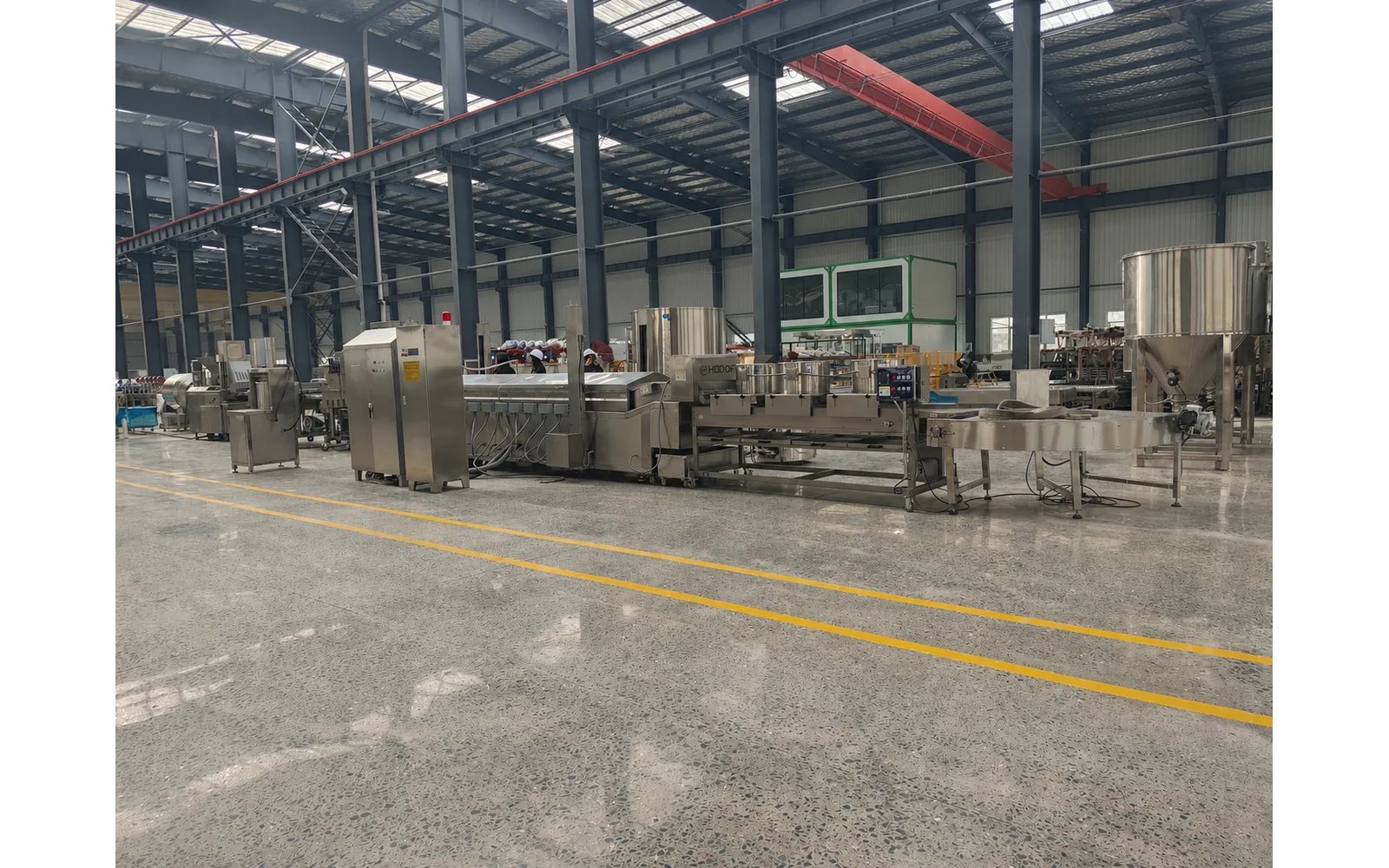
Documented demand concentrates on corn and tortilla lines, avocado processing, bakery and meat, with packaging following each route. These are high-volume food routes where the electrical standard and the local service picture matter as much as the machine price.
Matching the demand to a line means converting a category such as tortilla into receiving, cooking, pressing and packing stages, then confirming the 60Hz motor and control supply and the local conformity evidence for each stage.
Reading the Demand
Corn is cultural and commercial. Nixtamalization, masa, tortilla forming and baking serve a large domestic base, with automation demand driven by labor cost and output consistency.
Avocado adds an export pull. Washing, grading, de-stoning and freezing support the world's leading exporter, and export-grade inspection closes the loop.
Meat and bakery automation round out the mix. Slaughter, cutting, marinating, mixing and baking align with USMCA hygiene and documentation expectations.
Near-shoring keeps investment flowing into automation. Buyers replacing older equipment respond to lower total cost against European suppliers, provided the machine carries USMCA-grade documentation and the actual HS duty is confirmed.
Read the demand as two streams: local staples for a large domestic market and export products that must meet USMCA standards on their way to the United States and Canada. The export stream rewards documentation and traceability, while the local stream rewards simple operation and uptime.
Mexican buyers commonly ask for the voltage and the NOM path in the same inquiry, so the reading should include the utility and conformity picture from the first review rather than adding it after the equipment is chosen.
Compliance, Utilities and Payment
Mexico has a documented USMCA export standard and a moderate, stable import regime.
| Certification | USMCA export standard; CE-style electrical; 304/316 stainless |
|---|---|
| Utilities | Confirm voltage and frequency at the plant |
| Duty and tax | Confirm the HS code; food machinery base duty is modest and falling |
| Payment | No FX control; USD or MXN settlement |
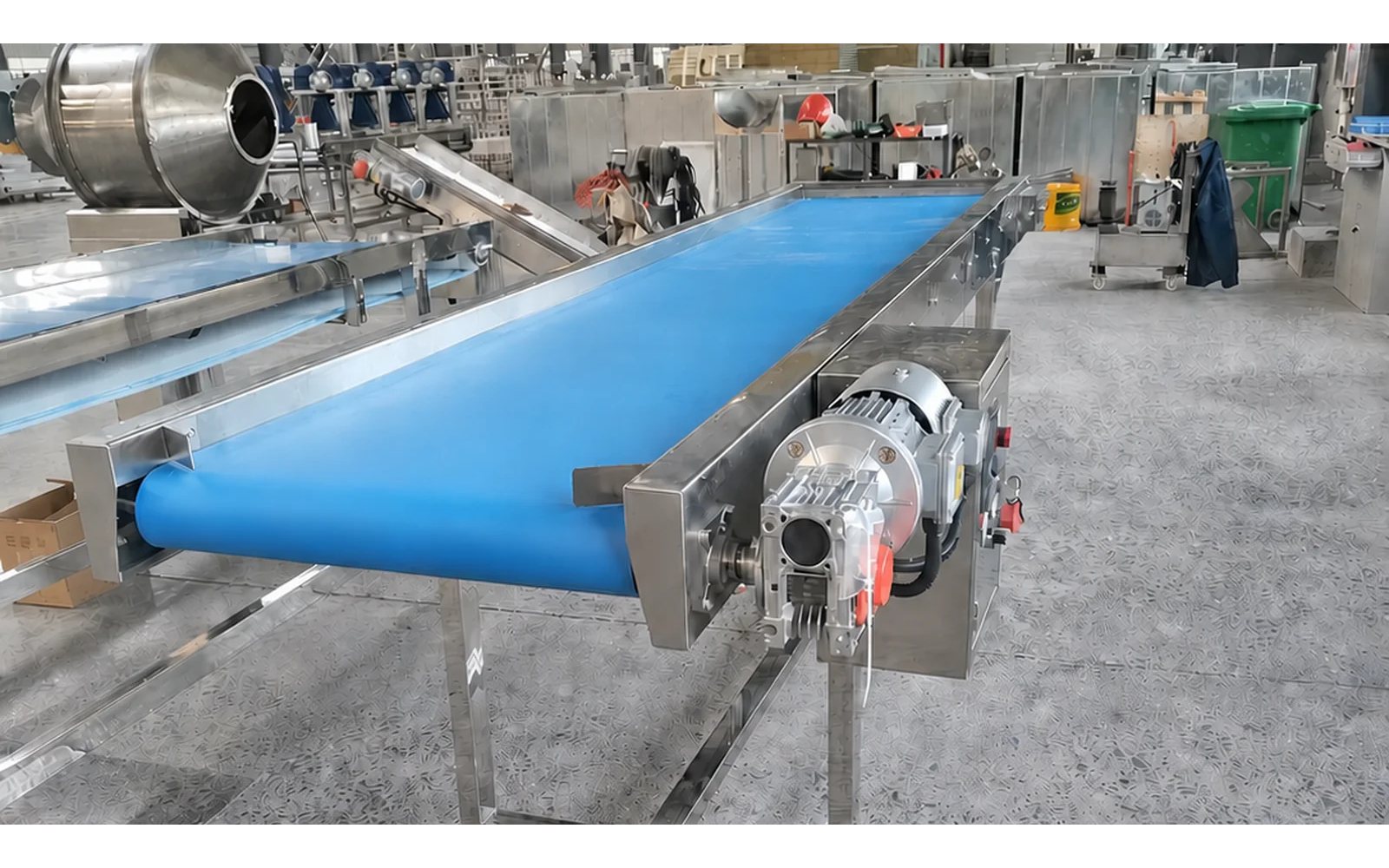
Conformity follows the NOM path, and the supply is commonly 127V/220V or 220V/480V at 60Hz, which differs from the 50Hz used in many export markets. A certificate confirms conformity, but it must be matched to the destination voltage and the local inspection path.
Payment is usually letter of credit or staged T/T, and the landed cost should include duty. Confirm the local spares and service route in the same contract, because a food line running on 60Hz needs parts and support that fit the same standard.
Recommended Entry Route
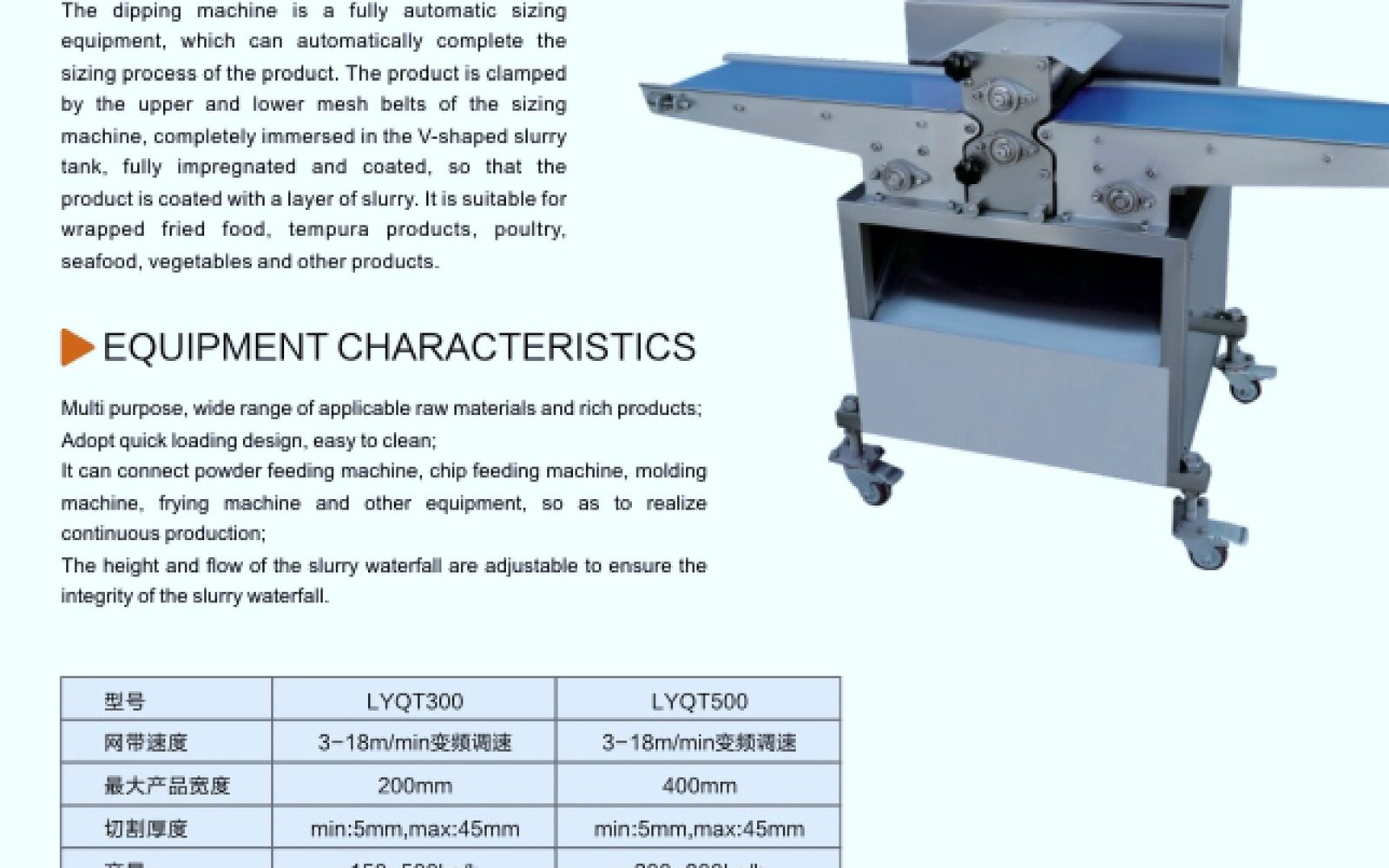
Lead with corn, avocado or bakery lines at a mid-range price point, target both head groups and distributors, and align equipment with USMCA export standards.
A complete Mexico brief includes the product and target output, the USMCA-grade documentation and the confirmed HS duty, so a mid-range price is reviewed against the same export standard as a European quotation.
Frequently asked questions
Which Mexico lines have the clearest documented demand?
What standard should equipment satisfy?
| Documented basis | Public Mexico market research, 2026 |
|---|---|
| Scope | Market context only; buyer-specific duty and utility values are confirmed per order |
Enter the market in three stages: fix the NOM and 60Hz utility basis, map the buyer's product to a processing and packing route, then quote the complete landed scope with payment and local support. A destination-first entry keeps the frequency and conformity picture visible.
Related pages
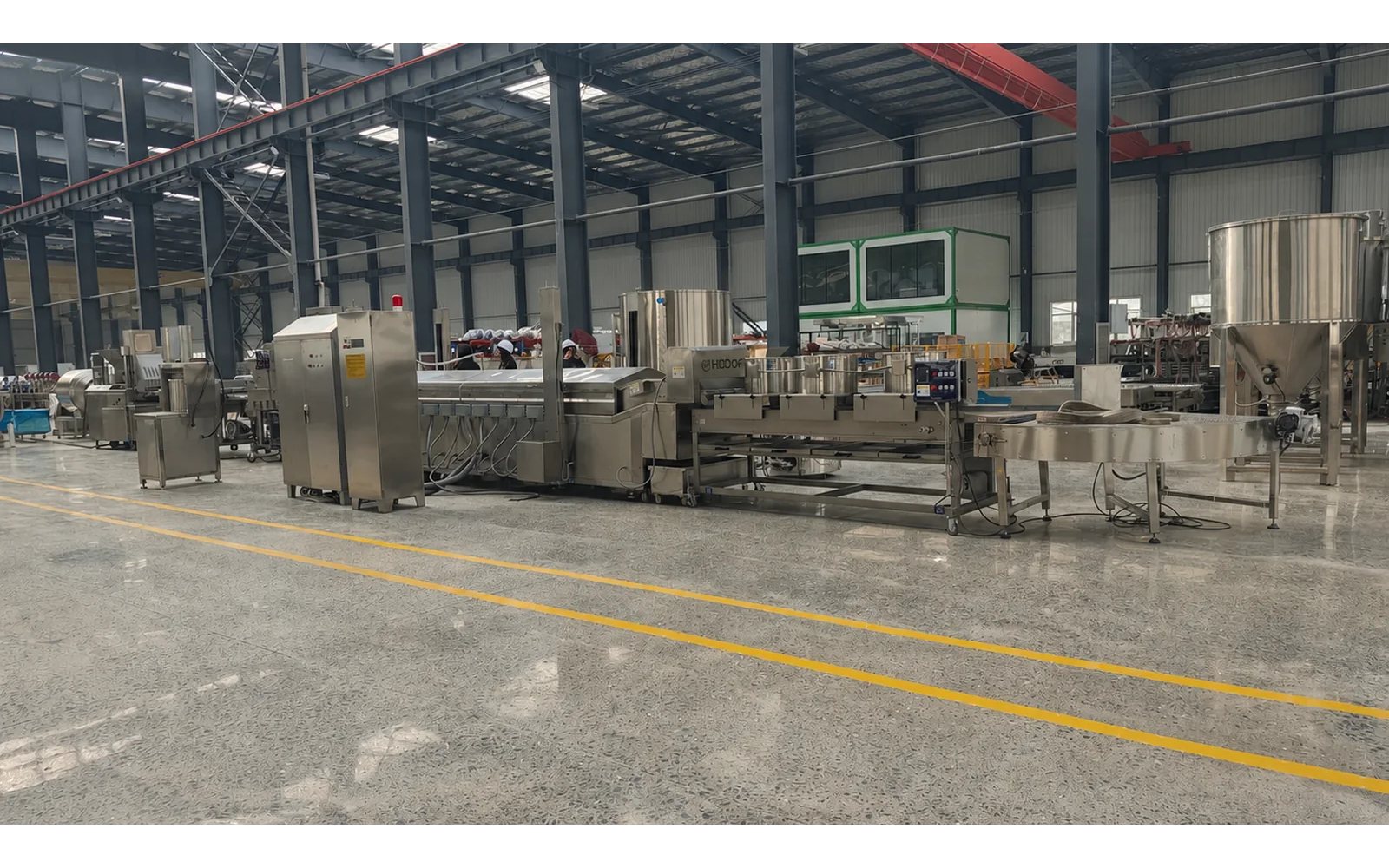
Potato Chips Production Line
Define the potato, finished chip and factory boundary before connecting preparation, frying, seasoning and packaging feed.
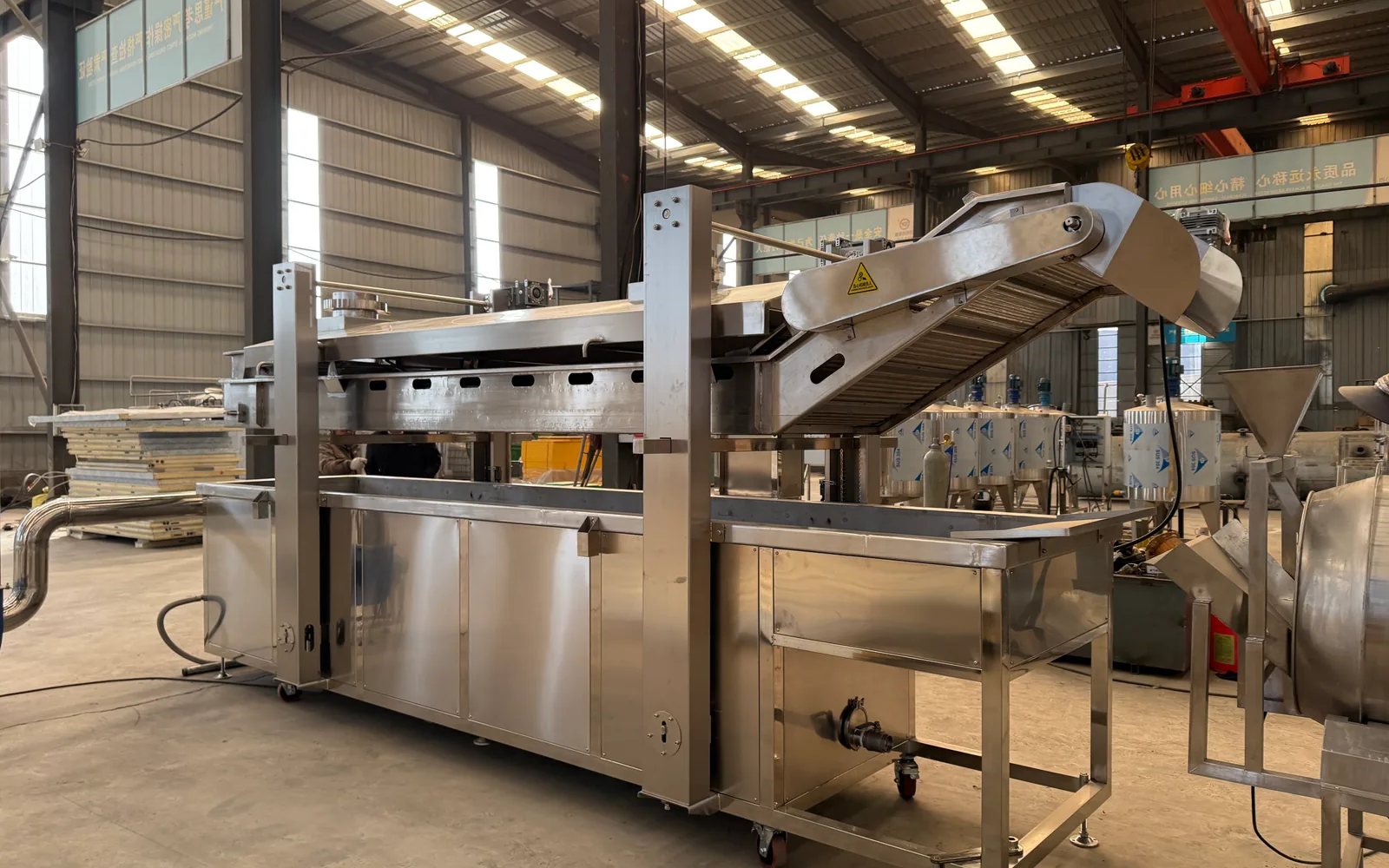
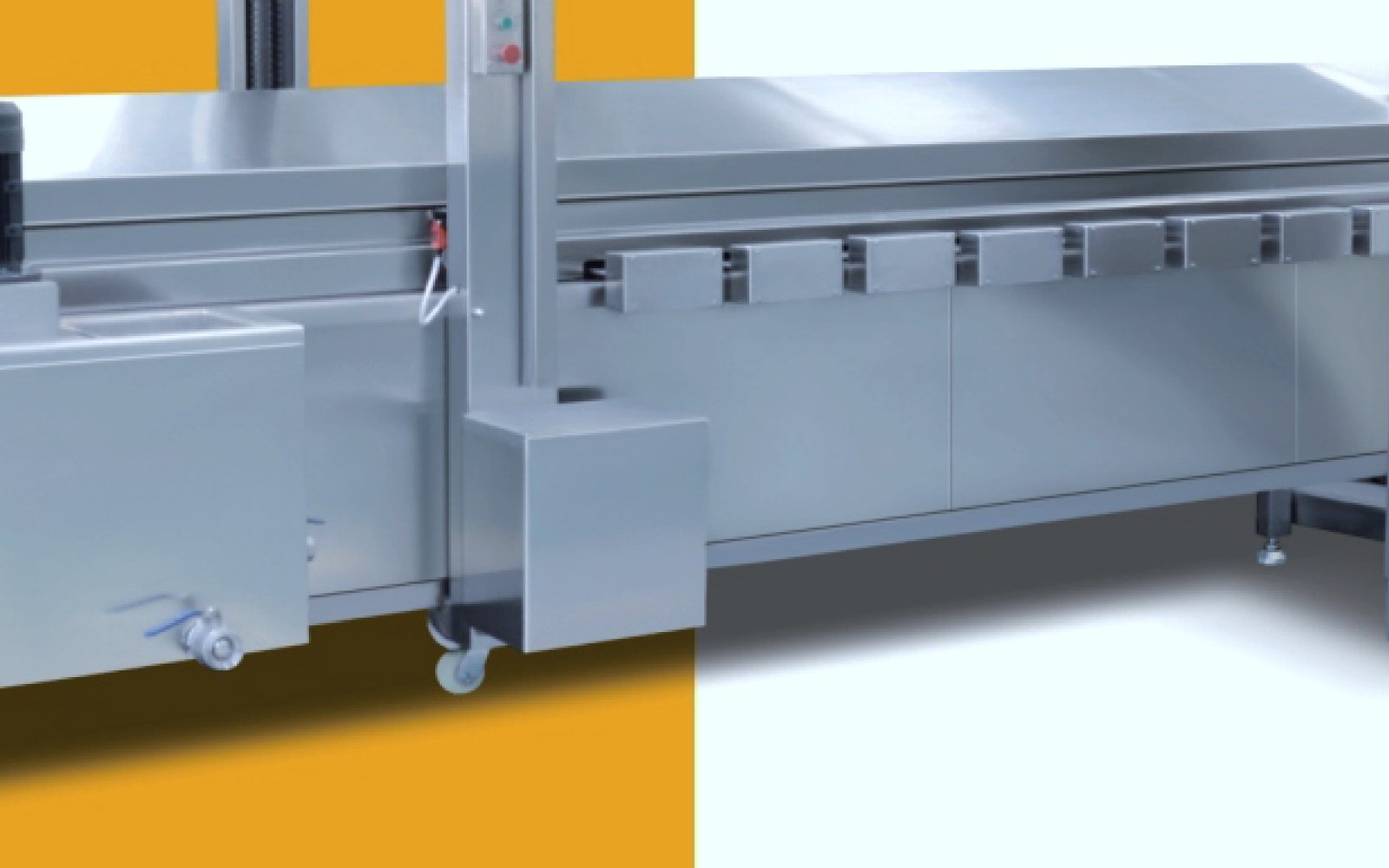
Continuous Fryer
Compare verified Hadof continuous fryer references, then review product loading, heating route, oil handling, factory interfaces and acceptance scope.

Packaging Inspection and End-of-Line Equipment
Compare HDF checkweighers, metal and X-ray inspection, sealers, shrink, coding, strapping, carton opening and sealing references.