
Keep the Equipment Scope Traceable After Delivery
Review the process, equipment duties and project boundary from one defined basis.
One Entry Point, Six Review Paths
The first review determines whether the request needs a part identification, operating diagnosis, engineering change, remote session, site visit or training plan.
Spare and wear-part identification
Match the requested item to the supplied machine, drawing, assembly position and current condition before price or availability is stated.
Remote technical review
Share the event timeline, alarms, settings, product condition, utilities, photos and video so the team can separate equipment, process and site causes.
Installation and commissioning
Define readiness, access, utilities, lifting, labor, product for trials, safety responsibilities and the acceptance task before scheduling support.
Process and product support
Connect product variation, preparation, loading, thermal duty, transfer and finished-product checks to the relevant equipment settings.
FAT and acceptance preparation
Agree the test product, duration, sample points, measurements, available utilities, witness records and acceptance boundaries before the test.
Operator and maintenance training
Define the audience, machine condition, operating tasks, cleaning, inspection, changeover, records and follow-up questions.
One entry point routes the request into the correct review path, because a spare part, a remote diagnosis and an installation all start from different evidence. Naming the path at the start saves the buyer from explaining the problem twice and lets the technical team respond with the right questions first.
The six paths cover part identification, remote review, installation and commissioning, process support, FAT preparation and operator training. Each path ends with a defined scope, so the buyer always knows what will be checked and what the next action is.
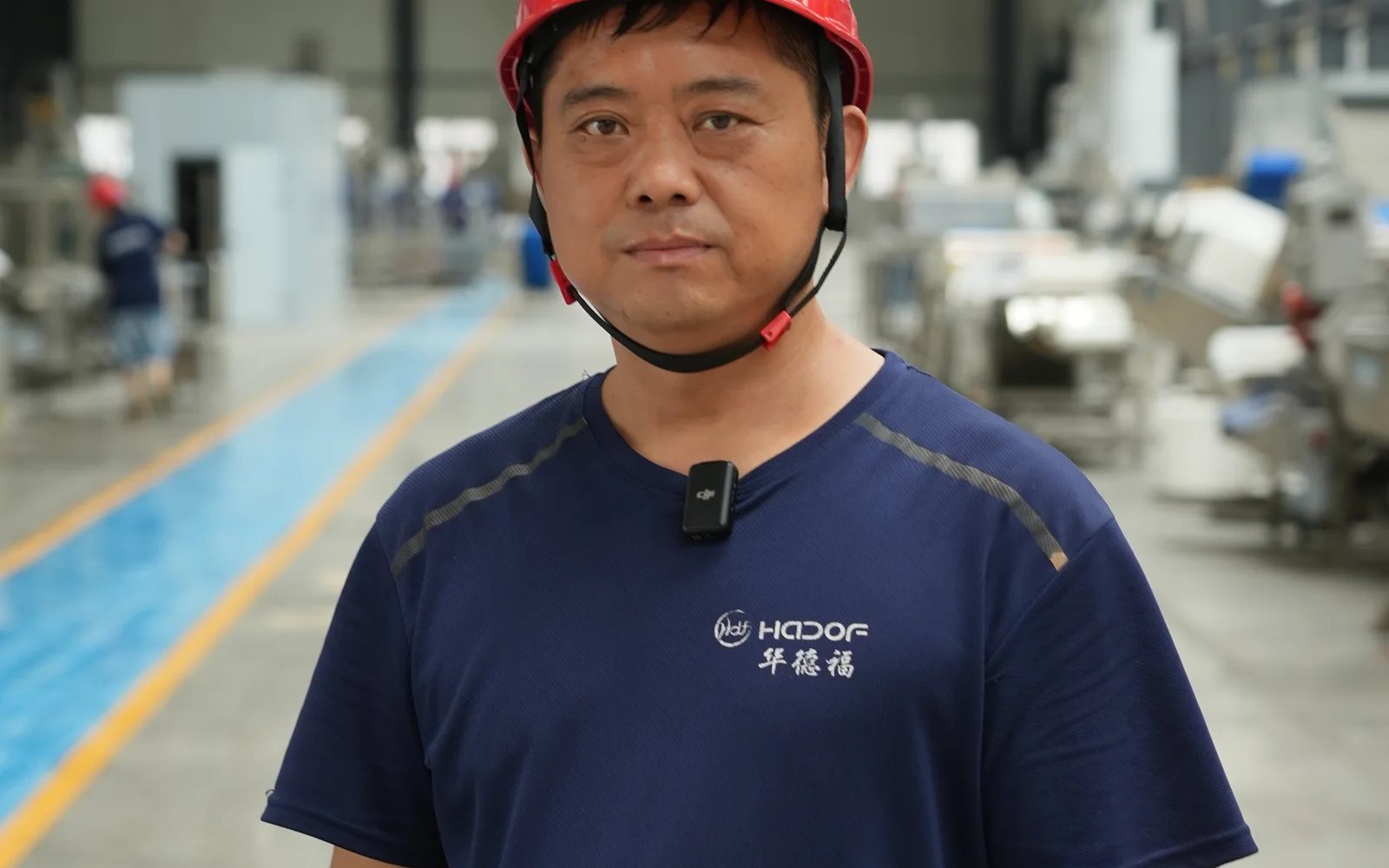
Send Evidence That Can Be Matched to One Machine and One Event
A clear record shortens the identification loop and prevents a symptom from being mistaken for the underlying cause.
- 01IdentifyMachine and supplied scope
- 02RecordCondition and event history
- 03ReviewParts, process and site causes
- 04DefineAction and responsibility
- 05VerifyResult and next inspection
Service work is decided by evidence, not by a description of symptoms. Send the machine identity and supplied configuration, the position and dimensions of the part, the timeline of the event and the reproducible condition, and the team can match the request to one machine and one event.
A photograph that shows the position and a part number that names the component are worth more than a long account of what happened. The evidence lets the team decide whether the issue is a wear part, a setting or an installation condition, and it prevents a part being shipped for the wrong machine.
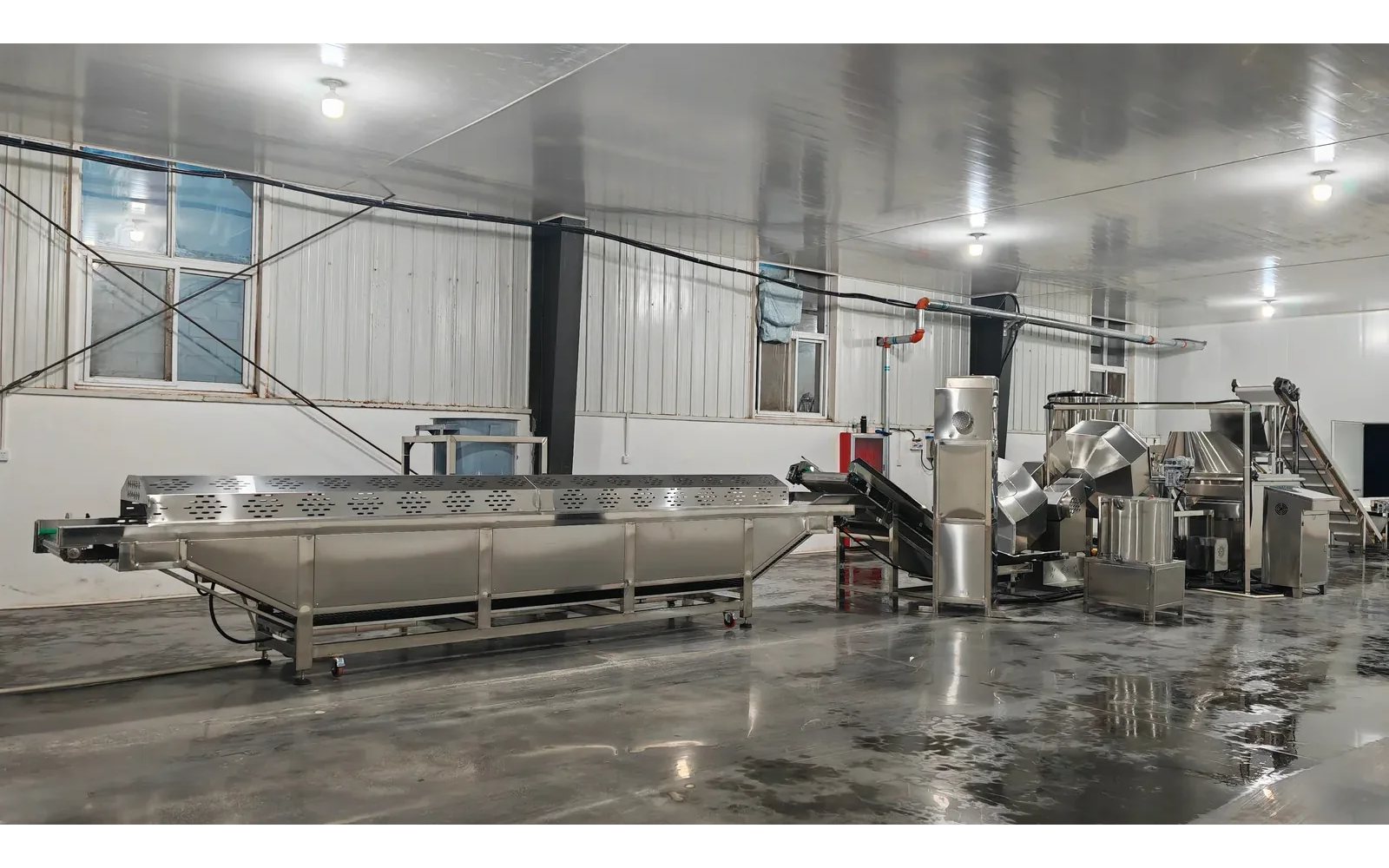
Build a Service Record the Technical Team Can Act On
Do not rely on a filename or general equipment name. Connect every photo, dimension and event to the relevant machine location and time.
Identity and supplied configuration
Machine or line name, model, serial reference, order, drawing, electrical documentation and any modifications made after delivery.
Position, dimensions and quantity
Assembly location, clear photographs, key dimensions, material or marking where visible, required quantity and whether the machine can remain stopped.
Timeline and reproducible condition
First occurrence, frequency, alarms, settings, utility readings, recent maintenance, product changes and actions already attempted.
Access, safety and operating window
Destination, contact, local safety rules, access, lifting, working hours, production window, utilities and any travel or visa constraints.
A service record is built from four fields: the identity and supplied configuration, the position and quantity, the timeline and reproducible condition, and the access and operating window. Filling those fields once lets the technical team act without a second round of questions.
Keep the record consistent across the request, the quotation and the closeout. The same machine, part and condition that opened the request should be the ones the response and the invoice describe, so the service history stays traceable and the next request starts from a complete record.
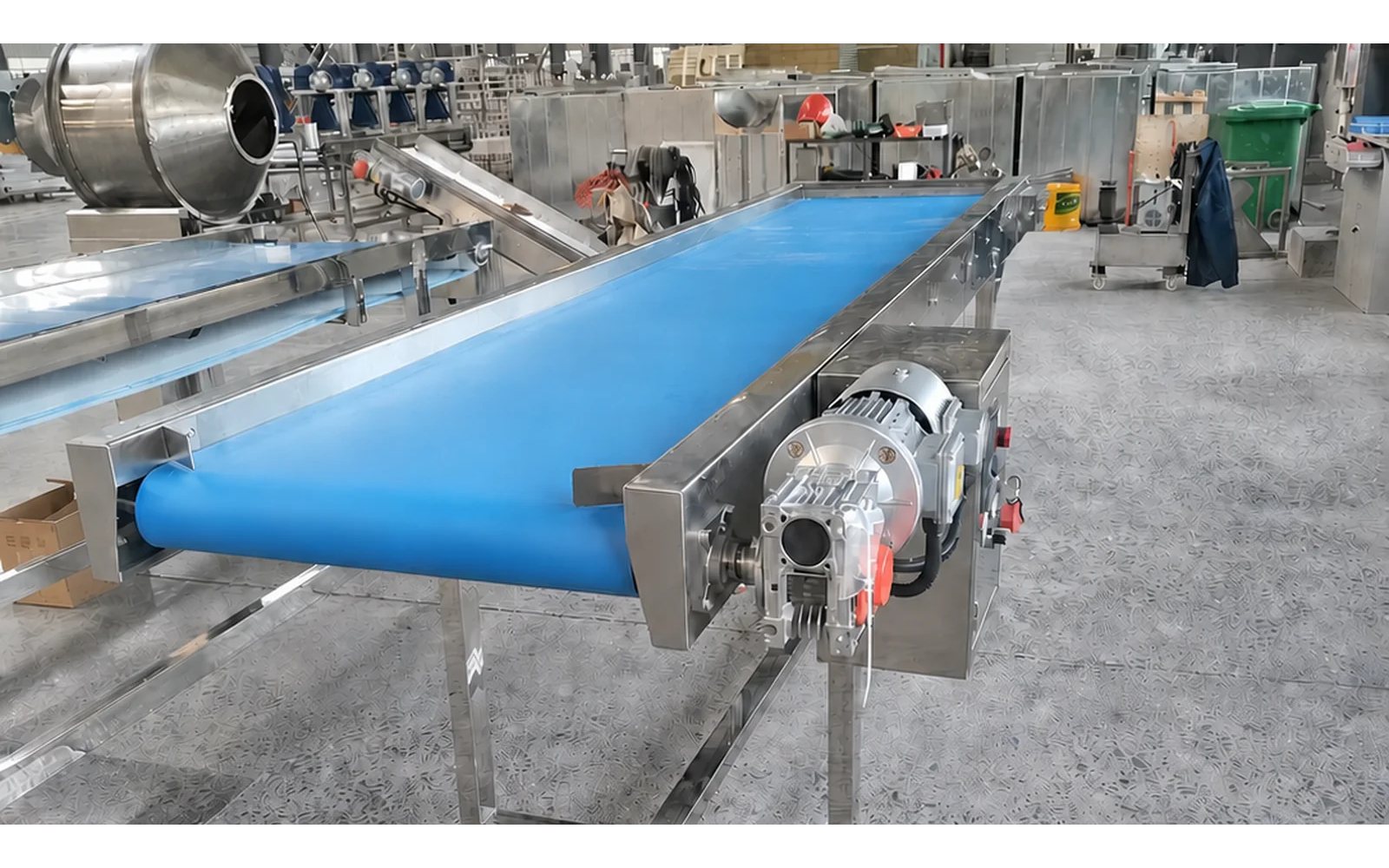
Confirm the Support Route Before Work Starts
The response method, included work, evidence and commercial boundary are recorded for the current machine and event.
Intake
Check contact details, machine identity, urgency and available evidence.
Clarification
Request missing drawings, measurements, alarms, settings, utilities or site information.
Route decision
Choose part identification, remote review, engineering review, site service or training.
Scope confirmation
Confirm deliverables, responsibilities, timing basis, price factors and exclusions.
Closeout
Record work completed, observations, replaced items, test result and next actions.
Commercial and decision limits
The support route is confirmed in five steps: intake, clarification, route decision, scope confirmation and closeout. Each step has a named owner and a written result, so the buyer knows who is doing what and the work never starts on an unconfirmed scope.
Confirming the route before work starts is what keeps remote diagnosis, a site visit or a spare-part shipment from turning into the wrong service. The route decision records what will be done, by whom and against which evidence, and the scope confirmation freezes it before any cost is committed.
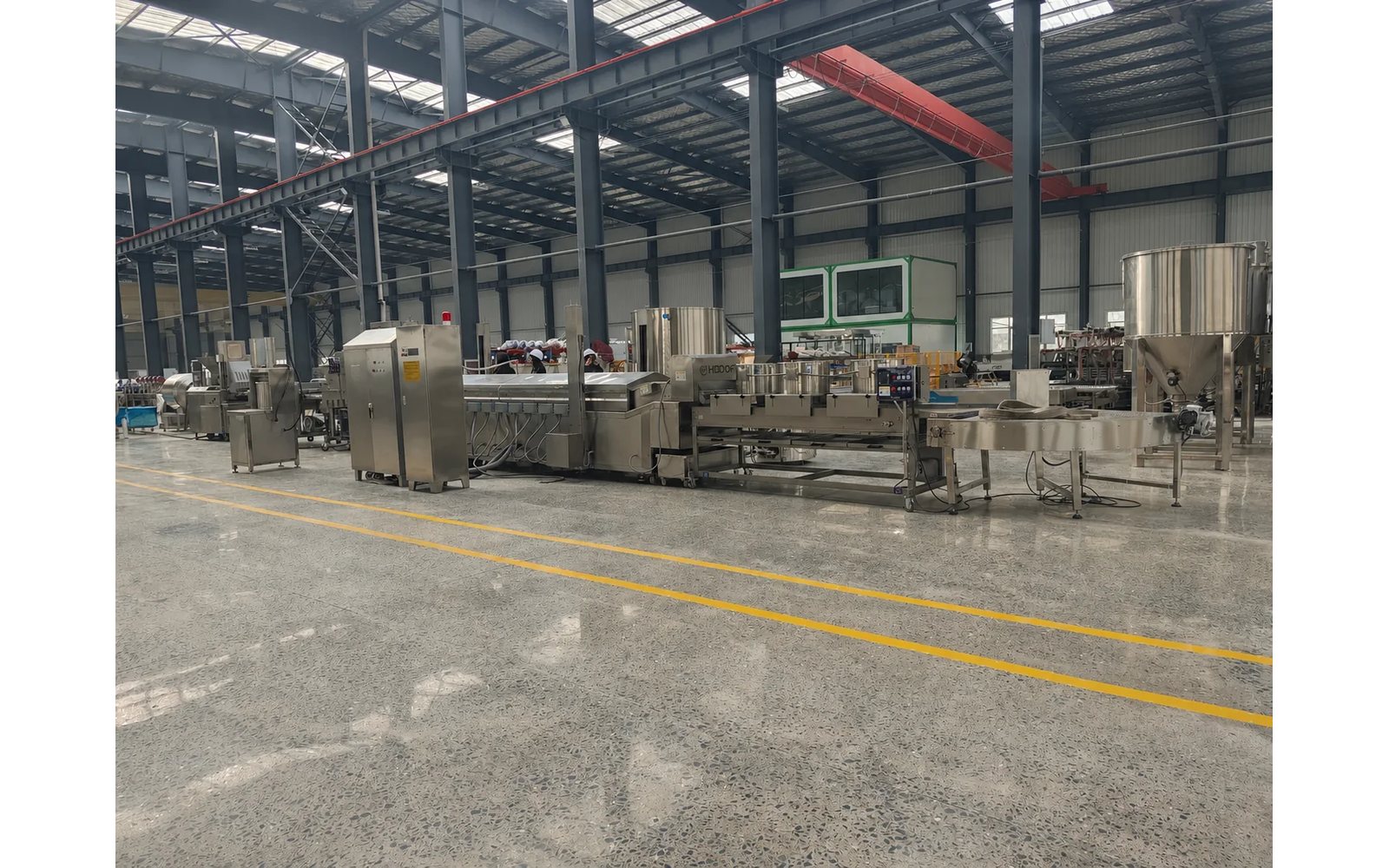
Availability, Response and Site Scope Are Request-Specific
The website does not promise stock, universal compatibility, remote resolution, response time, travel availability or warranty coverage without reviewing the supplied record.
| Parts availability | Confirmed after machine identity, drawing position, quantity and destination are reviewed. |
|---|---|
| Compatibility | Confirmed against the supplied execution and any recorded modifications; visual similarity is not sufficient. |
| Response route | Remote and on-site support depend on evidence quality, safety, access, personnel and the agreed commercial scope. |
| Warranty | Coverage follows the applicable contract, supplied scope, operating record and reviewed cause; no general web statement overrides it. |
Availability, response time and site scope depend on the request, so they are confirmed per case rather than stated as a universal promise. A standard wear part can be identified and quoted quickly, while a commissioning or site visit depends on location, access and the current schedule.
Ask for the three values together with the quotation. The team will state what is available, how quickly it can respond and what the site scope includes, so the buyer can plan the downtime instead of discovering the boundaries after the work is ordered.
Resolve the First Support Questions Before Quotation
Frequently asked questions
What information is required to identify a spare or wear part?
Can a part be selected from a photograph alone?
What should be included in a troubleshooting request?
Is remote or on-site service automatically included?
How should installation or commissioning readiness be prepared?
Does this page promise stock, response time or warranty coverage?
Related pages
Quotation Risk Checklist
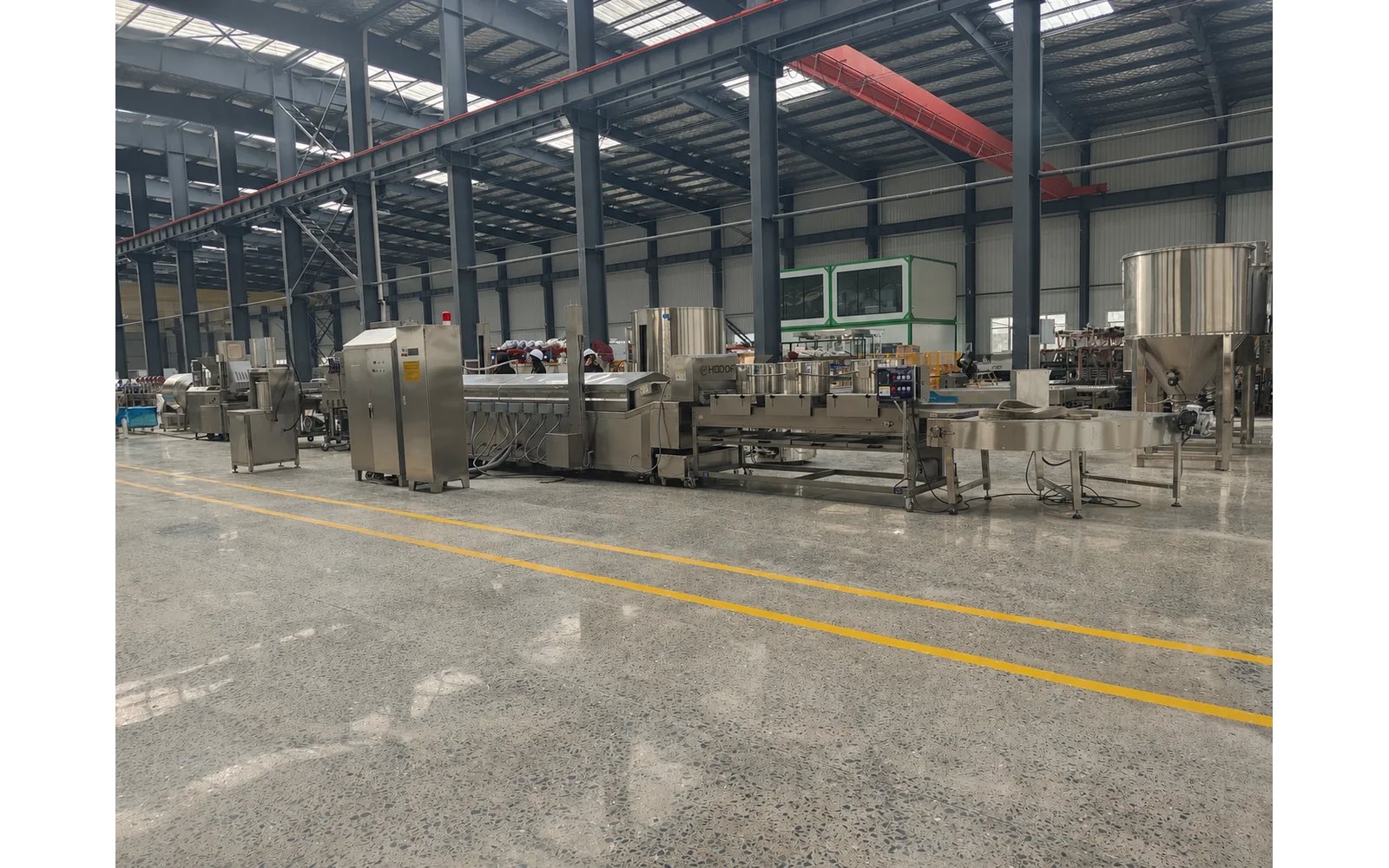
Compare food machinery quotations on one product, output, factory and supply baseline, including interfaces, evidence, exclusions and acceptance.
Define Scope Before Production Begins
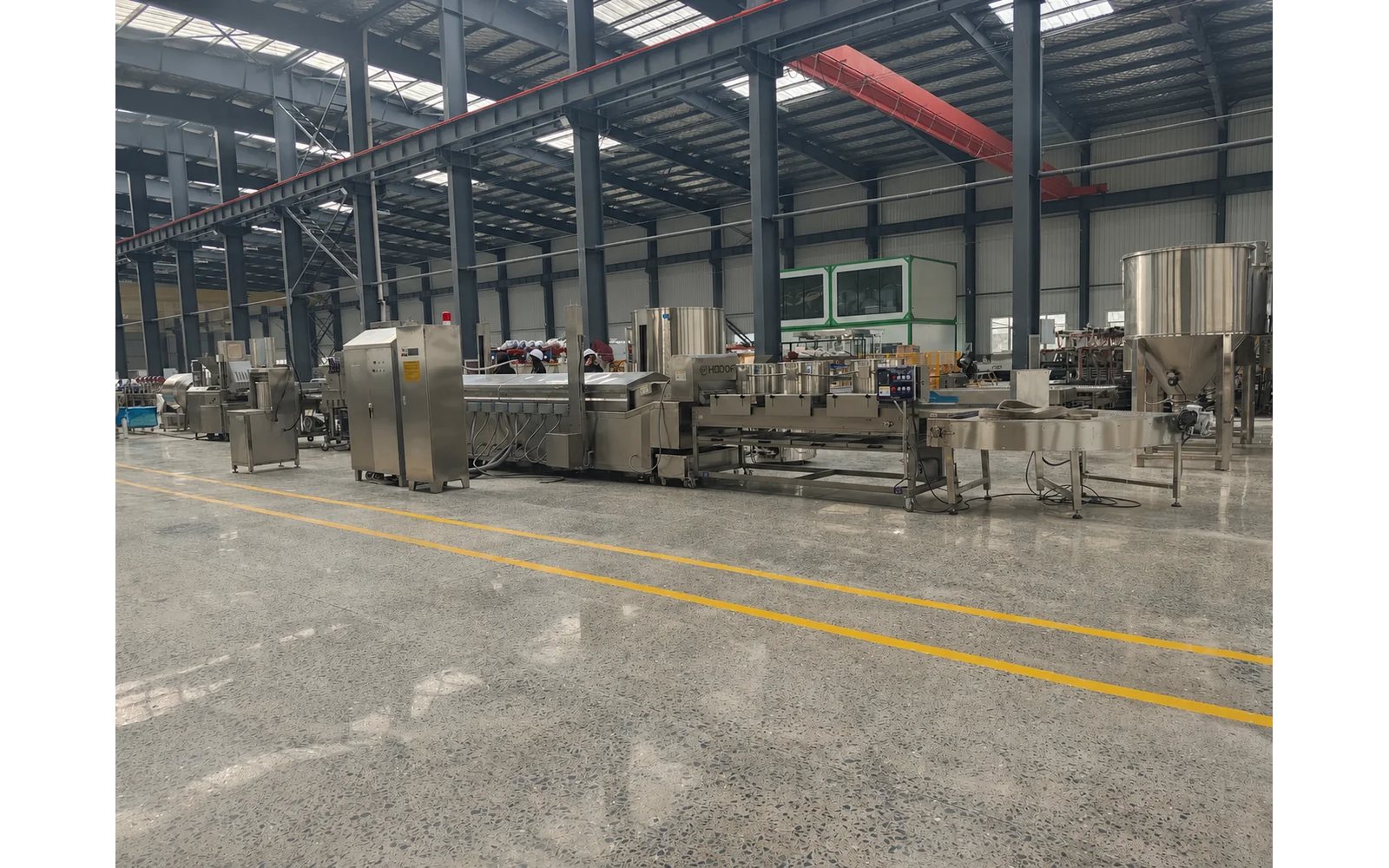
Define technical release, documents, inspection, packing, installation support and acceptance responsibilities for a food machinery project.
Start With the Product and Operating Basis
Send Hadof your food product, target output, operating plan, utilities, layout and delivery scope for a structured technical project review.
All Service
Every page in this topic, grouped for quick navigation.