
Fried Food Processing Line
Review the process, equipment duties and project boundary from one defined basis.
Enter Through the Product You Intend to Sell
Each finished-product basis creates a different preparation route, fryer load and post-fry responsibility. Use the route selector to identify the first technical questions.
Protect geometry and coating through every transfer.
Potato chips and pre-fried strips
Stabilize cut and surface condition before frying.
Peanuts, cashews and other kernels
Coordinate loading, oil contact and rapid post-fry handling.
Seafood, meat and mixed recipes
Separate recipes only after identifying their shared operating window.
Root causes and control points
Enter the project through the product you intend to sell, not through a machine list. Record the food, its size and shape, its moisture content and the finished texture, colour and oil content you must deliver. A battered chicken product, a potato crisp and a coated nut are three different thermal and mechanical duties, and the line starts from the product that defines them.
Then record the production pattern: the output, the number of product families and the changeover frequency. A line that makes one product flat-out is simpler than one that changes product several times a day, and that difference changes the fryer, the conveyors and the controls as much as the product itself.
The product and its production pattern are the thread that runs through every later decision.
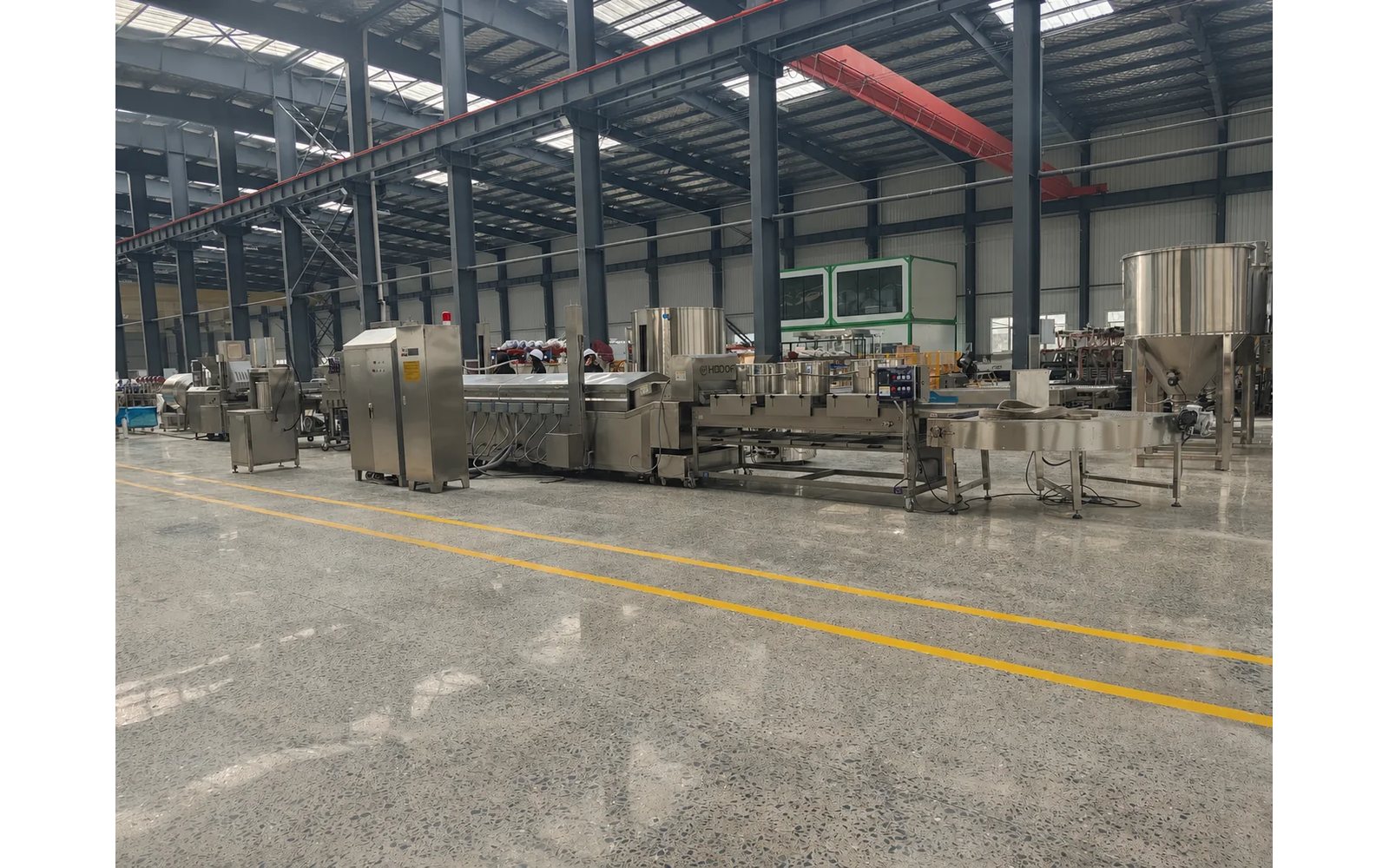
Fix the Risks That Equipment Lists Usually Hide
A complete solution page must show what can destabilize the finished product and which stage owns each correction.
Variable incoming product
Size, moisture, coating and temperature change the thermal load before the fryer setting changes.
Uncontrolled stage handoff
Feed surges, drop height, overlap and queues alter residence and damage product.
Heating-duty mismatch
A heating route selected from fuel availability alone can conflict with control, footprint, cleaning or operating requirements.
Incomplete oil system
Oil volume, circulation, filtration, replenishment, sediment removal and cleaning form one responsibility boundary.
Under-sized post-fry stages
De-oiling, cooling, seasoning, freezing and packing must accept the actual discharge rate and product condition.
Fix the risks that equipment lists usually hide before choosing machines. Moisture release into the oil, fines generation, product sticking to the belt, and oil degradation are the risks that decide whether a frying line runs well, yet they rarely appear on a quotation. List them for your product and design the line to manage them.
Assign each risk a control. Fines are controlled by filtration and oil turnover, sticking by belt design and coating control, moisture release by temperature and residence, and oil degradation by both filtration and oil quality. When the risks are named and controlled, the equipment list becomes a set of solutions rather than a set of guesses.
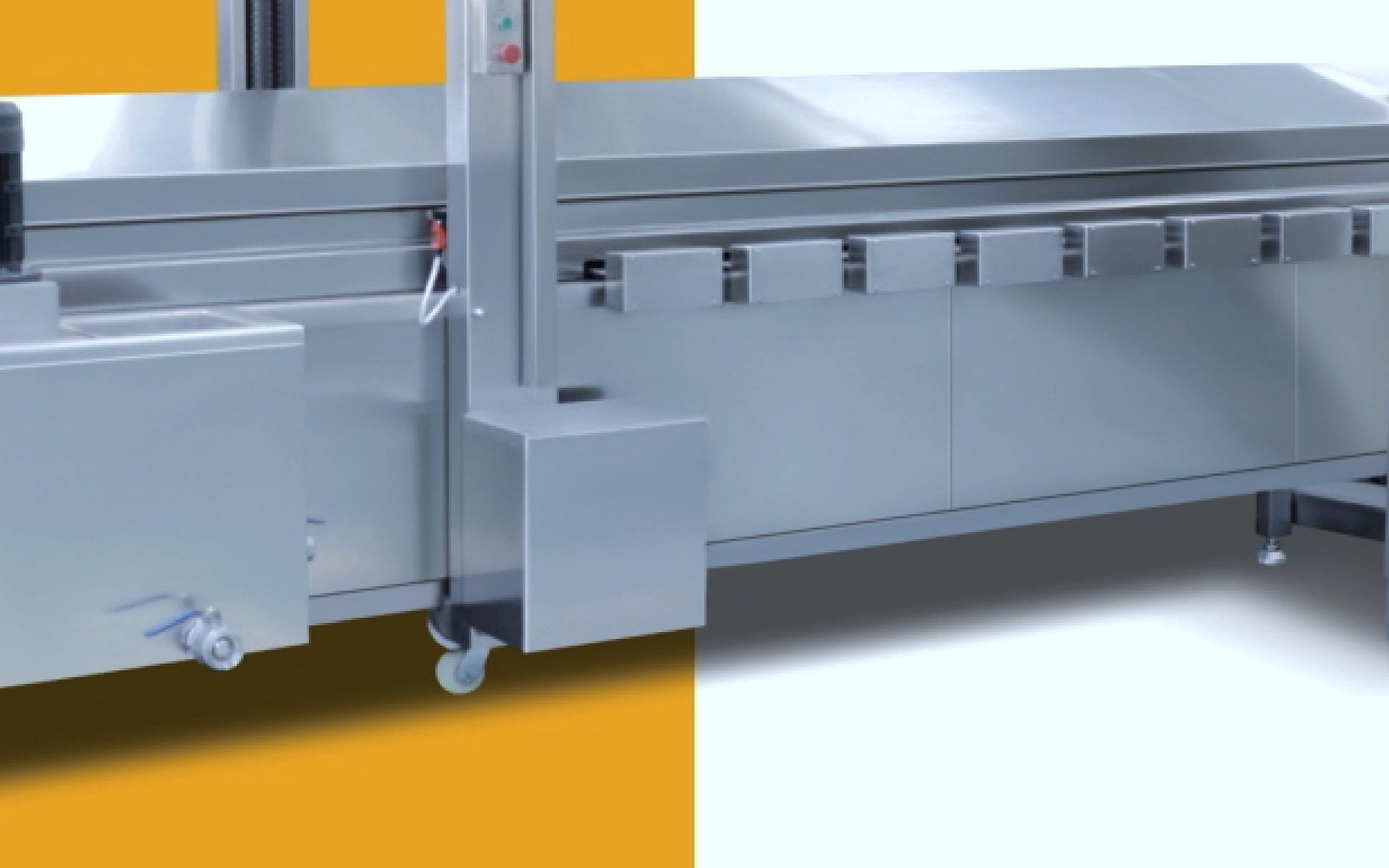
Connect the Line as Controlled Product Handoffs
Equipment fit is reviewed inside the system. Each stage receives a defined condition and delivers another condition that the next duty can accept.
- 01PrepareWash, cut, form or pre-treat
- 02ConditionCoat, drain or stabilize feed
- 03FryControl loading and thermal duty
- 04Manage oilCirculate, filter and remove sediment
- 05FinishDe-oil, cool, season or freeze
- 06PackHand off at the required condition
Connect the line as a series of controlled handoffs rather than a row of machines. At every transfer the product must arrive at the right rate, temperature and condition, and the line is only as good as its weakest handoff. A fryer that discharges well but hands the product badly to the de-oiling stage will still lose product and quality.
Design each handoff explicitly. Confirm the discharge height, the transfer speed and the product orientation, and test the handoffs with the actual product at the production rate. The handoffs are where product damage and line stoppages are created, so they deserve the same engineering attention as the machines themselves.
The handoffs are where damage and stoppages are created, so they deserve the same attention as the machines.
Confirm the discharge height, the transfer speed and the product orientation at each one.
The line is only as good as its weakest handoff.
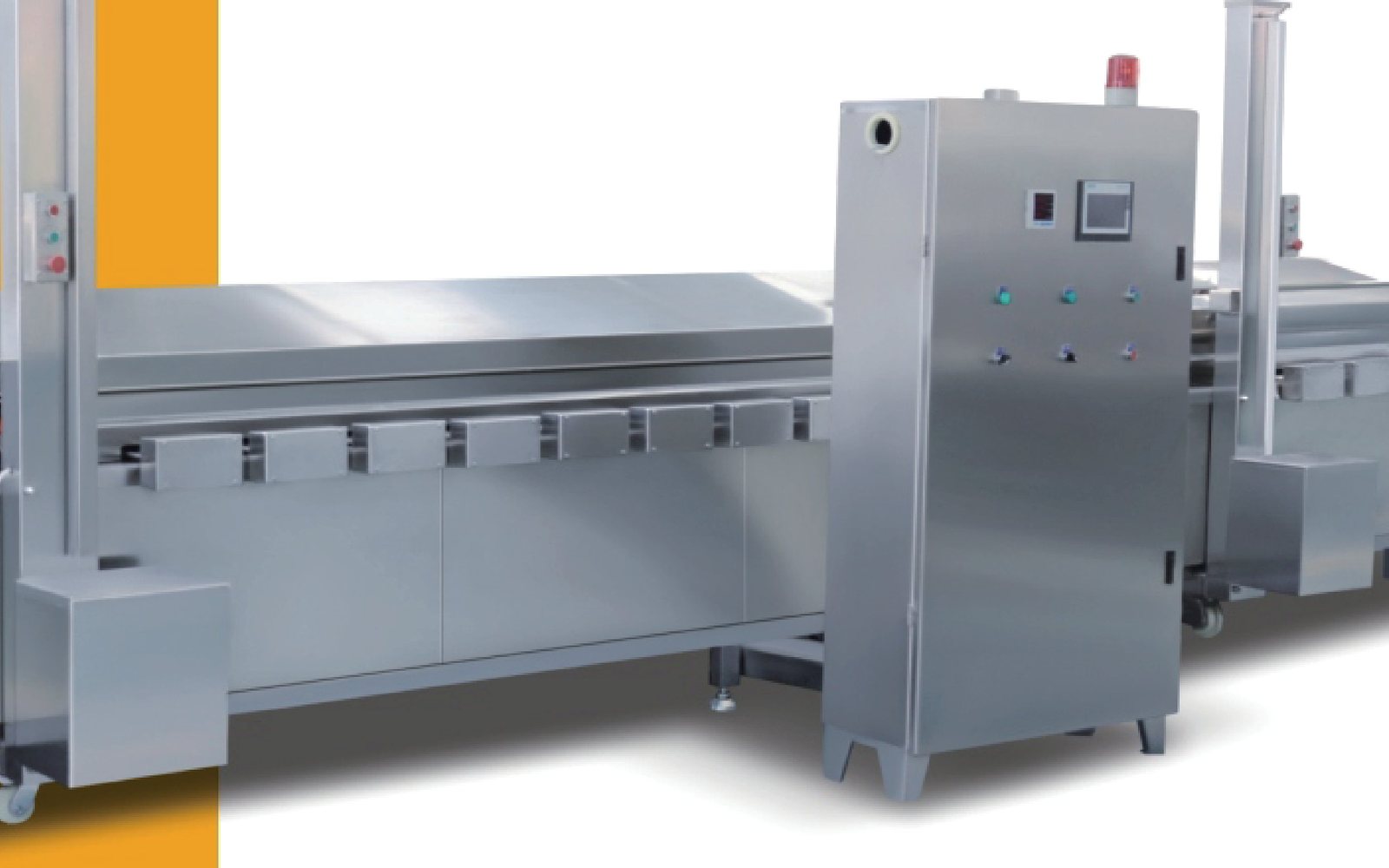
Review Heating Architecture With Oil and Maintenance Duties
Hadof's engineering comparison identifies three heating-architecture families. The notes below express design trade-offs, not guaranteed operating cost, oil life or product quality.
In-tank electric heating
Potential fitSites with an appropriate electrical supply and limited footprint
Review closelyConnected load, element access, oil volume and cleaning method
Project consequenceUtility demand and operating schedule must be calculated together
Gas or liquid-fuel combustion path
Potential fitProjects using an available combustion fuel and integrated fryer body
Review closelyBurner, exhaust, fire safety, internal access and sediment cleaning
Project consequenceFactory ventilation and maintenance responsibilities expand
External heater with internal heat exchanger
Potential fitHigher-duty projects where a separate thermal loop is justified
Review closelyExternal piping, thermal fluid, controls, footprint and service access
Project consequenceMore interfaces require a complete responsibility matrix
Review the heating architecture together with the oil and maintenance duties. The heat source, whether electric, gas or thermal oil, must match the oil volume, the temperature recovery and the energy cost at your site, and it must be serviceable. The heating decision is an operating-cost decision as much as a technical one.
Then link the heating to the oil system. The heat exchanger, the oil pump and the filtration loop must keep the oil clean and at temperature through a cold-product surge, and the oil change schedule depends on how well they do that. A fryer with cheap heating but poor oil life costs more over a year than the purchase price suggests.
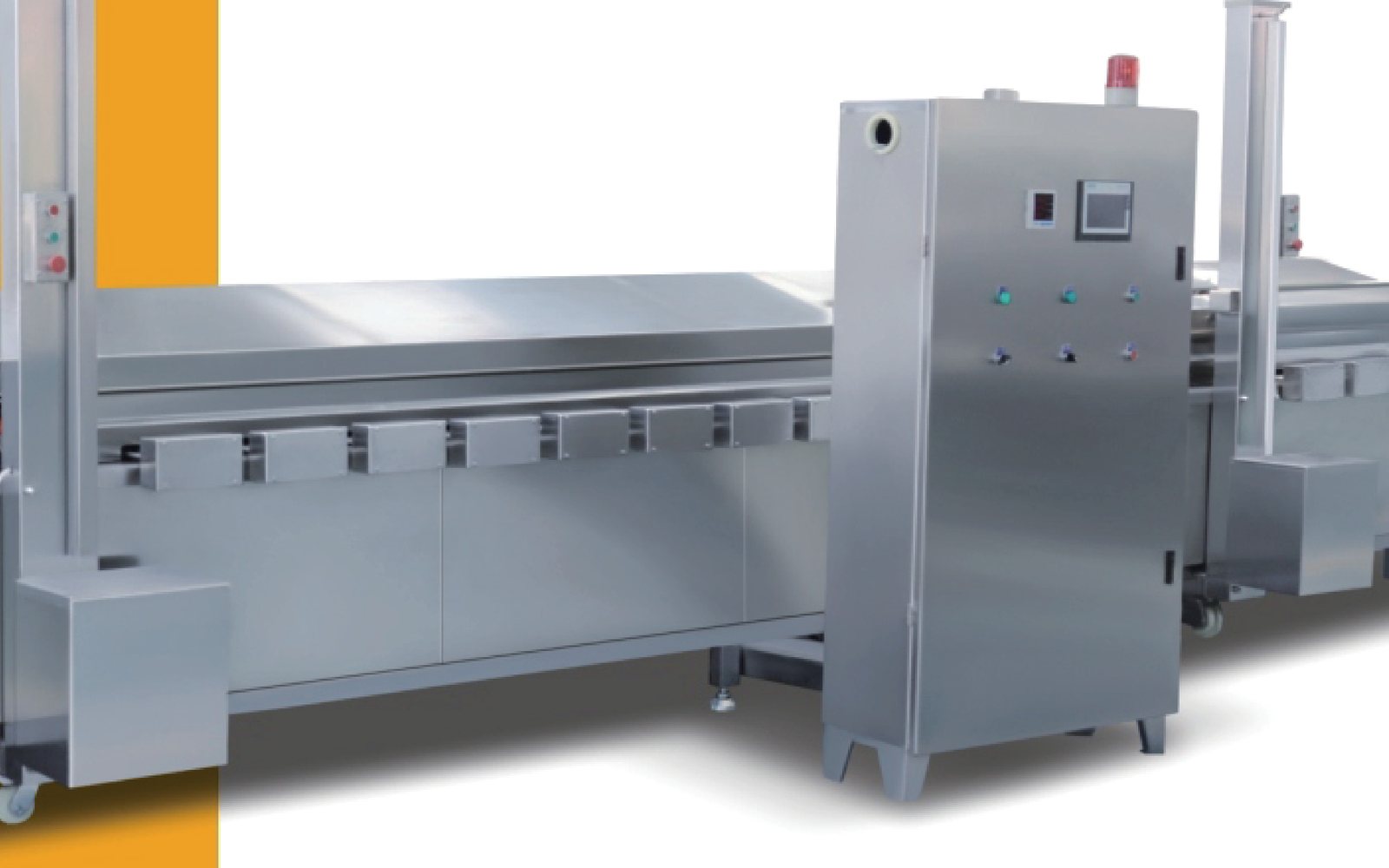
Build an Equipment Combination From Required Duties
Include only the modules the approved product route needs, then define every transfer, control signal and utility connection.
Wash and condition
For vegetable, potato or other products that require a defined wet-preparation duty.
Form, batter and bread
Connect forming and coating only when the finished-product recipe requires it.
Continuous fryer
Compare named model values against product loading, heating and oil-system scope.
Cool and season
Balance cooling, dosing and packing handoff with the actual fryer discharge.
Implementation and acceptance
Build the equipment combination from the required duties, not from a default machine list. List what the line must do: prepare, coat or not, fry, de-oil, cool, season and pack, then select equipment for each duty against the product basis. A duty that is not required should be omitted, and a duty that is required should be specified, not assumed.
Check each selection against the product and the handoffs around it. The fryer is chosen for the thermal duty, the de-oiling stage for the oil target, the cooler for the packing temperature and the packer for the pack format. When the combination is built from duties, the line can be defended stage by stage.
When each duty is specified, the combination can be defended stage by stage.
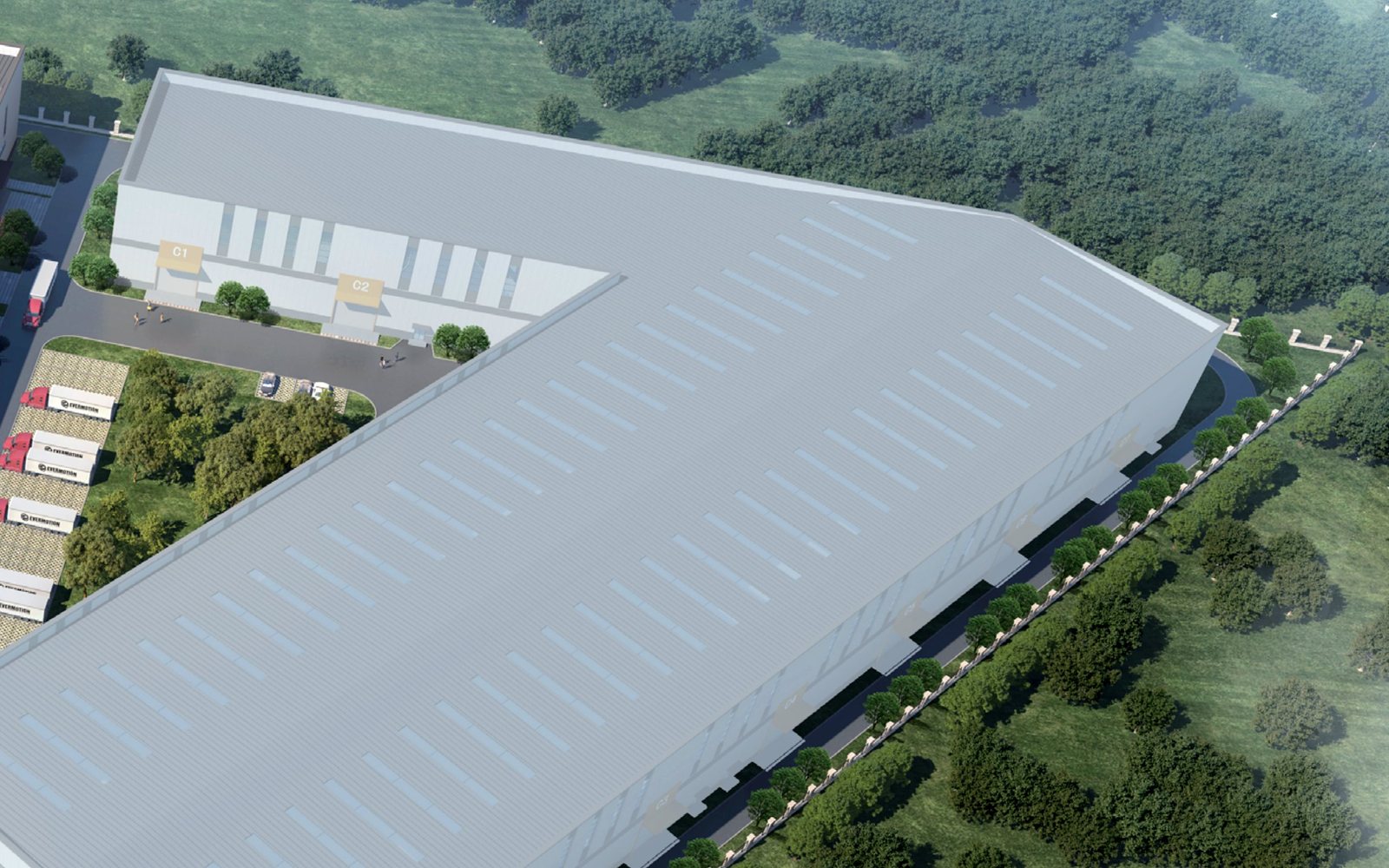
Convert the Route Into a Deliverable Project Scope
Factory integration begins before final model selection. Approve the product and process basis, freeze the layout and interfaces, then carry those decisions into fabrication review, FAT, packing, delivery and commissioning.
| Scope approval | Named equipment, transfers, controls, utilities, exclusions and buyer-side work |
|---|---|
| Quality review | Materials and fabrication records available for the selected scope |
| Test basis | Representative product or agreed substitute, loading, duration and inspection method |
| Site handoff | Readiness checklist, lifting, utilities, installation, training and acceptance sign-off |
Convert the route into a deliverable project scope with named boundaries. Write which machines are supplied, which utilities are included, and where one supplier's responsibility ends and the next begins. A frying line crosses preparation, thermal processing, utilities and packing, and the scope is what prevents those boundaries from becoming disputes.
Include commissioning, training and the first service interval in the scope. A line that is delivered but not commissioned is not a working line, and the operators must be trained on the fryer, the oil system and the controls before handover. The deliverable is a running line, and the scope must say so.
The deliverable is a running line with trained operators, and the scope must say so.
The scope is what prevents those boundaries from becoming disputes during commissioning.
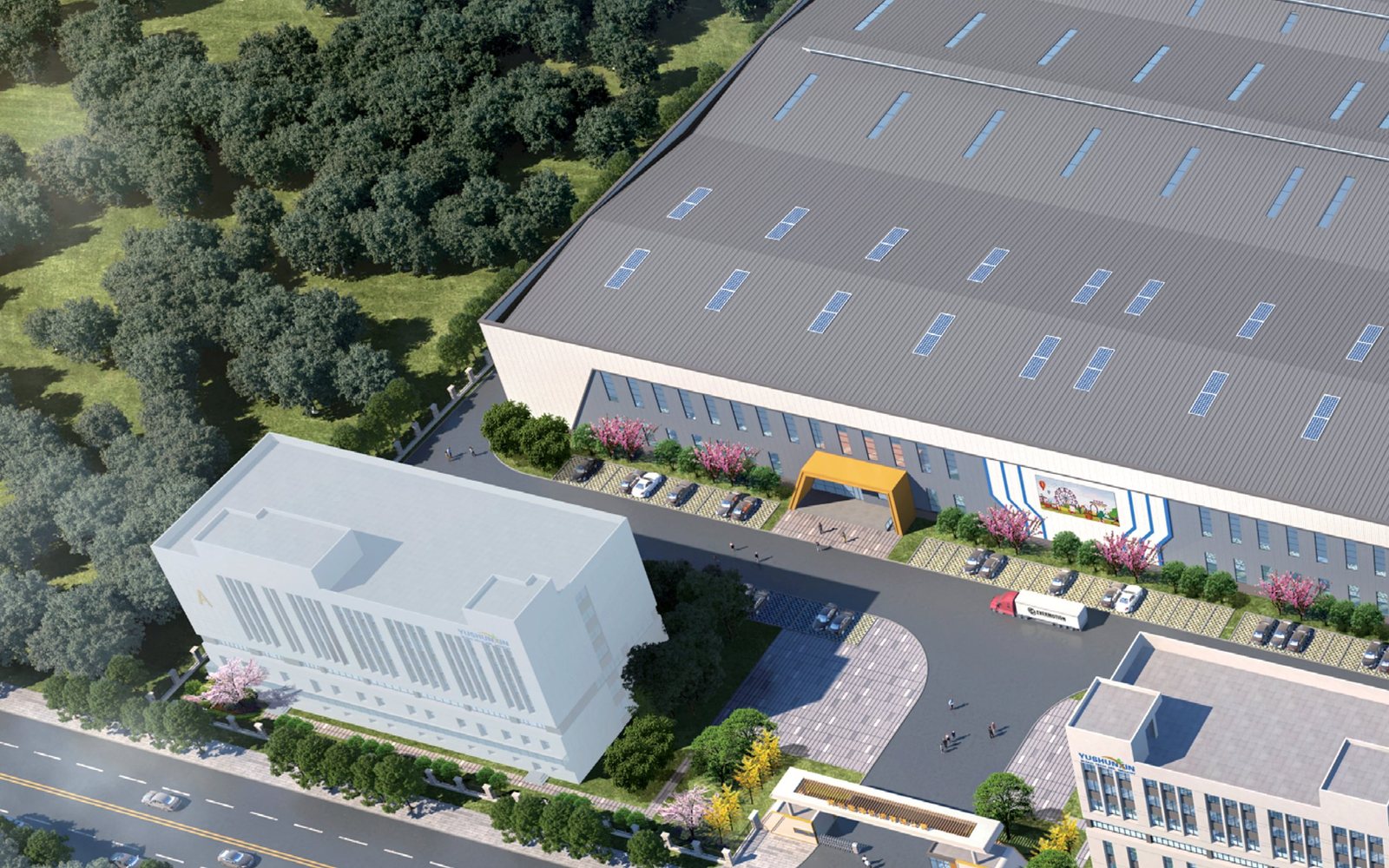
Keep Evidence, Quotation Scope and FAQ Together
The commercial review should use the same finished-product basis, equipment combination, factory interfaces and acceptance method as the technical review. Price follows the selected scope; no lowest-price claim is made.
Keep the evidence, the quotation scope and the FAQ together so the decision does not drift. The evidence shows what has been proven, the quotation shows what is included, and the FAQ answers the practical questions about cleaning, oil life and changeover. Read together, they tell the buyer what is claimed, what is excluded and what to ask next.
Use the record to compare quotations fairly. Two frying lines with the same headline capacity can differ enormously in filtration, heating, controls and after-sales, and those differences only appear when the evidence and the scope are read side by side. The record is what turns a price into a decision.
Read together, those three records tell the buyer what is claimed, what is excluded and what to ask next.
Two frying lines with the same headline capacity can differ enormously in filtration, heating and after-sales, and those differences only appear when the records are read side by side.
The record is what turns a price into a decision.
Read side by side, they keep the decision honest.
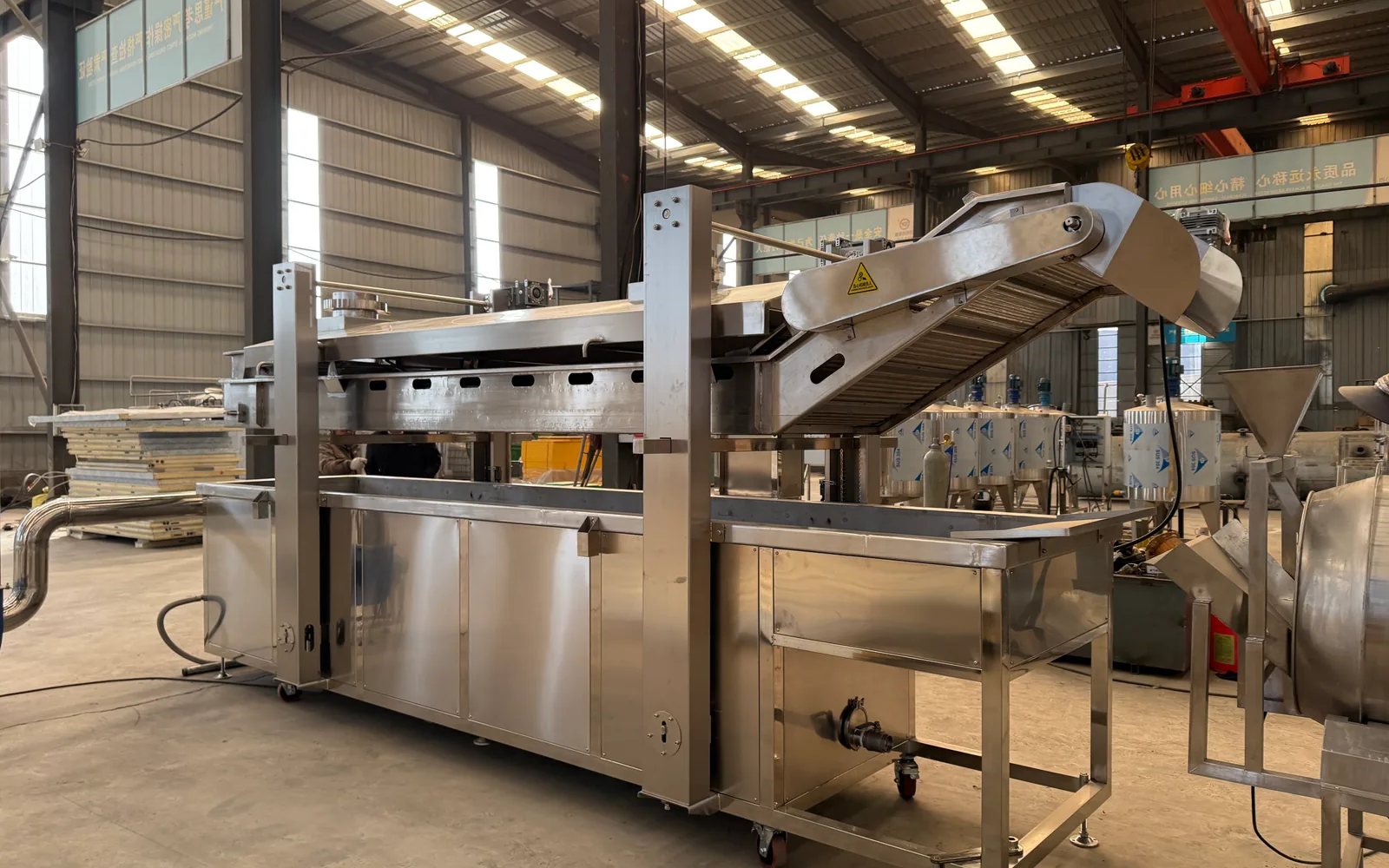
Send the Food, Production Plan and Factory Basis
A useful inquiry makes the product route and unresolved interfaces visible. Attach representative product information and identify the decision stage.
- Finished productFood, geometry, recipe, color, texture and pack state
- Operating planRequired output, hours, batches, recipes and changeovers
- UtilitiesElectrical supply, fuel, extraction, water, drainage and compressed air
- Project scopeUpstream and downstream duties, layout, controls, testing and support
| Heating architecture references | Direct electric / internal combustion / external heat-transfer loop |
|---|---|
| Continuous fryer references | HDF-4000 / HDF-5000 / HDF-6000 / HDF-8000 |
| Required product basis | Food, geometry, coating or surface condition, feed state and finished result |
| Required factory basis | Heat, extraction, oil system, water, drainage, layout, controls and downstream duty |
Frequently asked questions
What is required to configure a complete fried-food processing line?
How should fryer heating architectures be compared?
Why must oil handling be included in line review?
Can cooling, seasoning or IQF freezing be added after frying?
What should the FAT record for a fried-food line contain?
Before requesting a model, send the food, the production plan and the factory basis together. Name the product and its moisture, size and coating, the required output and the shift pattern, and the utilities, floor space and drainage available. This single input set lets the supplier size the fryer, the oil system and the conveyors as one duty.
Keep the same input set attached to the quotation and the acceptance test. The product the line must fry, the output it must hold and the site it must fit should be identical in the enquiry and the final acceptance, so the buyer holds the supplier to a written basis instead of a remembered conversation.
Related pages
Continuous Fryer
Compare verified Hadof continuous fryer references, then review product loading, heating route, oil handling, factory interfaces and acceptance scope.
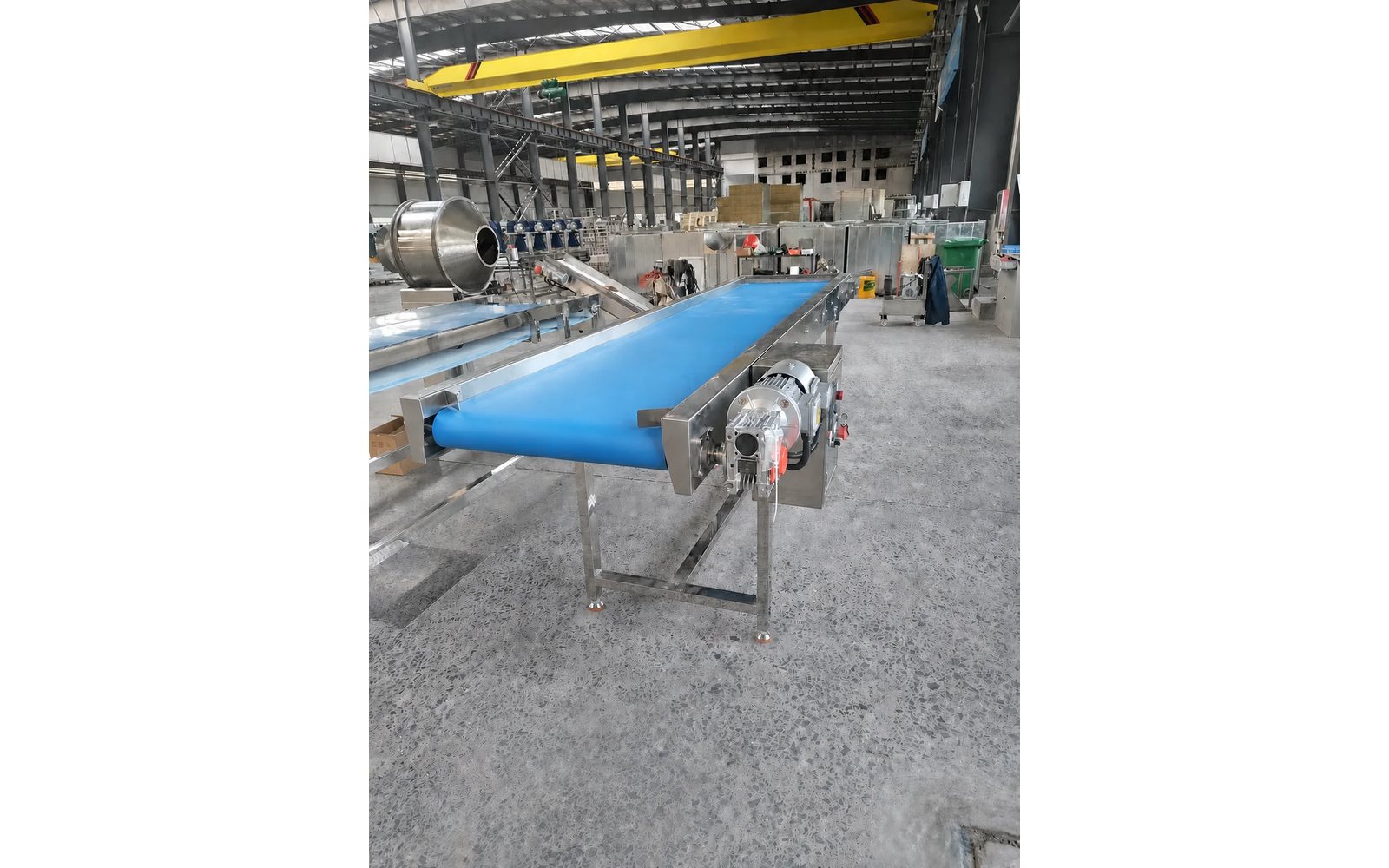
Food Processing Conveyor
Configure food conveyors by product condition, transfer geometry, loading, cleaning, controls, interface risks and project acceptance requirements.
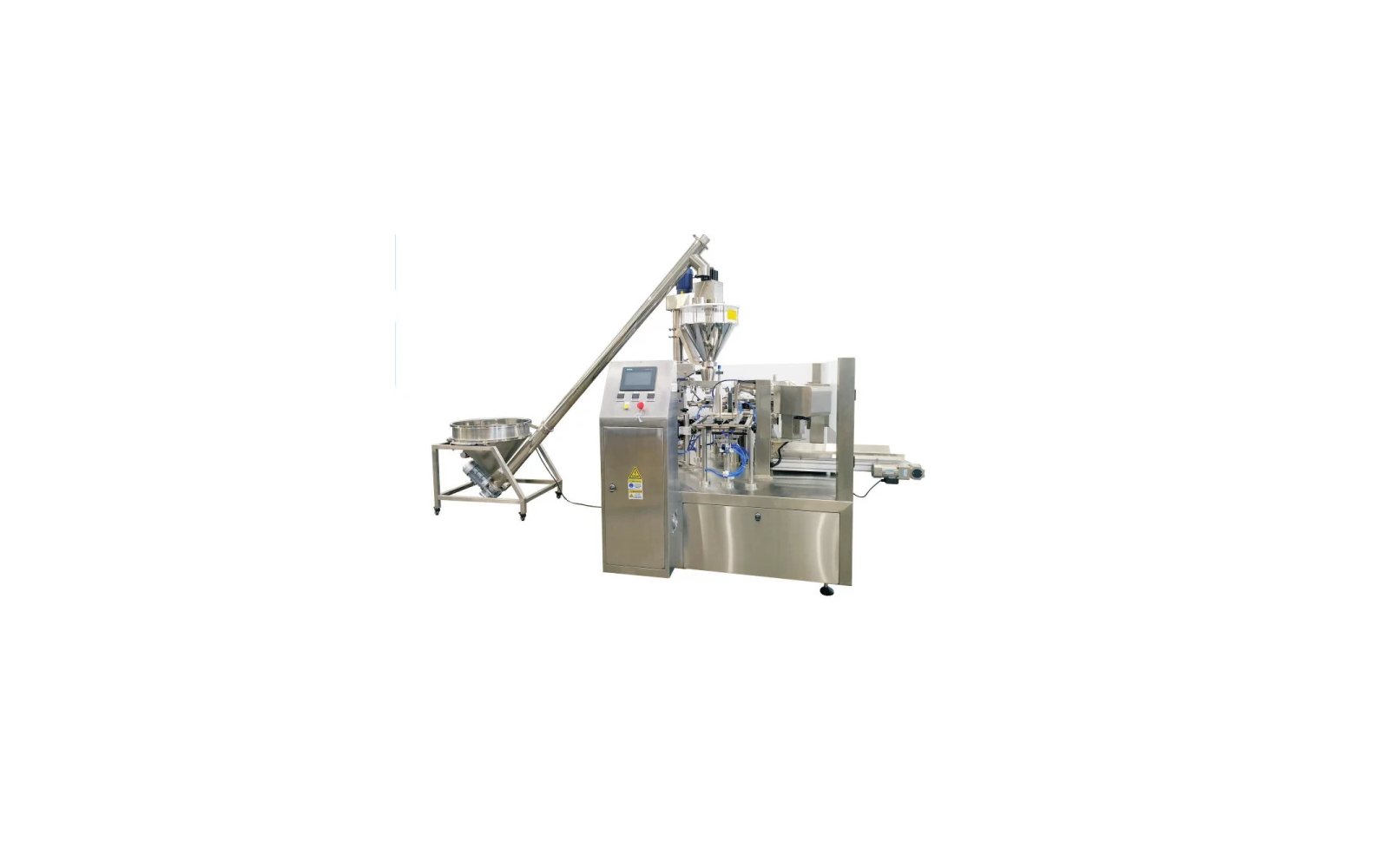
Premade Pouch Packaging Machines
Compare HDF premade pouch machines for powder and granules by bag size, dose, speed, accuracy reference, power, air and metering configuration.
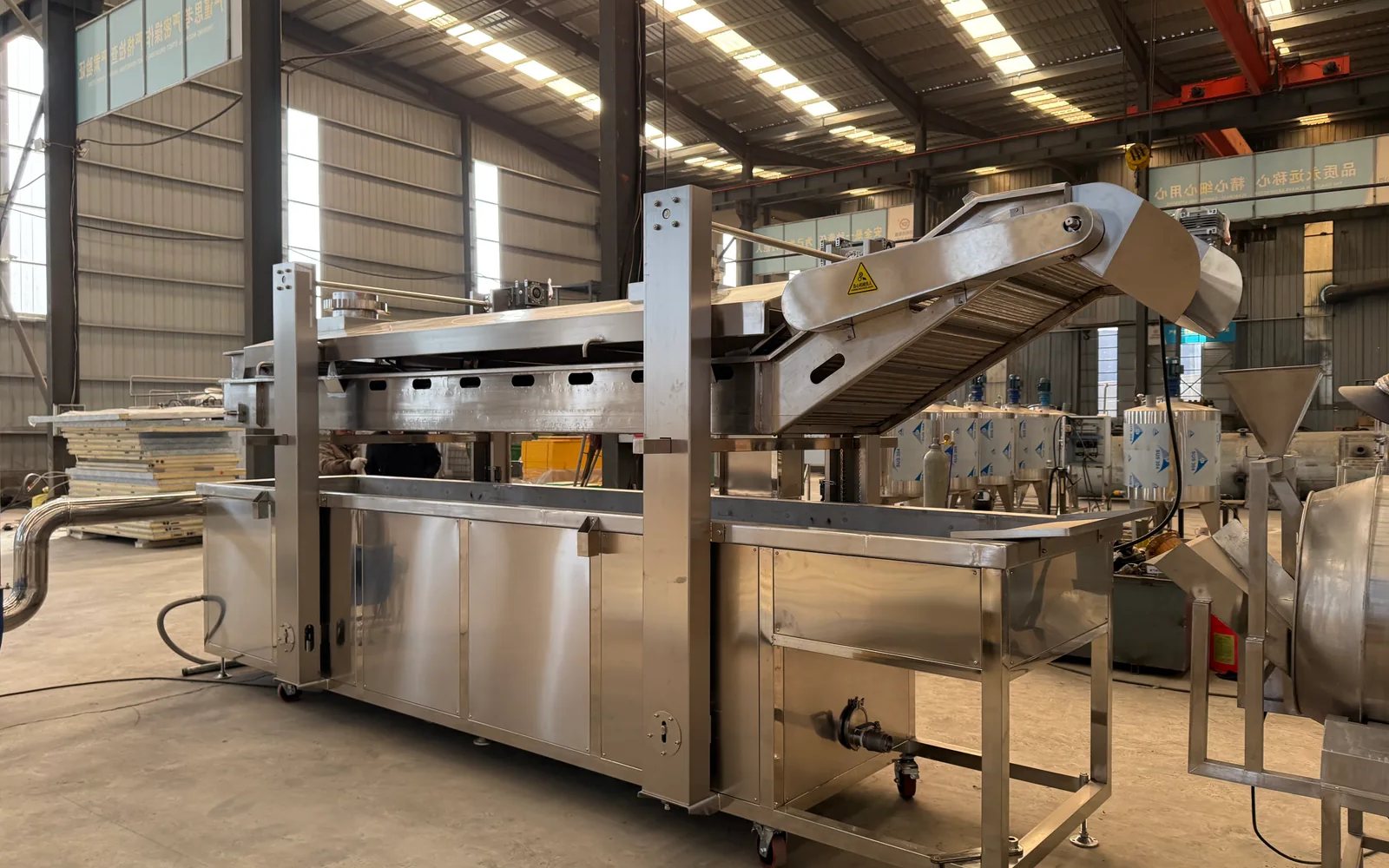
Continuous Fryer Selection Engineering
Understand how product condition, loading, heating route, oil management, factory interfaces and acceptance criteria drive continuous fryer selection.
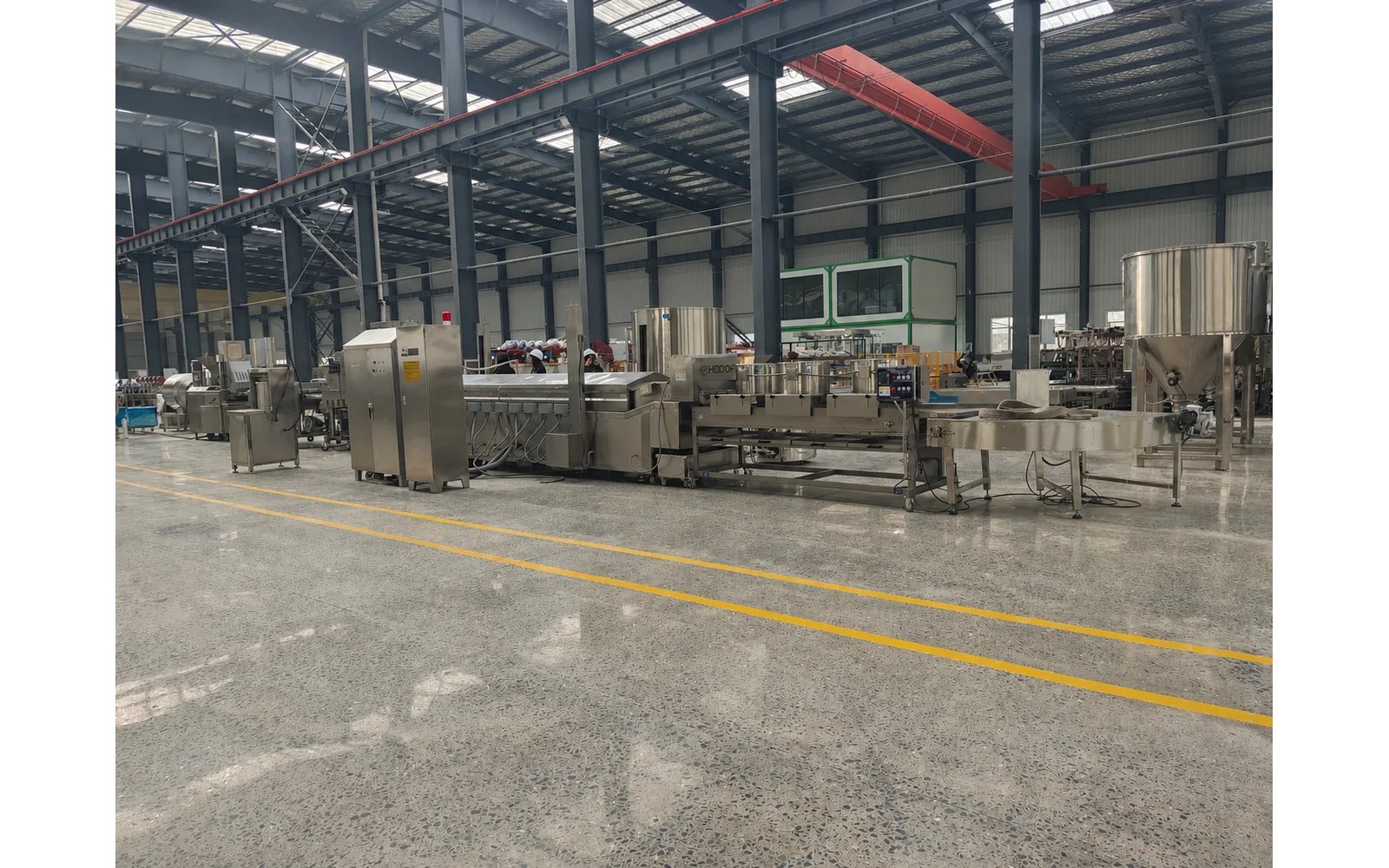
Compact Fried Snack Processing and Packing Line
A recorded end-user purchase connecting preparation, batch frying, de-oiling, seasoning and packing, documented without inventing output or operating resul

Continuous Fryer and Oil-Filtering Project
Review a verified Indonesia supply scope connecting a continuous frying machine with dedicated oil-filtering equipment and evidence limits.