
Industry route / Snack foods
Snack Food Processing Systems
Review the process, equipment duties and project boundary from one defined basis.
Different Snacks Need Different Control Priorities
Select the closest product family. Final process conditions and model selection remain tied to the representative product and agreed acceptance method.
Formed, battered or breaded
Keep geometry, pickup and frying load connected.
Start with dimensions, incoming temperature, coating sequence, pickup target, adhesion limit and required core/surface result.
Control cut uniformity and surface condition before frying.
Potato variety, solids, strip or slice geometry, treatment, surface water and feed distribution change the thermal duty.
Banana and plantain chips
Define maturity, peeling and slice behavior before thermal selection.
Representative raw material is required to review peeling loss, blade suitability, breakage and finished chip criteria.
Balance blanching, frying, de-oiling and seasoning by product.
Kernel size, skin condition, moisture, batch continuity, oil loading and seasoning application are project inputs.
Cross-machine control chain
Different snacks need different control priorities, and the line is built from the priorities, not from a shared machine list. A potato chip is controlled for moisture and colour, a coated snack for pickup and adhesion, a nut for oil content and texture, and a puffed snack for expansion and breakage. The control that matters most for one product is a minor issue for another.
Write the priority for your snack before comparing equipment. Name the attribute the customer notices first, whether it is crunch, colour, oil or seasoning, and the attribute that fails first in production. Those two attributes are what the line must control, and they choose which machines deserve the most attention and the most measurement.
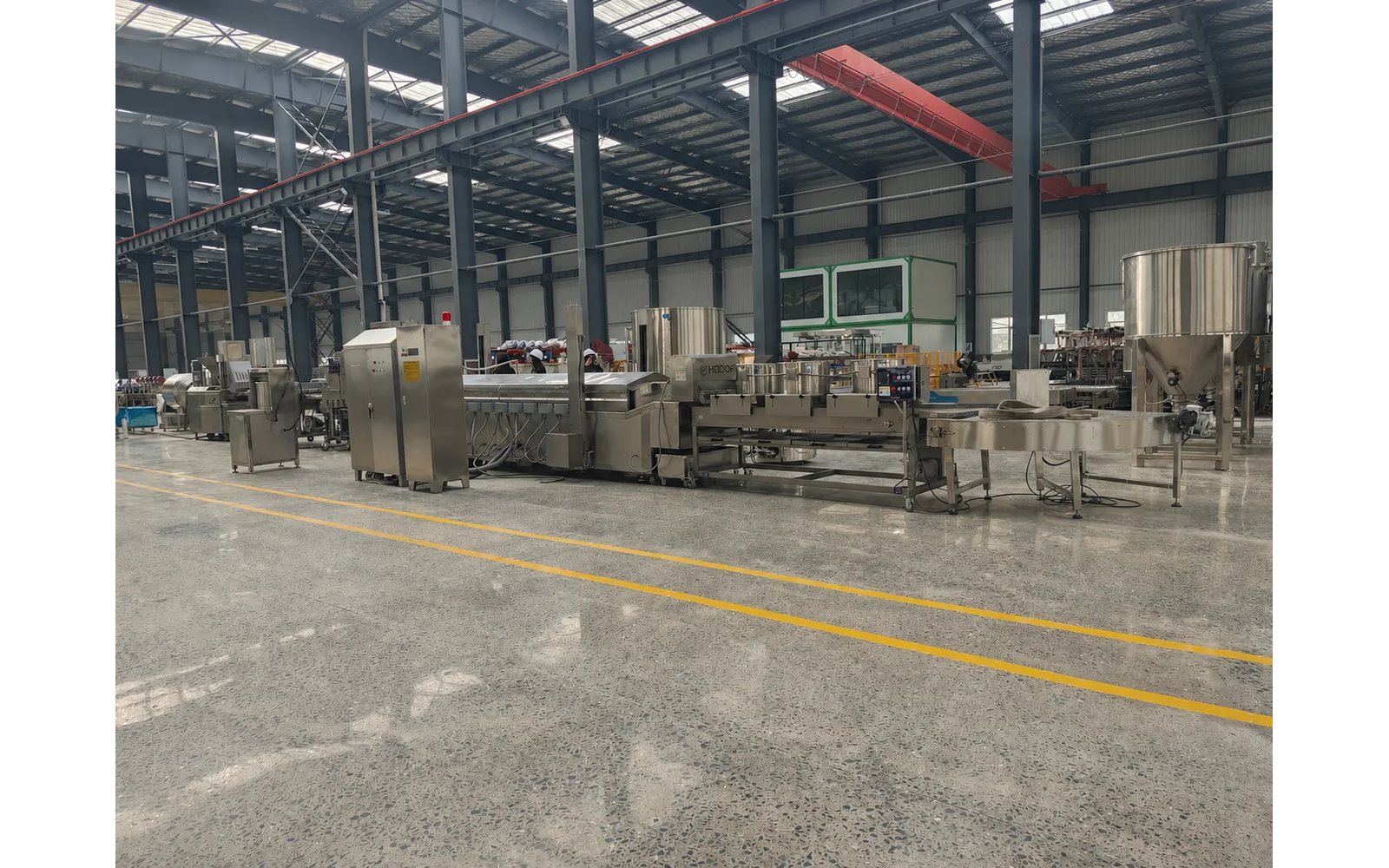
The Product Result Is Created Between Stages
Each transfer changes the next machine's feed condition. The review follows the product, not the equipment quotation order.
- 01Feed consistencySize, orientation, temperature and loading entering the process.Inspect product
- 02Surface preparationMoisture, batter or breading condition and adhesion before frying.Record pickup and loss
- 03Thermal loadingProduct-to-oil loading, residence basis and heat recovery requirement.Confirm test method
- 04Post-fry conditionOil removal, cooling, seasoning and packing temperature handoff.Set acceptance points
Feed consistency
Size, orientation, temperature and loading entering the process.
Surface preparation
Moisture, batter or breading condition and adhesion before frying.
Thermal loading
Product-to-oil loading, residence basis and heat recovery requirement.
Post-fry condition
Oil removal, cooling, seasoning and packing temperature handoff.
Equipment responsibility map
The product result is created between stages, not inside any single machine. The crunch of a chip is set by the slice thickness, the frying time and the moisture after cooling, and no one of those stages owns the result. If the line is reviewed machine by machine, the result that matters is never reviewed at all.
Follow the product through the whole route and measure it at the handoffs. Record the slice, the moisture, the oil and the colour at each stage, and trace how a change upstream moves the result downstream. The line is then tuned as a connected route rather than as a collection of separate machines.
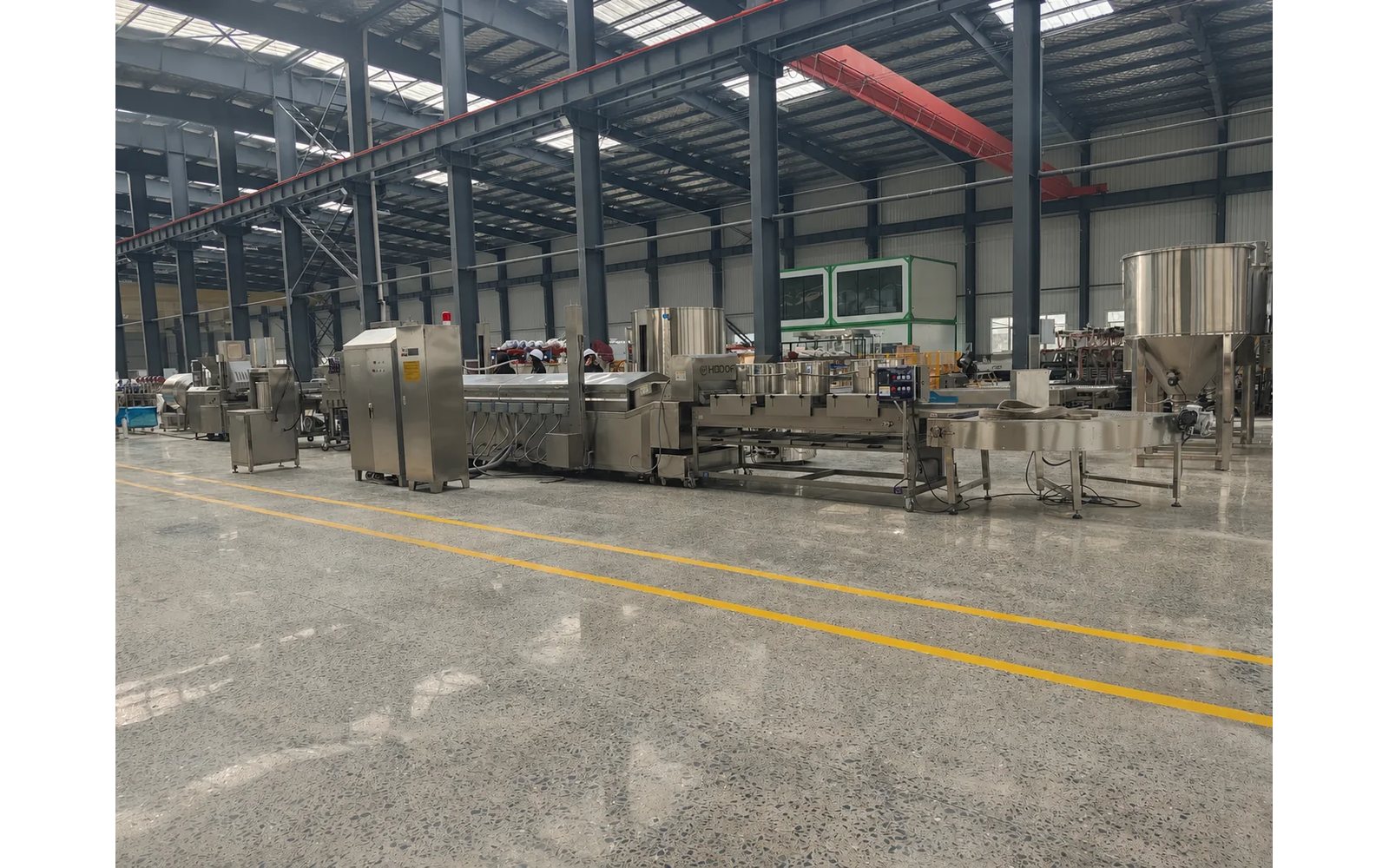
Compare Duties Before Comparing Models
Published catalog parameters are reference data. Product suitability, net line output and interfaces require a current technical review.
Forming and feed
AMF600-V / AMF600-IV / AMF400-II / AMF260-II references.
Slurry and crumb systems
NJJ, SJJ and SFJ families cover different application duties and belt widths.
Continuous or batch frying
Fryer selection starts from product loading and required result.
De-oil, cool, season and pack
Post-fry transfer protects texture and packaging conditions.
Compare the duties before comparing the models. Two fryers, dryers or seasoning systems with the same name can perform very different duties depending on the product, the loading and the controls, and the model comparison is meaningless until the duty is fixed. Write the duty first, then ask each model how it meets it.
Normalise the comparison on one product basis. State the snack, the output, the target moisture or oil and the shift pattern, and ask for the configuration that reaches those numbers. The comparison is then about the duty the line must perform, not about which catalog row has the most attractive photograph.
The comparison is then about the duty the line must perform, not about which catalog row looks best.
Ask for the configuration that reaches the written duty, and the comparison becomes a technical one.

Evidence Required Before Scope Lock
No output, food-safety, certification or finished-product conclusion is inferred from the industry name.
Certification notes are reviewed against the selected model and supplied documents. No blanket CE claim is made.
| Representative product | Raw or formed sample, dimensions, temperature and coating materials. |
|---|---|
| Acceptance criteria | Pickup, loss, core/surface result, color, texture, oil and packaging handoff. |
| Factory information | Power, heating source, extraction, water, drainage, cooling, footprint and access. |
| Commercial boundary | Included equipment, controls, spares, installation, commissioning and documentation. |
Require the evidence before the scope is locked. A snack line is an expensive commitment, and the claims made for it should be backed by a trial on your product before the quotation is signed. Without a trial, the scope lock is a bet on a brochure rather than a decision on evidence.
Define what the trial must show. Write the target moisture, oil, colour, texture and output, run the trial with representative product, and keep the measured results. The same numbers then become the acceptance criteria, so the line is locked on the same evidence it will be accepted against.
The same measured numbers become the acceptance criteria, so the line is locked on the same evidence it will be accepted against.
Continue the Technical Review
Indonesia Chicken Nugget Frying Line
Review only the project scope documented in the transaction source.
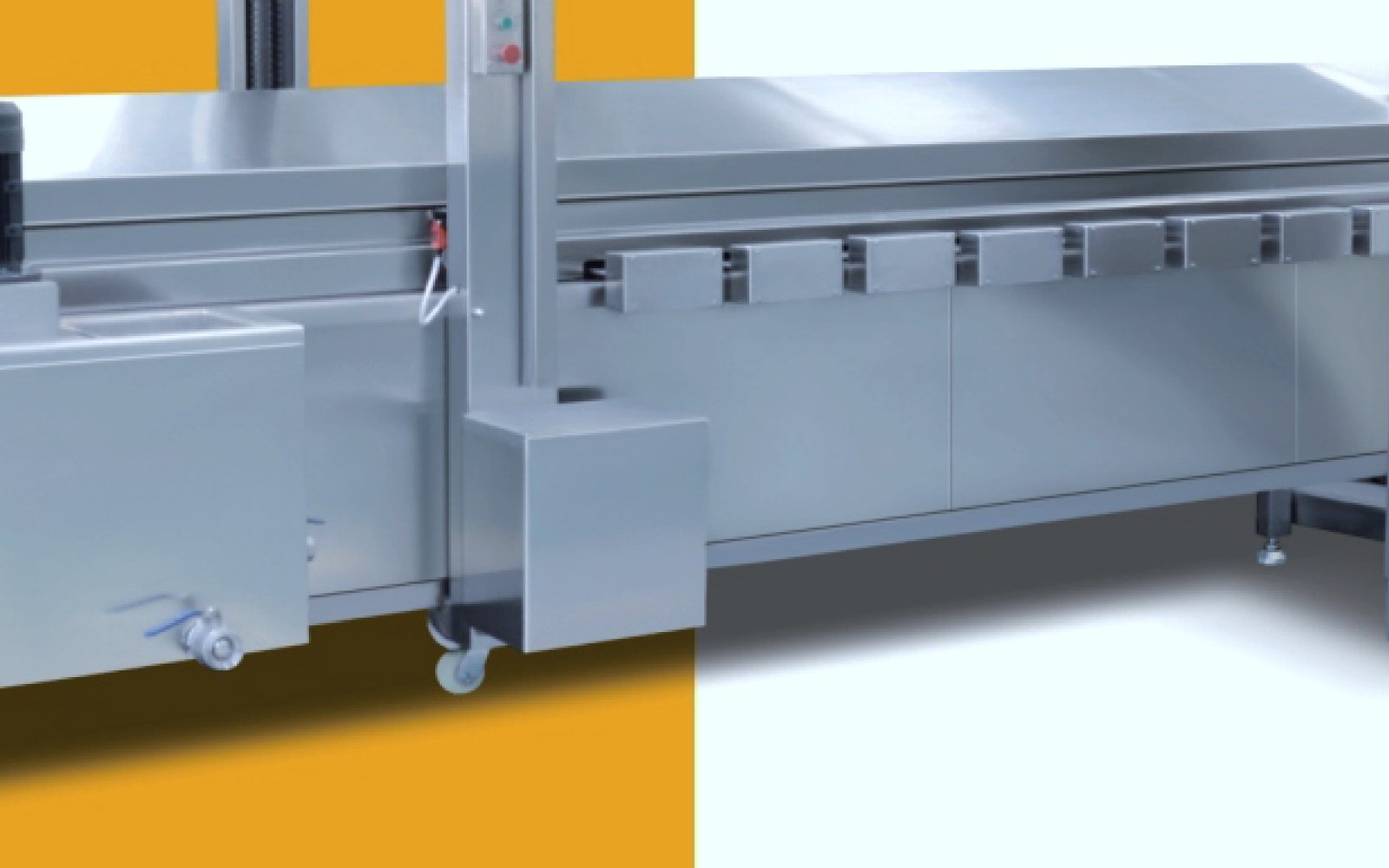
Continuous Fryer Model Review
Compare catalog-backed electric and gas references with product limits.
Food Processing Project Brief
Prepare product, output, utilities, layout and acceptance inputs.
| Product input | Provide product family, geometry, feed condition and representative samples |
|---|---|
| Sizing input | Provide kg/h, operating hours, shifts and changeover frequency |
| Acceptance input | Define texture, color, coating, seasoning and pack-handoff criteria |
Frequently asked questions
What defines a snack food processing route?
What evidence is needed before equipment selection?
Which stages should be compared as one snack-food system?
Continue the technical review through the details that decide a snack line. Confirm the oil filtration and turnover, the seasoning accuracy, the cooling before packing and the changeover between flavours, and ask how each is measured and maintained. The first equipment list is only the beginning of the review.
Keep the questions open until the evidence answers them. A snack line crosses frying, drying, seasoning and packing, and each boundary deserves the same scrutiny as the machines themselves. The review is complete when the buyer can defend each machine and each boundary with evidence.
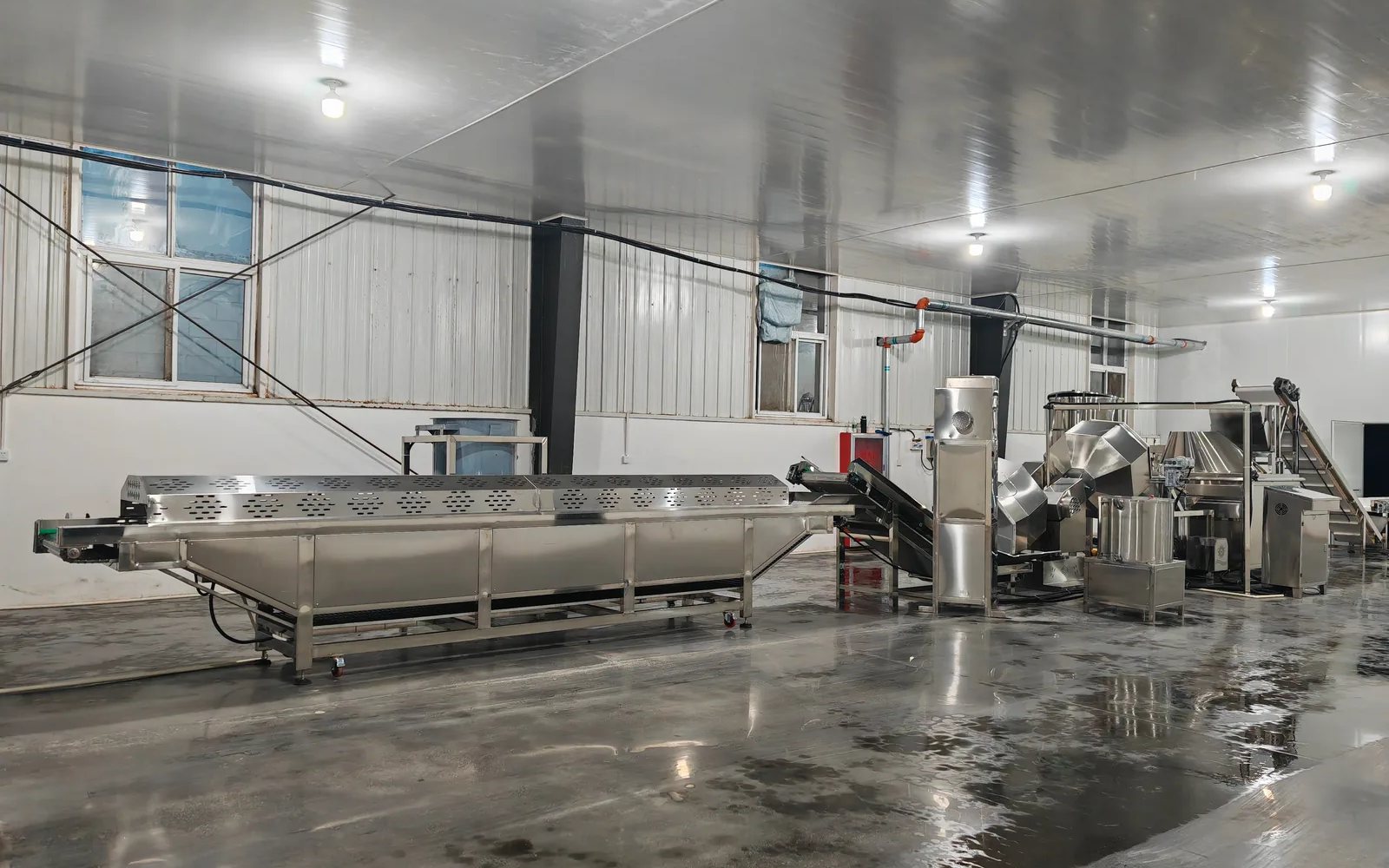
Design the Flavour System Into the Line
Seasoning is a product decision
Design the flavour system into the line instead of bolting it on at the end. The seasoning method, the dosing accuracy and the changeover between flavours all affect the finished product and the line's flexibility, so they are part of the line design from the start. A snack line that cannot change flavours quickly is limited no matter how well it fries.
Specify the seasoning duty with the product. State the flavours, the target pickup and the uniformity you require, and test the seasoning with the actual snack. The flavour system is then accepted against the same measurement as the rest of the line, and the seasoning result is part of the project evidence.
State the flavours, the target pickup and the uniformity you require, and test the seasoning with the actual snack. A line that cannot change flavours quickly is limited no matter how well it fries, so the flavour system is part of the line design from the start.
The seasoning result is part of the project evidence, accepted against the same measurement as the rest of the line.
Specify the seasoning duty with the product, and the flavour system is judged like every other stage.
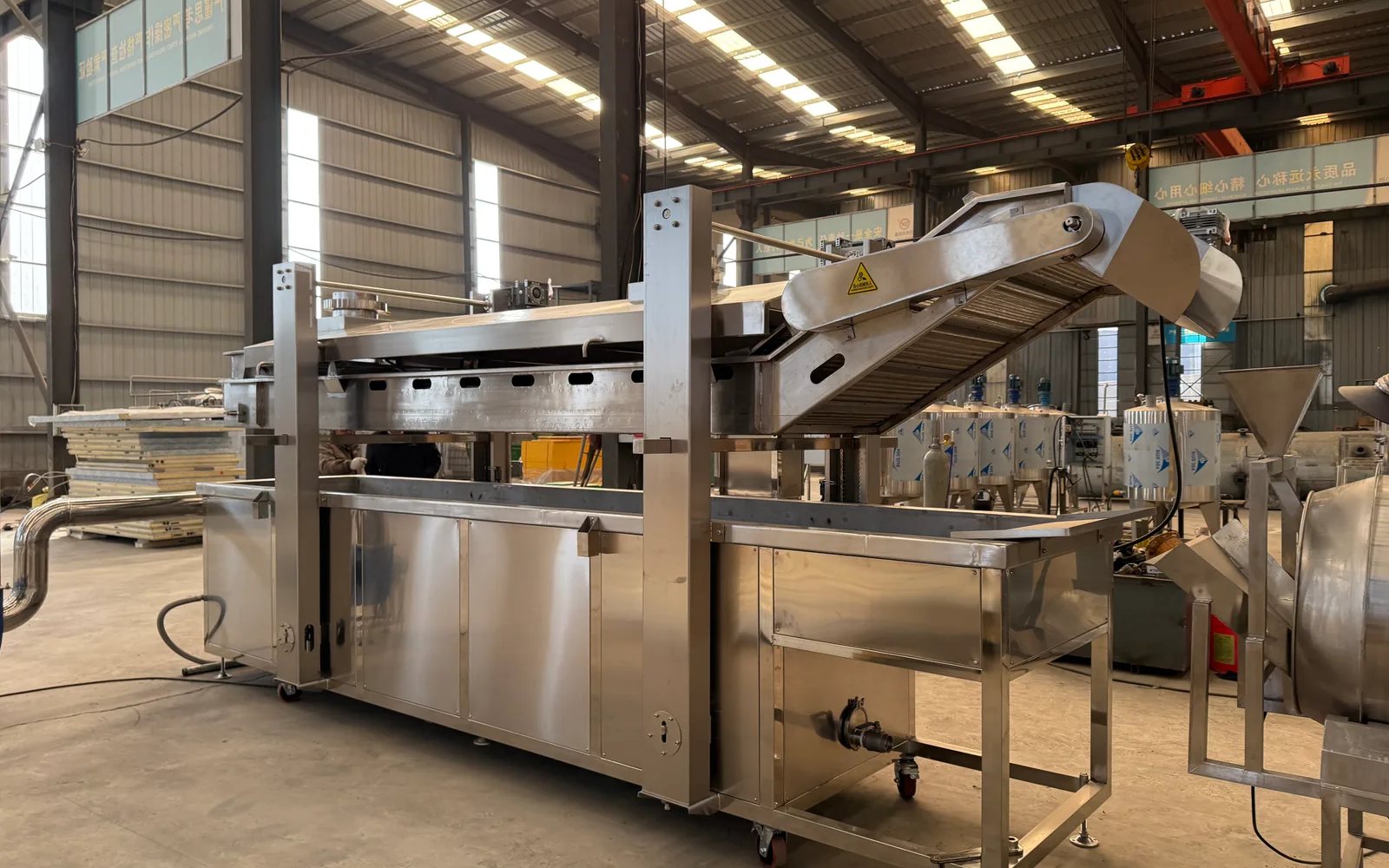
Related pages
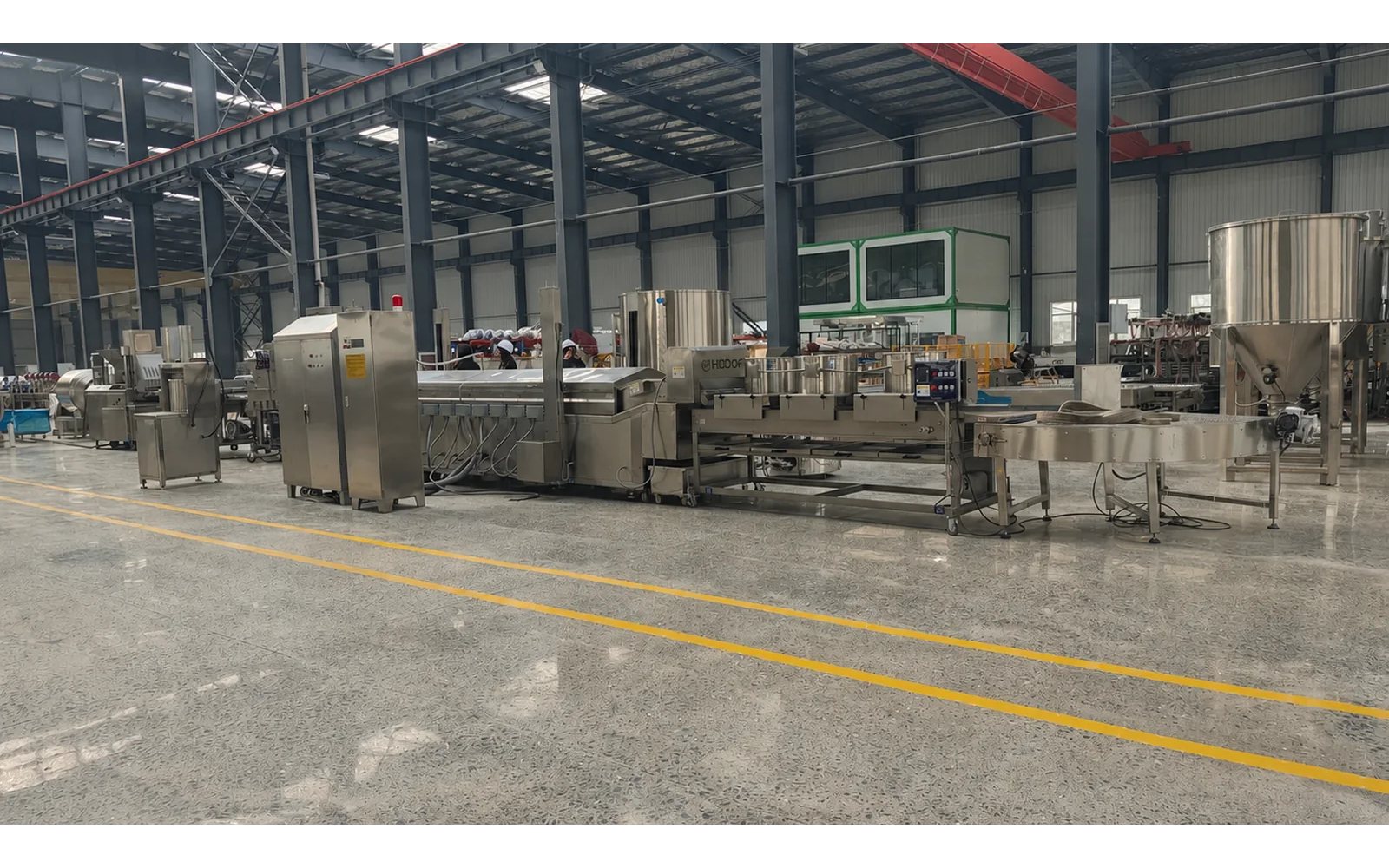
Potato Chips Production Line
Define the potato, finished chip and factory boundary before connecting preparation, frying, seasoning and packaging feed.
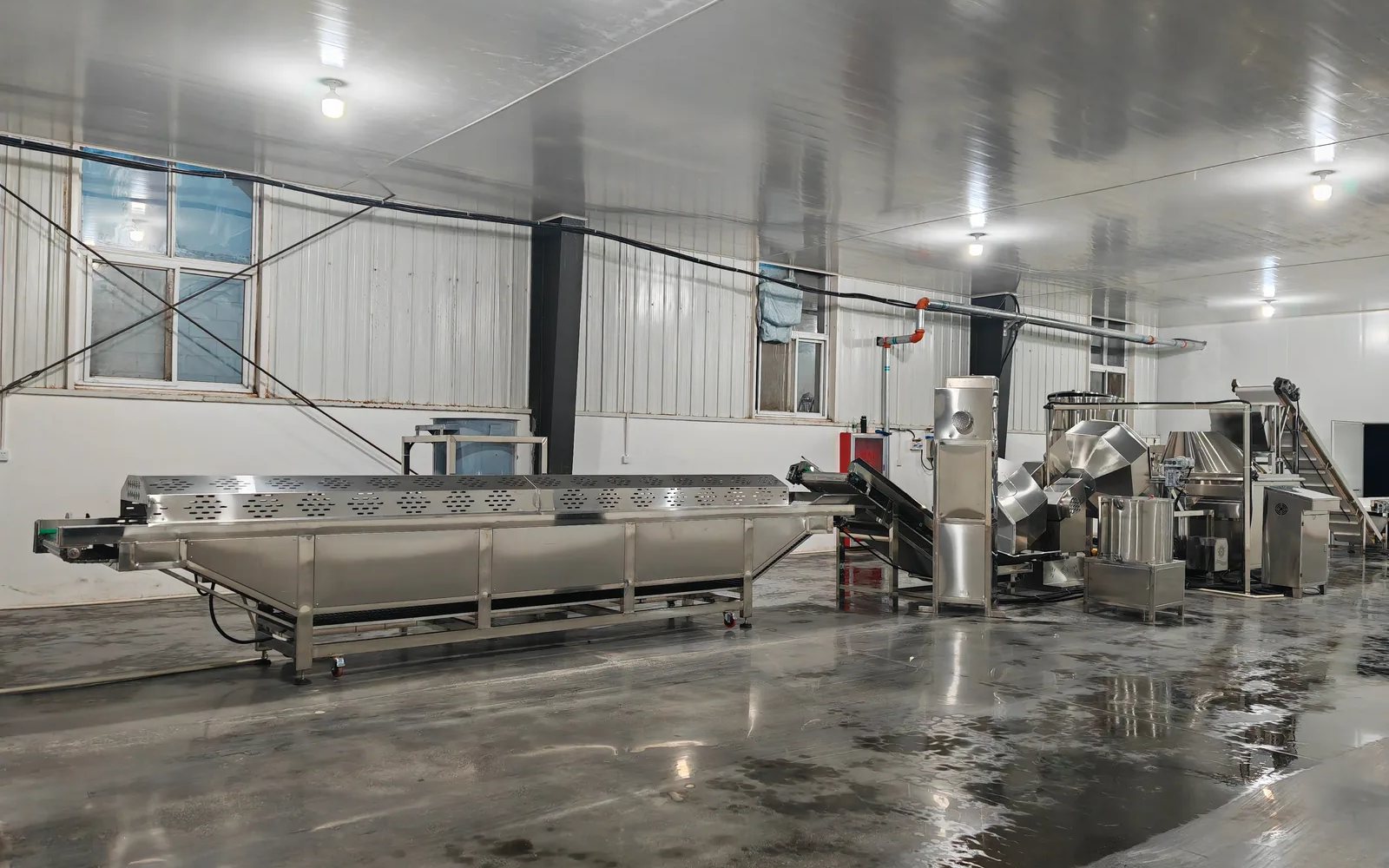
Nut Frying Production Line
Configure nut and bean feeding, frying, oil handling, seasoning, cooling and packing around product evidence, utilities and acceptance criteria.
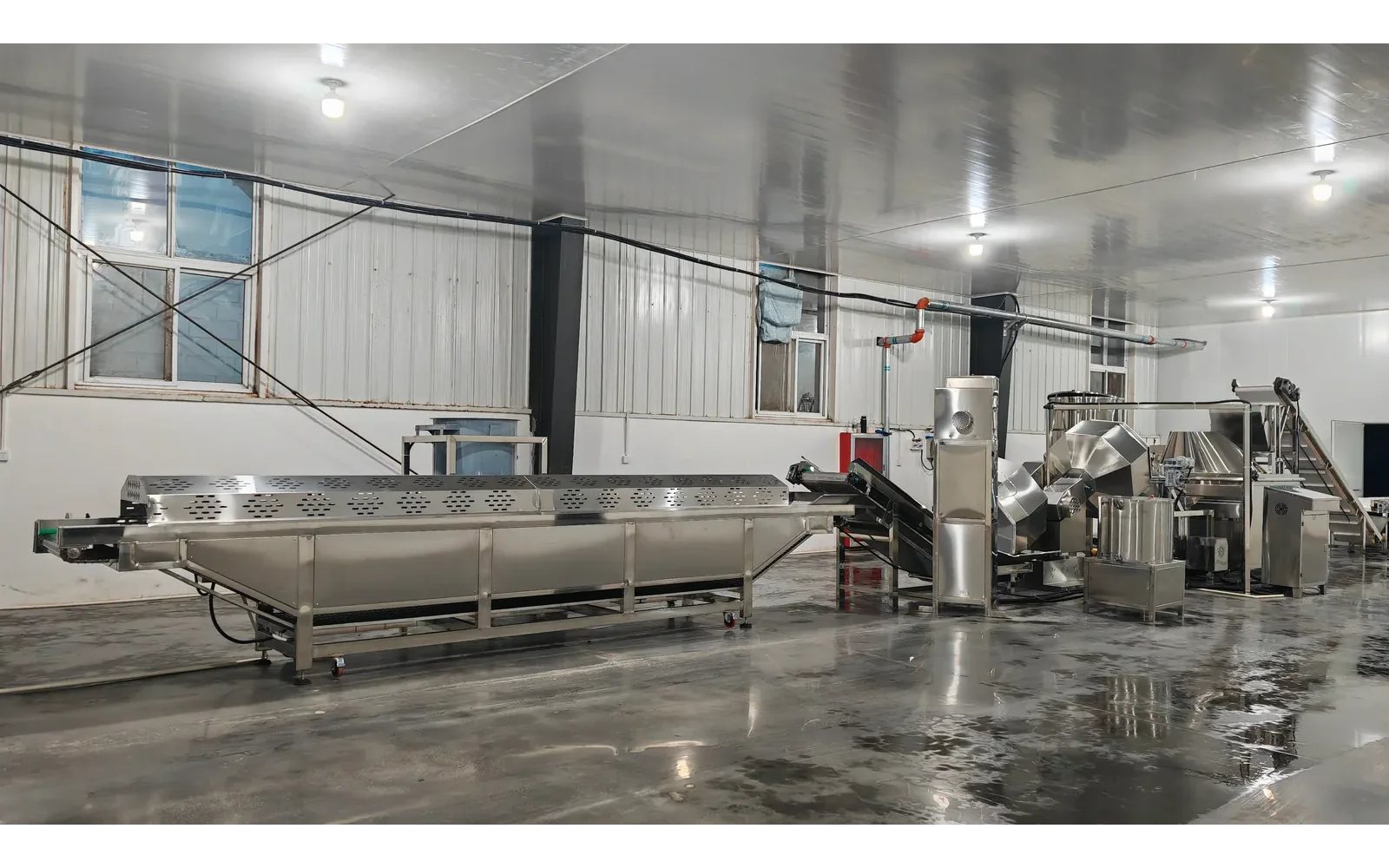
Snack Food Seasoning System
Compare batch and continuous snack seasoning routes, Hadof catalog model references, dosing controls, line interfaces and acceptance criteria.
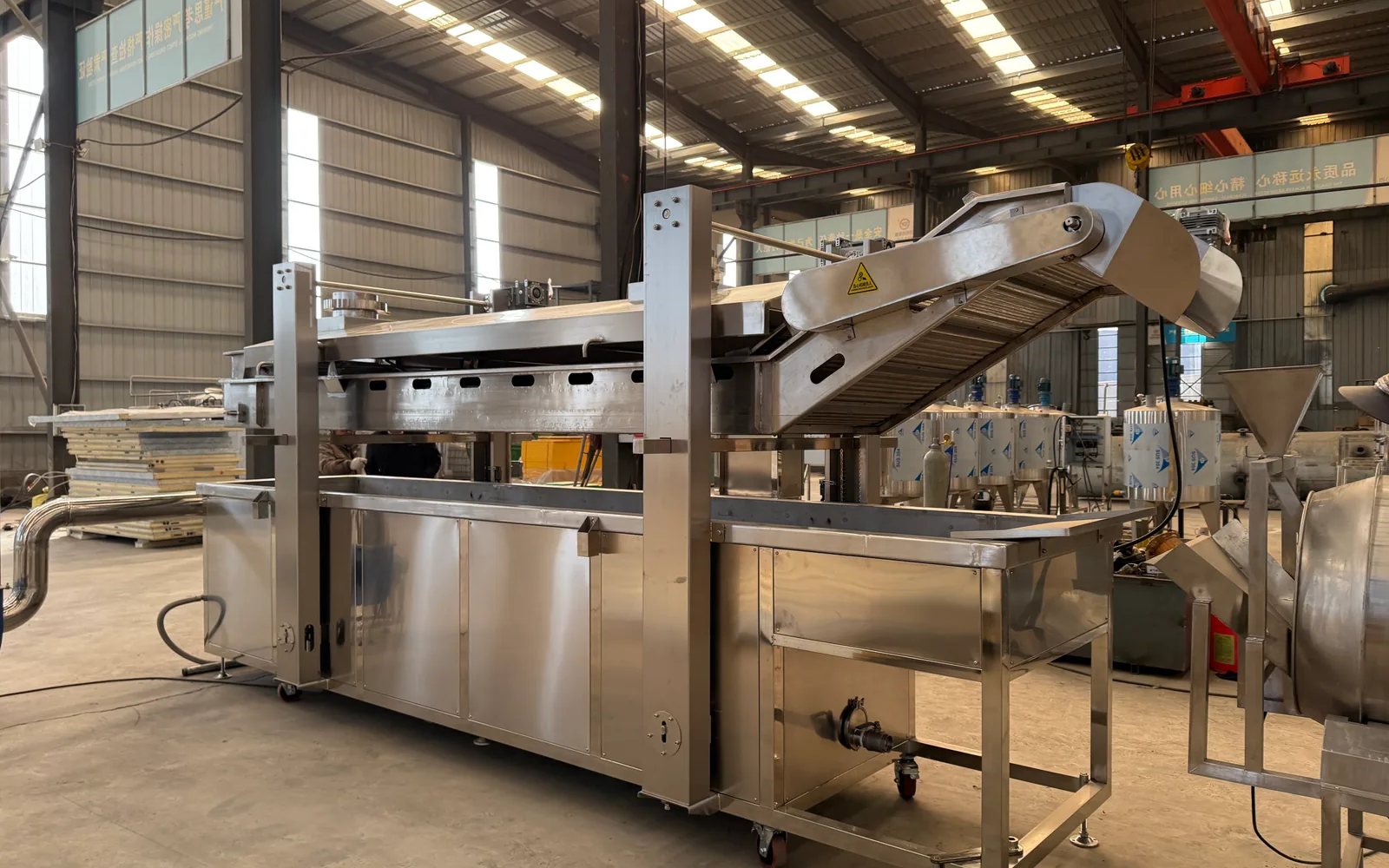
Continuous Fryer
Compare verified Hadof continuous fryer references, then review product loading, heating route, oil handling, factory interfaces and acceptance scope.
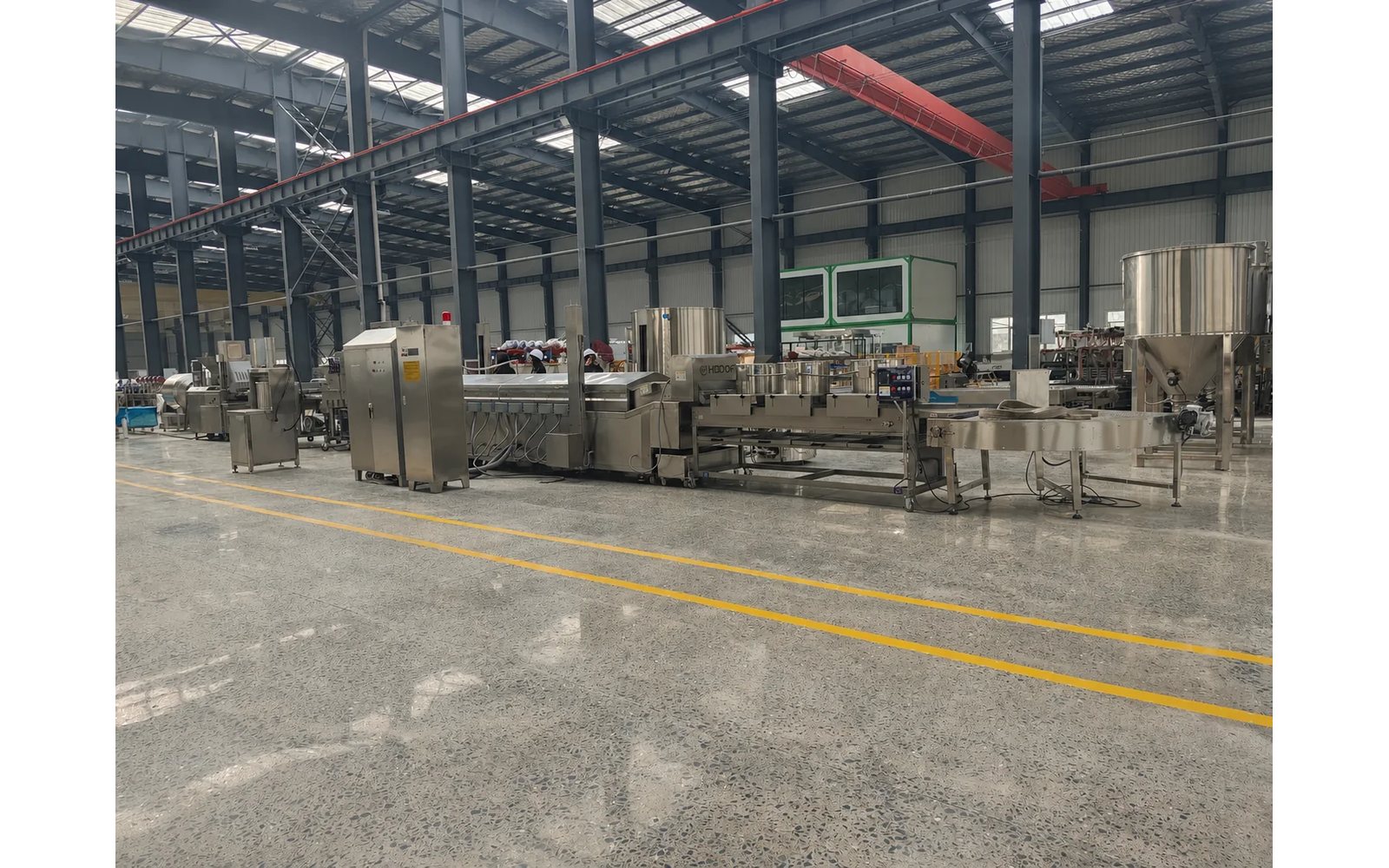
Potato Snack Line Stability Review
Trace potato chip variation across raw material, slicing, surface condition, frying, oil handling, finishing, testing and acceptance records.