
Decision questions
Potato Snack Line Stability Review
Review the process, equipment duties and project boundary from one defined basis.
Which Variable Is Actually Driving Potato Chip Variation?
Technical question and source basis
Color, texture, oil carry-over, breakage and seasoning behavior can change because of raw potato condition, slice geometry, rinsing, surface water, feed loading, thermal duty, oil circulation, de-oiling, cooling or packaging handoff. Published Hadof product information identifies continuous fryer references and related fried-food process duties, but it does not provide a universal recipe or finished-product guarantee.
The technical task is therefore to hold the product and observation method constant, trace the variation at each handoff, and change one review variable at a time.
Find which variable is actually driving the variation before adjusting the line, because a potato chip line has many inputs and they interact. The slice thickness, the surface moisture, the fryer temperature and the oil condition all move the finished chip, and adjusting one while the true driver is another simply adds noise. The first step is diagnosis, not adjustment.
Measure the candidates at the same time and look for the one that moves with the result. A shift in chip colour that tracks the oil temperature points to the fryer, while a change in oil content that tracks the surface moisture points to the drying stage. The data, not the habit, identifies the driver.
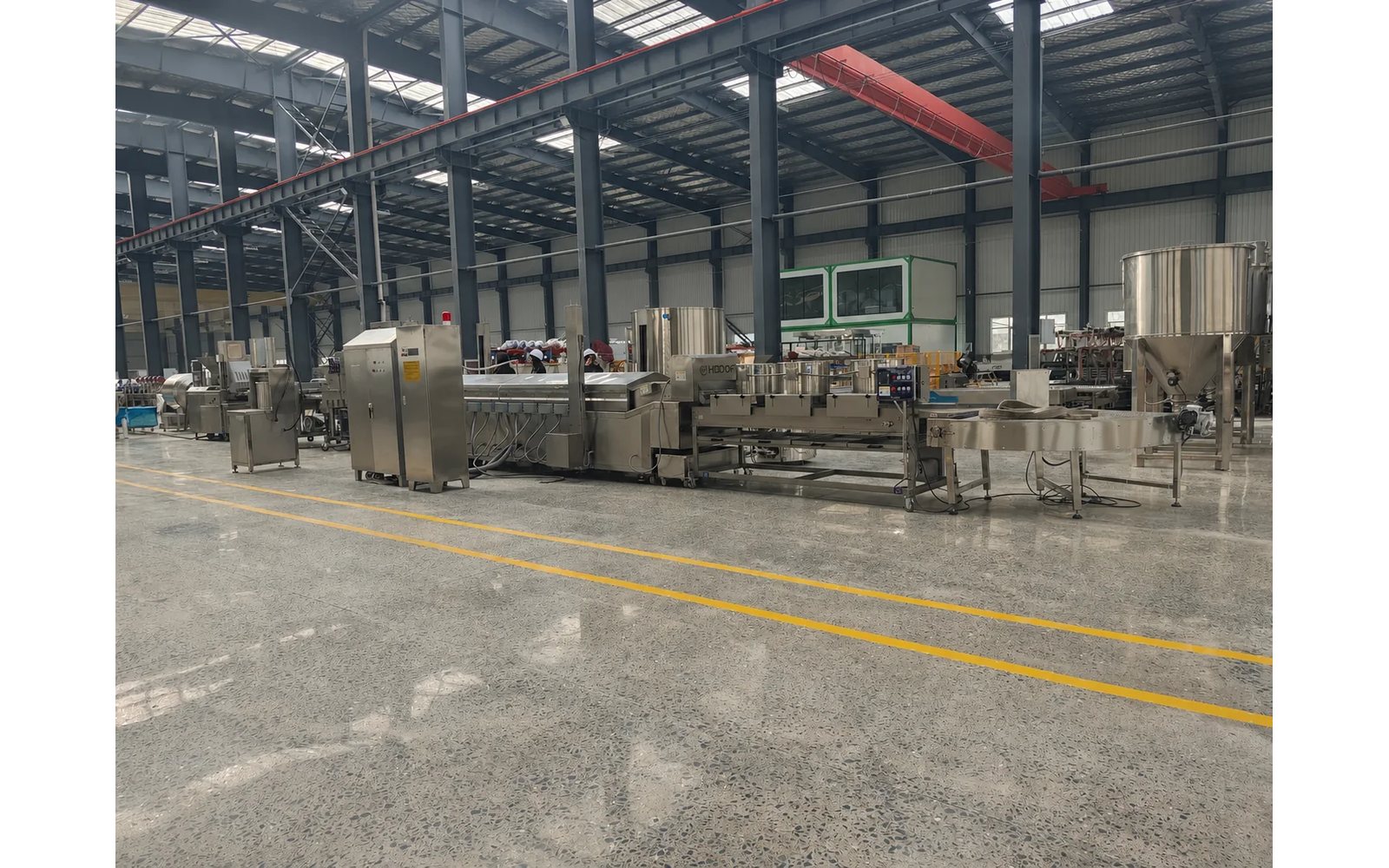
Freeze the Review Basis Before Adjusting the Line
Required product and operating inputs
Variety or supply lot, size range, storage condition, measured solids where available and representative sample.
Peeling basis, nominal slice geometry, permitted variation, rinse or conditioning route and surface condition before frying.
Normal and peak feed, shifts, recipe sequence, oil-system operating basis, cleaning and changeovers.
Agreed color, texture, moisture or other endpoint, oil carry-over observation, breakage and packaging condition.
Freeze the review basis before adjusting the line, because an adjustment is only meaningful against a fixed target. State the potato variety, the cut, the target moisture and oil, and the measurement method, and hold them constant while the line is adjusted. Without a fixed basis, the operator is chasing a moving result.
Record the basis at the start of each review shift. The variety and the raw material condition change from delivery to delivery, and the basis must be re-established for each one. A frozen basis is what turns a set of adjustments into a controlled experiment instead of a sequence of guesses.
State the potato variety, the cut, the target moisture and oil, and the measurement method, and hold them constant while the line is adjusted.
The variety and the raw material condition change from delivery to delivery, and the basis must be re-established for each one.
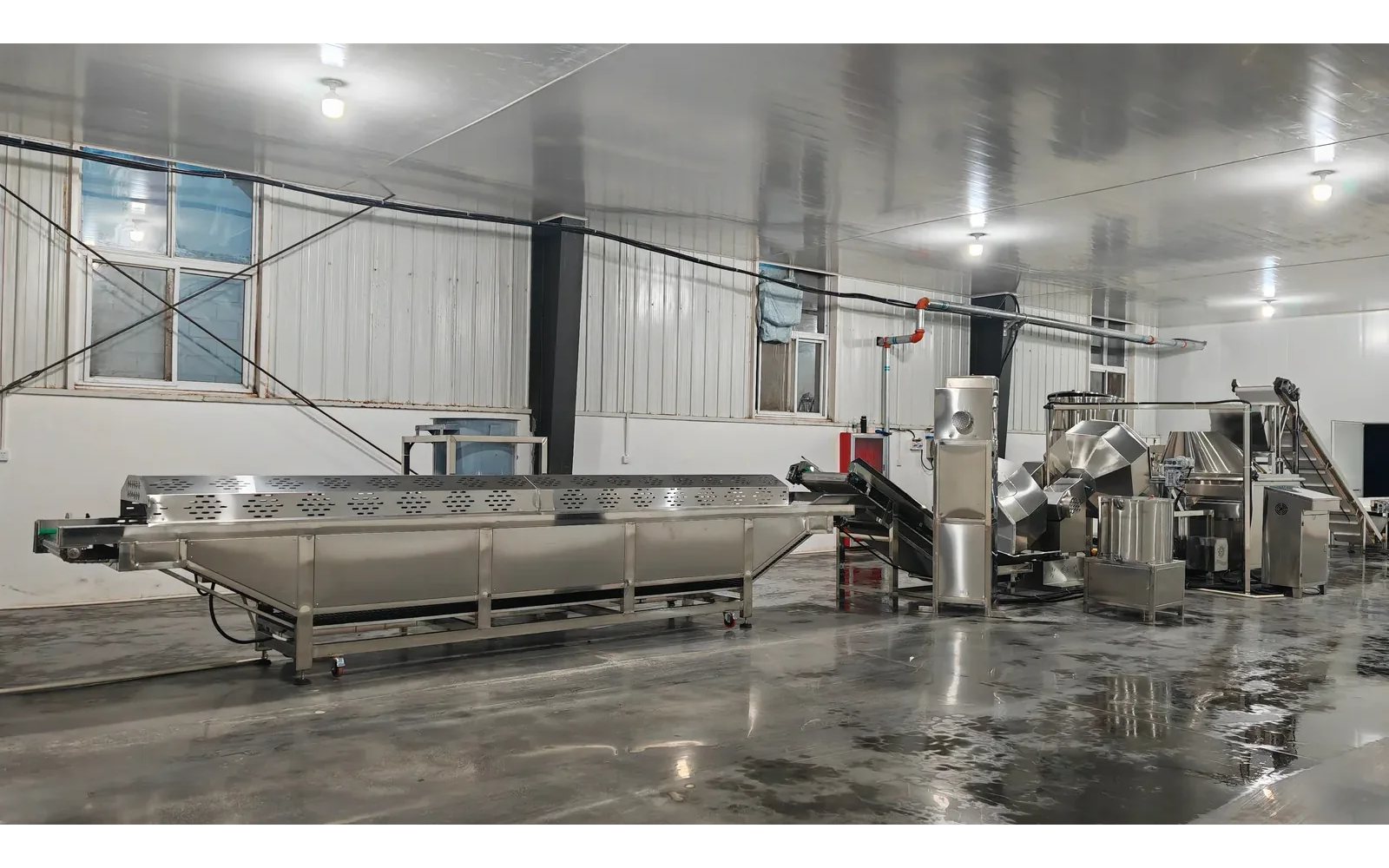
Connect Every Adjustment to Its Upstream and Downstream Effect
Parameter consequences and selection risk
A wider thickness distribution changes the thermal load and can produce mixed endpoint observations in one sample.
Carry-over from rinsing changes the condition entering oil and should be stabilized before interpreting a fryer-setting change.
Uneven or excessive loading changes product exposure, residence behavior and discharge consistency even when average rate appears acceptable.
Heating, circulation, level, filtration and cleaning are connected decisions. Changing one without recording the others weakens the diagnosis.
Transfer, de-oiling and cooling can alter breakage, oil carry-over and seasoning pickup after the fryer discharge.
Sample location, time, size and conditioning period change what the result represents and must remain consistent.
Wrong-selection risk: replacing the fryer or increasing nominal capacity before proving the controlling constraint can preserve the original instability and add a new line imbalance.
Connect every adjustment to its upstream and downstream effect before making it. Changing the slicer changes the frying time; changing the fryer changes the oil pickup; changing the dryer changes the moisture entering the fryer. An adjustment made in one stage is paid for in another, and the line must be read as a connected system.
Predict the effect, make one change and measure the result before the next change. Multiple simultaneous adjustments make it impossible to know which one worked, while a single change with a measured result builds understanding. The discipline of one change at a time is what stabilises the line.
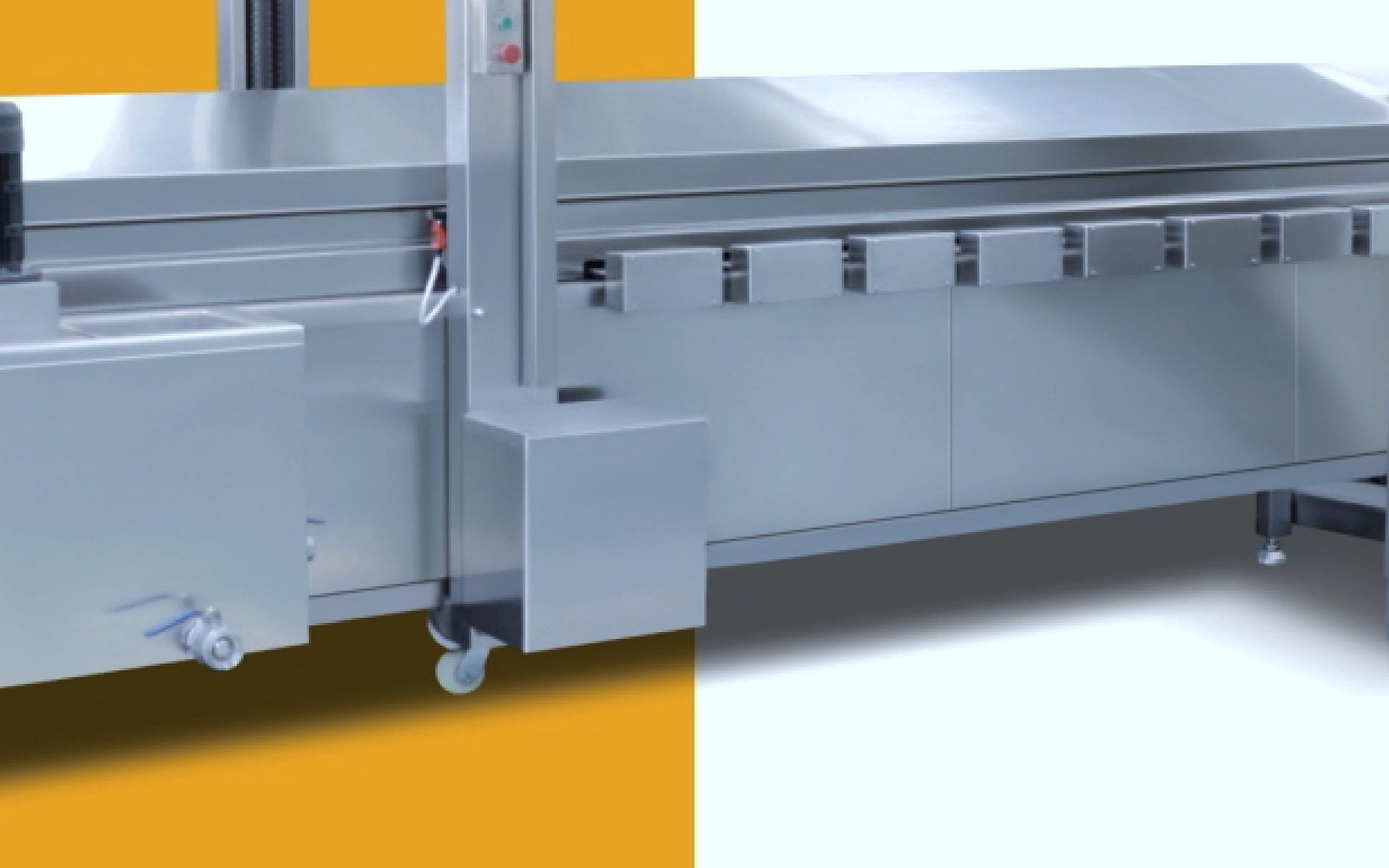
Separate Standard, Higher-Duty and Custom Reviews
Configuration boundary
Standard review
One defined potato and slice range, stable continuous feed, a reviewed fryer reference and a clear finishing handoff.
Higher-duty review
Greater raw-material variation, wider product range, longer campaigns, tighter finished consistency or more demanding oil handling.
Custom project review
Multiple recipes, existing line retrofit, special pretreatment, shared thermal utilities, integrated controls or an optional freezing boundary.
Separate the standard, higher-duty and custom reviews for a potato line, because they carry different evidence and different prices. A standard review covers a product inside the published envelope; a higher-duty review stretches one condition, such as a thicker cut or a higher output; a custom review changes the line architecture. Asking for one while needing another produces the wrong quotation.
State the review path before requesting a proposal, and keep the product basis attached to it. The supplier then knows whether the line is a standard configuration or a custom engineering job, and the buyer knows which evidence and which price apply. The separation is what keeps the review honest.
State the review path before requesting a proposal, and keep the product basis attached to it.
The supplier then knows whether the line is a standard configuration or a custom engineering job, and the buyer knows which evidence and which price apply.
The separation keeps the review honest and the price matched to the engineering work.
A standard review covers a product inside the published envelope, a higher-duty review stretches one condition, and a custom review changes the line architecture, and asking for one while needing another produces the wrong quotation.
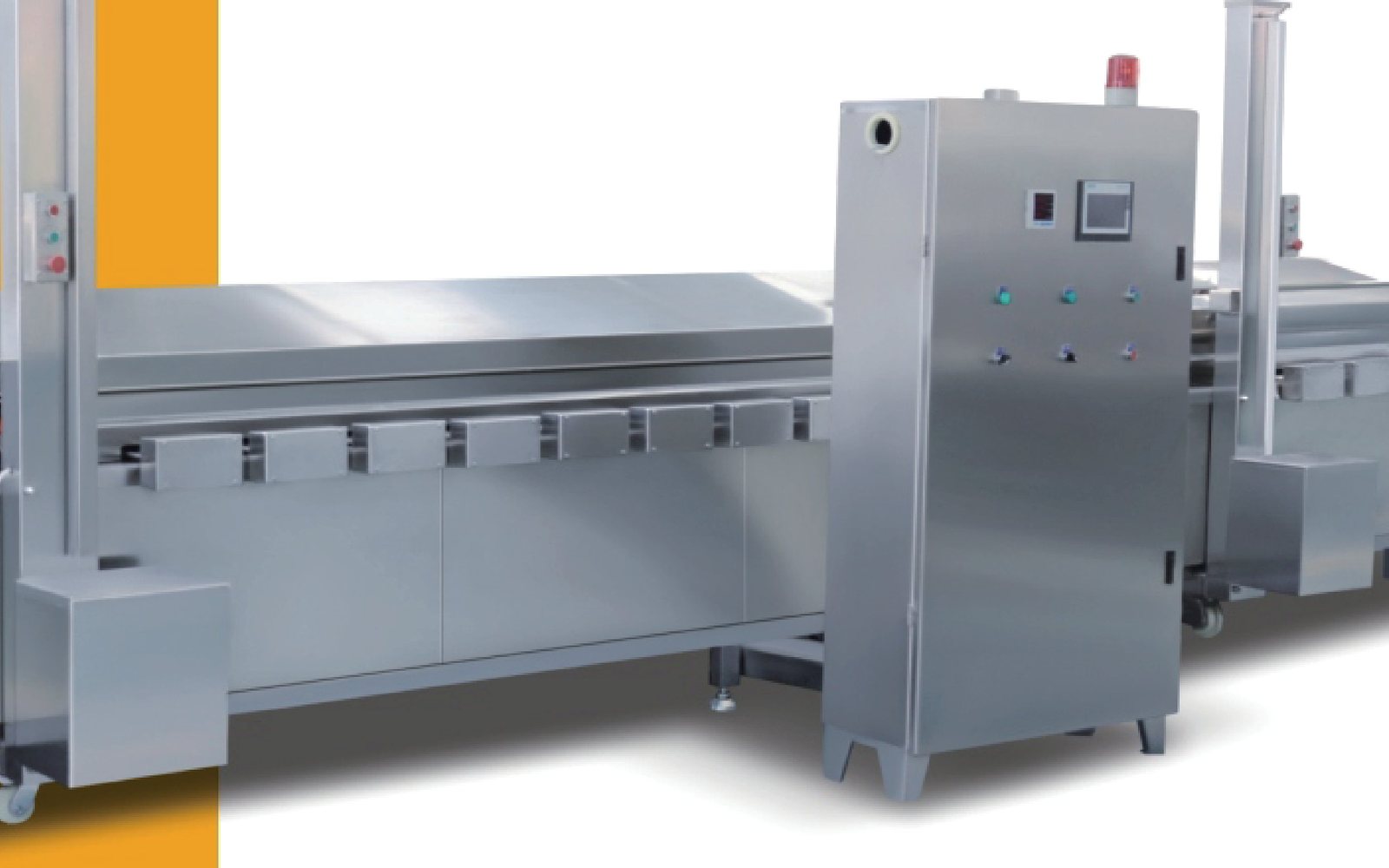
Accept a Recorded Operating Window, Not a Single Uncontrolled Sample
Test basis, FAT and maintenance
- Approve the product lot, slice range, preparation route and test duration.
- Record feed, operating settings and oil-system conditions included in the trial.
- Sample at agreed handoffs and times using the same observation or measurement method.
- State whether FAT uses representative product and which factory or site conditions remain outside the test.
- Confirm cleaning access, oil-circuit inspection and model-specific maintenance instructions in the handoff package.
- Close deviations through an owner, due date and named evidence record.
Set maintenance intervals and product-result targets for the selected model, product and operating window; do not apply one universal value to every line.
Accept a recorded operating window rather than a single uncontrolled sample. One good bag of chips proves nothing about the line; a recorded run that holds the target moisture, oil and colour across a shift is evidence. The operating window is the range of conditions and results the line can hold, and that is what should be accepted.
Define the window before the run: the product, the settings and the permitted variation, and the sampling plan. Then record the run and compare the results with the window. Acceptance is a comparison of a recorded window with a written one, not a judgement of a single sample.
A Decision Record, Not a Universal Performance Claim
Related evidence and review output
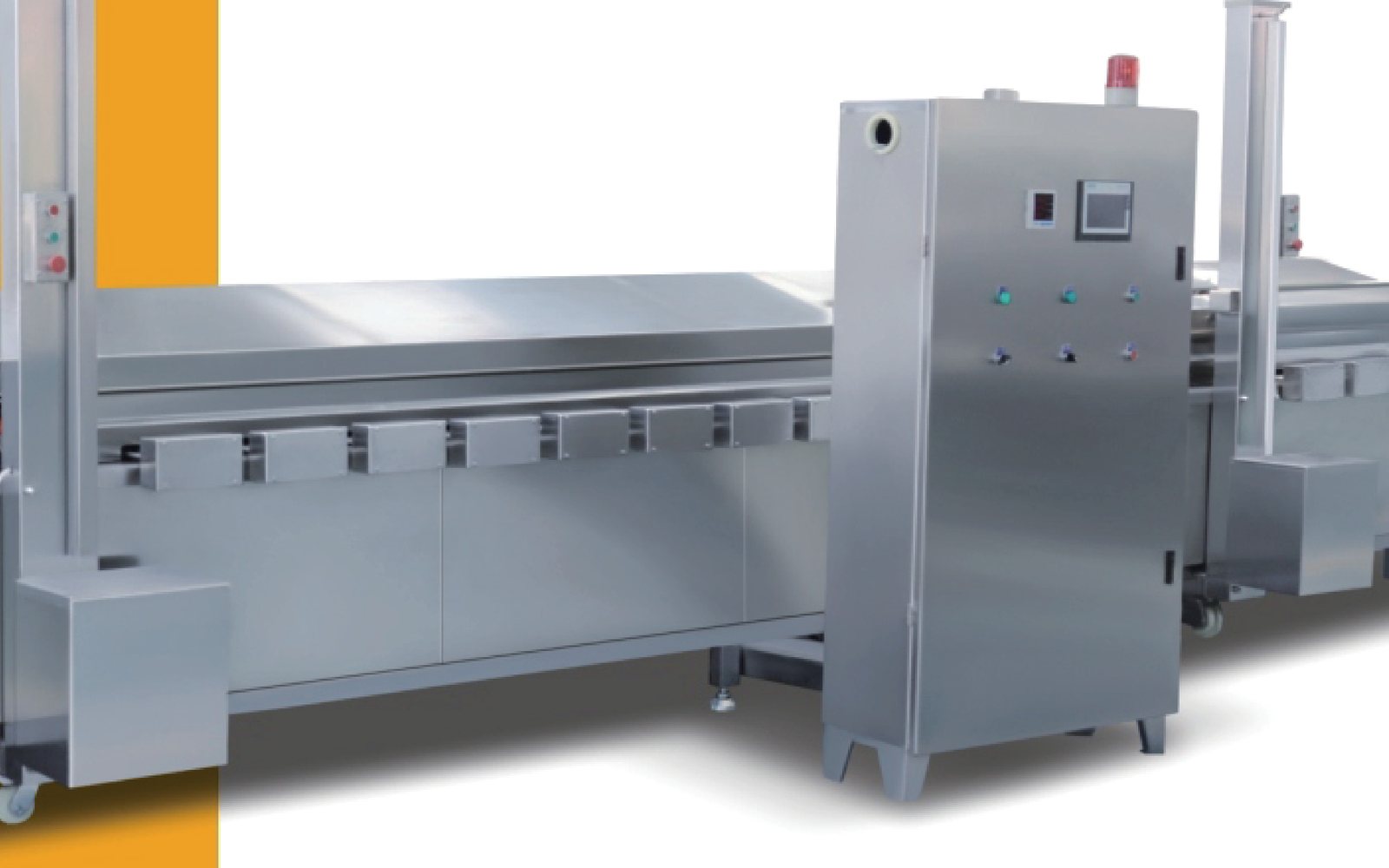
Measured output, product improvement and customer attribution remain unpublished until approved source records are available. Review the potato chips production line, the continuous fryer and the frying selection guide using the same product basis.
Keep a decision record rather than making a universal performance claim. The record captures the product, the settings, the measured result and the changes made, and it is the evidence that the line was tuned and verified on a particular basis. A universal claim that the line works for every potato is not supported by that record.
Use the record to defend the specific result and to plan the next change. When the raw material changes, the record shows what was true before and what must be re-verified, and it keeps the line's performance claims inside the evidence that supports them. The record, not the claim, is what survives contact with the next delivery.
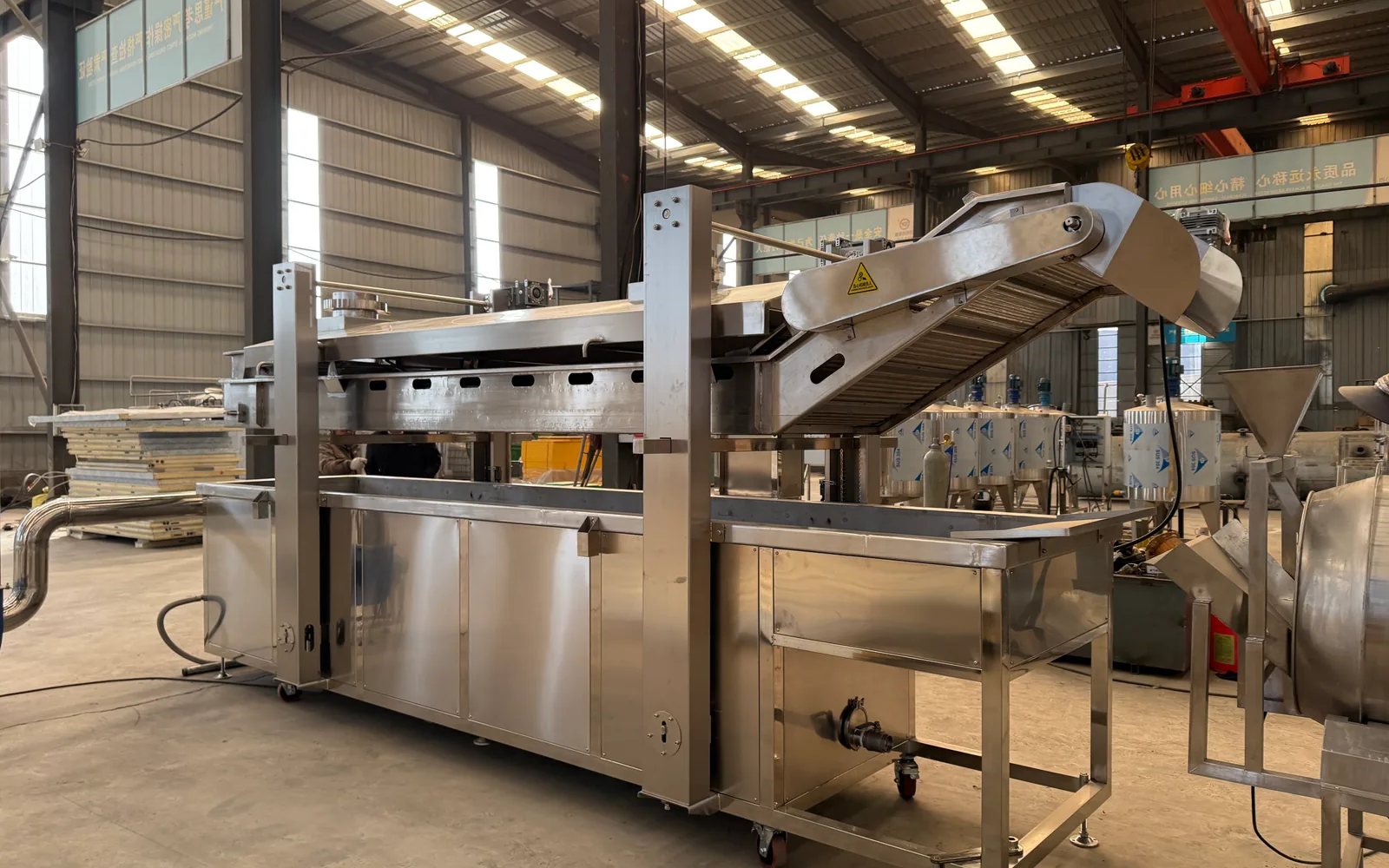
Write the record so it can be re-read by someone who was not in the room: the product, the settings, the measured result and the change made. That record is what turns a single tuning session into a repeatable basis for the next shift and the next raw-material lot.
Trace Variation Back Through the Line
Do not assign the problem to the fryer before checking upstream feed and downstream handling.
Potato condition
Variety, size, solids and storage
Slice condition
Thickness, rinse and surface water
Frying duty
Loading, heat, time and oil circuit
Product handling
De-oiling, cooling and seasoning
Trace the variation from the finished chip back to its earliest possible source before blaming the fryer. Start at the pack and check breakage, oil and colour, then move back through de-oiling, frying, slicing and the raw potato, noting where the measurement first moves away from the target.
The trace works only if each stage leaves a record. Without the potato condition, the slice thickness and the feed distribution written down, the diagnosis stops at opinion and the fryer is changed when the slicer was the cause. Run the trace on the product that is actually failing, at the production rate, and compare it with a stable reference run; the difference between the two traces is the clue that names the true driver.
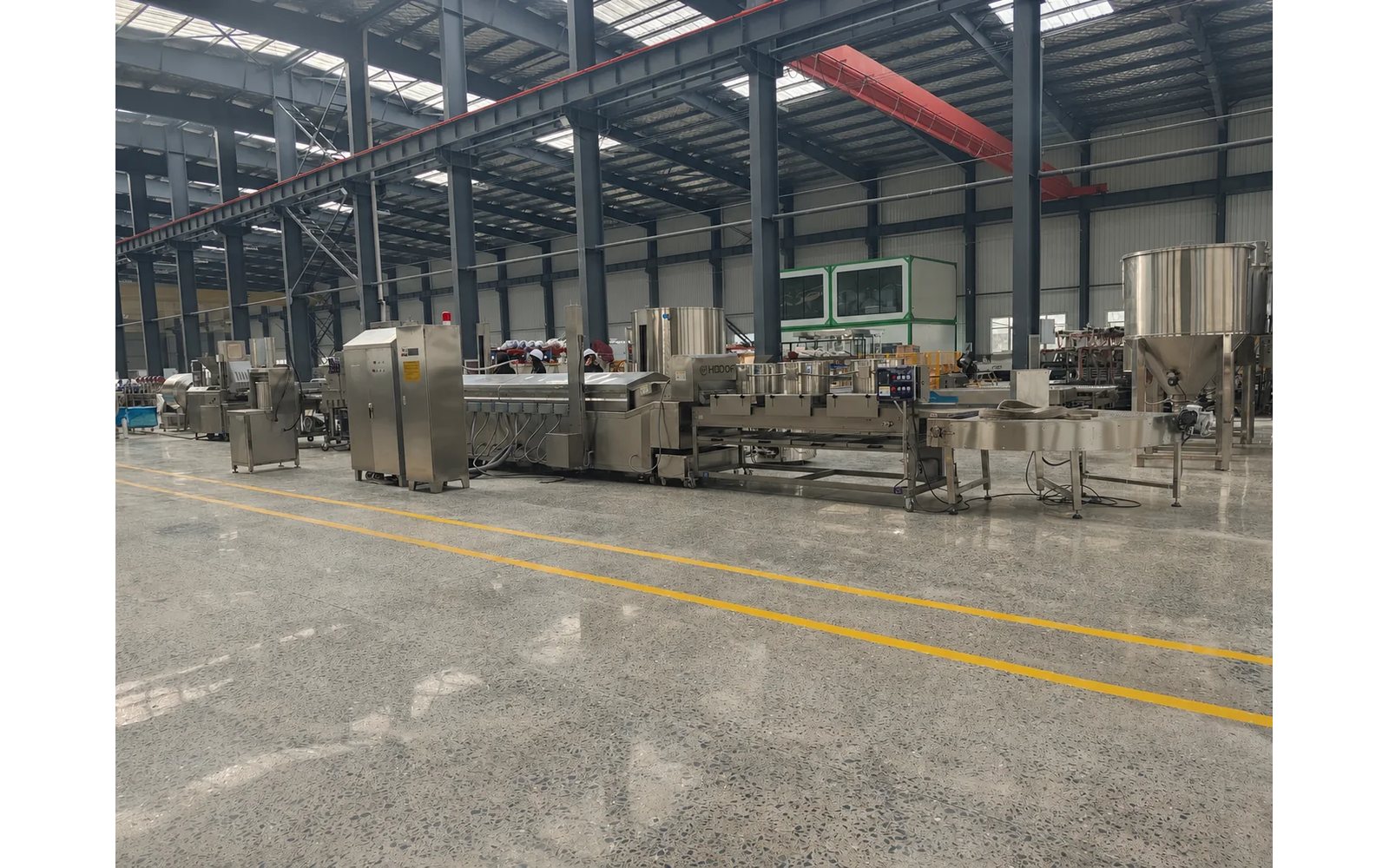
Once the trace names a stage, hold everything else constant and confirm the finding with a second run before changing hardware, so the diagnosis is checked before it becomes an expense.
The trace ends with a cause, not with a suspect.
Record Data at the Handoffs
Record data at the handoffs, because the handoff is where a potato chip line reveals its problems. At each transfer, from slicer to washer, washer to fryer, fryer to de-oiling and de-oiling to packing, write down the product condition, the feed and the result, so the data sits at the points where variation actually enters.
Agree the sample points and the measurement method before the run. A temperature taken at the fryer inlet means something different from one taken at the outlet, and a moisture reading taken on a single chip means something different from one taken on a full tray. Fixed points and one method make the records comparable.
Use the handoff records to hold the line inside its operating window. When a result drifts, the records show which handoff moved first, and the correction is aimed at the cause instead of spread across the machine. Data at the handoffs is the cheapest diagnosis the line has.
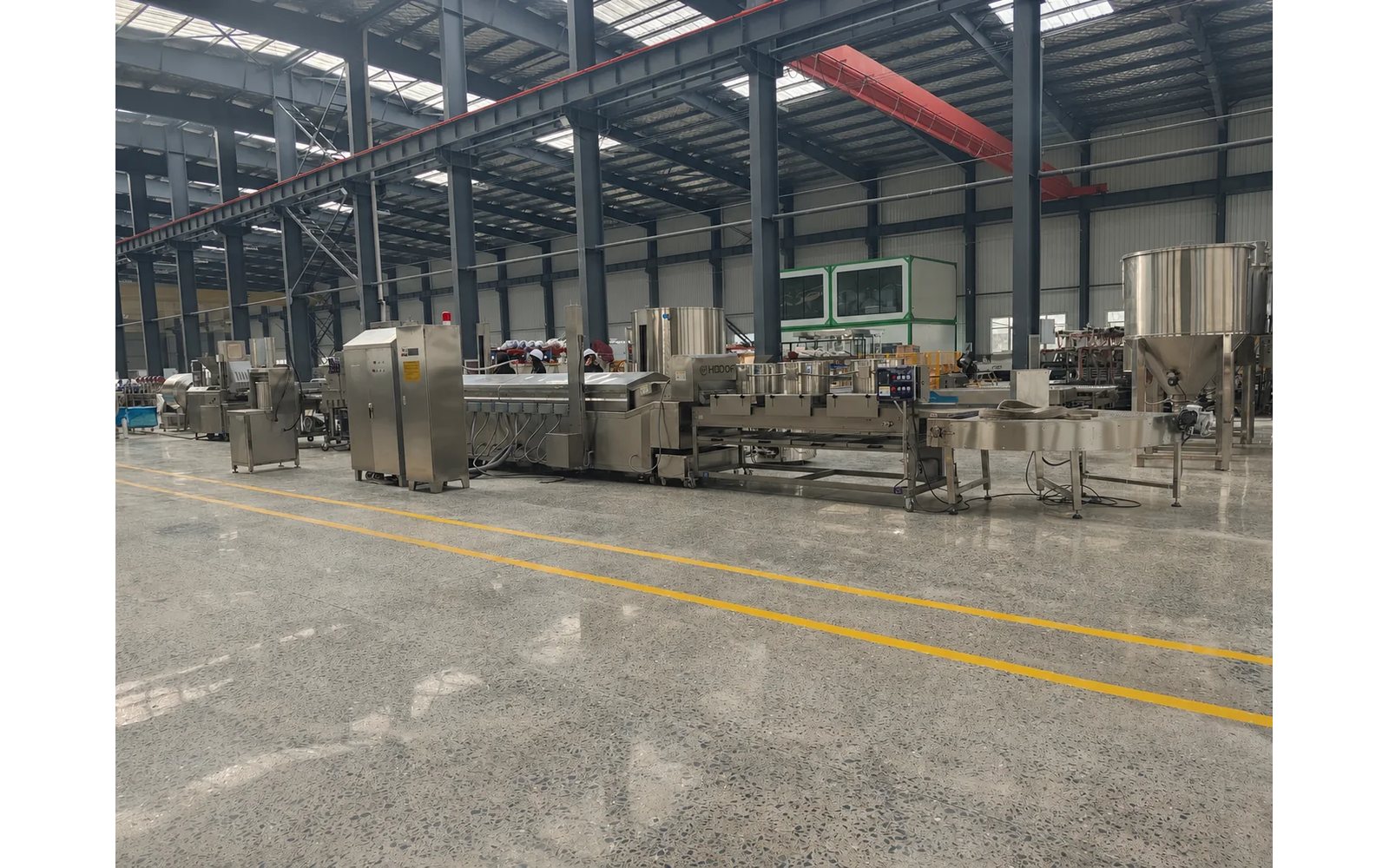
The records also become the acceptance file: a line that was verified at every handoff can be accepted at every handoff, and the buyer and supplier both know what the test actually covered.
A gap in the records is a gap in the evidence.
Change One Review Variable at a Time
- 01Freeze the product basisUse a named potato and slice specification.
- 02Stabilize feed observationRecord loading and distribution before changing thermal settings.
- 03Review thermal and oil boundariesConnect heating, circulation, filtration and cleaning scope.
- 04Inspect post-fry handlingCheck transfer, de-oiling, cooling and seasoning interfaces.
- 05Document the decisionRecord accepted basis, deviation and unresolved action.
Freeze the product basis
Use a named potato and slice specification.
Stabilize feed observation
Record loading and distribution before changing thermal settings.
Review thermal and oil boundaries
Connect heating, circulation, filtration and cleaning scope.
Inspect post-fry handling
Check transfer, de-oiling, cooling and seasoning interfaces.
Document the decision
Record accepted basis, deviation and unresolved action.
| Reviewed fryer references | HDF-4000 / HDF-5000 / HDF-6000 / HDF-8000 |
|---|---|
| Product input | Potato lot, storage condition, solids where available, slice geometry and surface condition |
| Operating input | Feed distribution, normal and peak rate, heating and oil-system basis, run duration and changeovers |
| Observation input | Agreed color, texture, endpoint, oil carry-over, breakage, sample position and timing |
| Result boundary | No output or finished-product improvement is claimed without an approved trial and measurement record |
Frequently asked questions
Which input should be checked before changing fryer settings?
Why can one potato chip sample give the wrong diagnosis?
When is a higher-duty fryer review required?
What should a potato snack FAT record?
Does this method guarantee a potato chip result?
Related pages
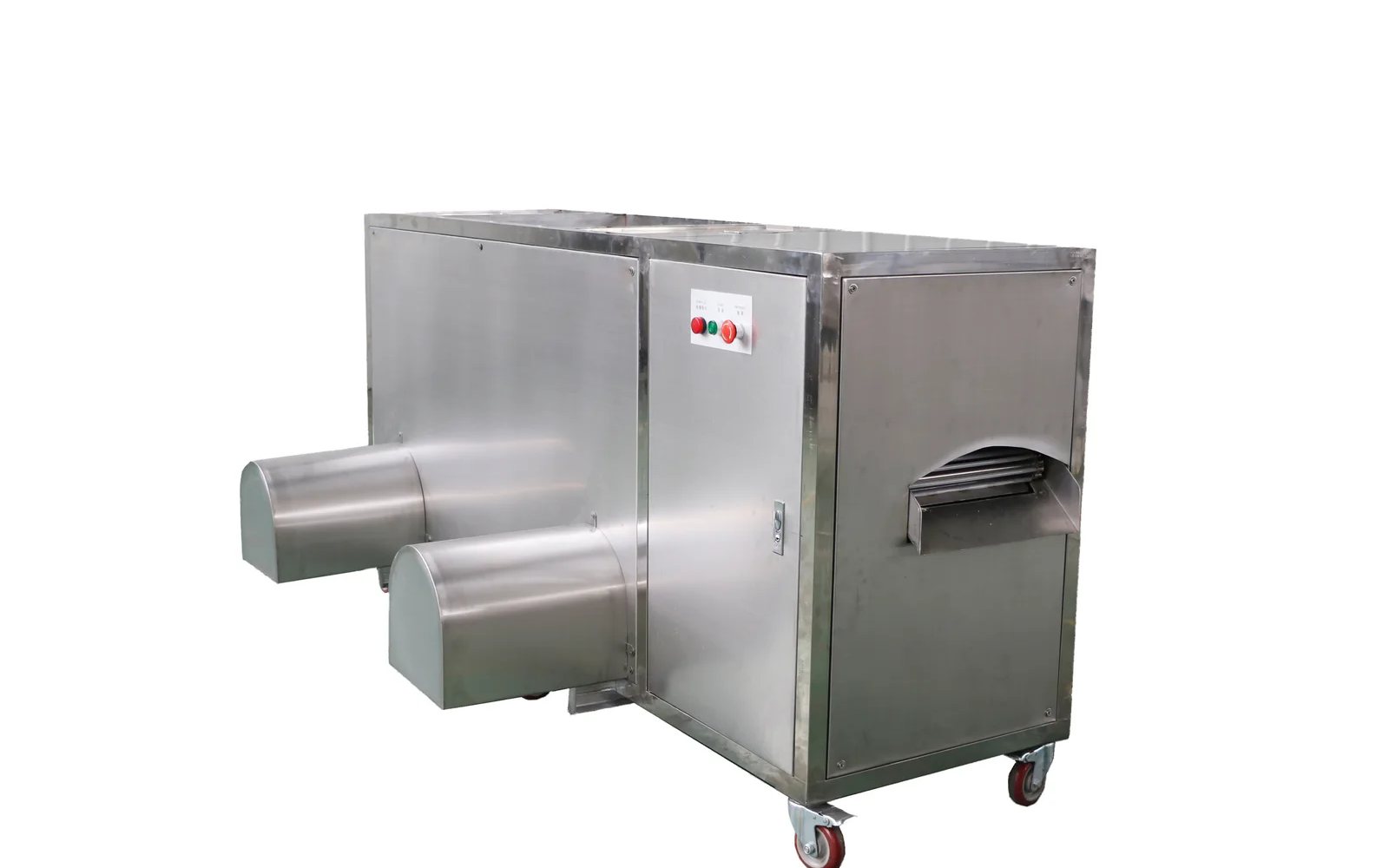
Continuous Fryer
Compare verified Hadof continuous fryer references, then review product loading, heating route, oil handling, factory interfaces and acceptance scope.
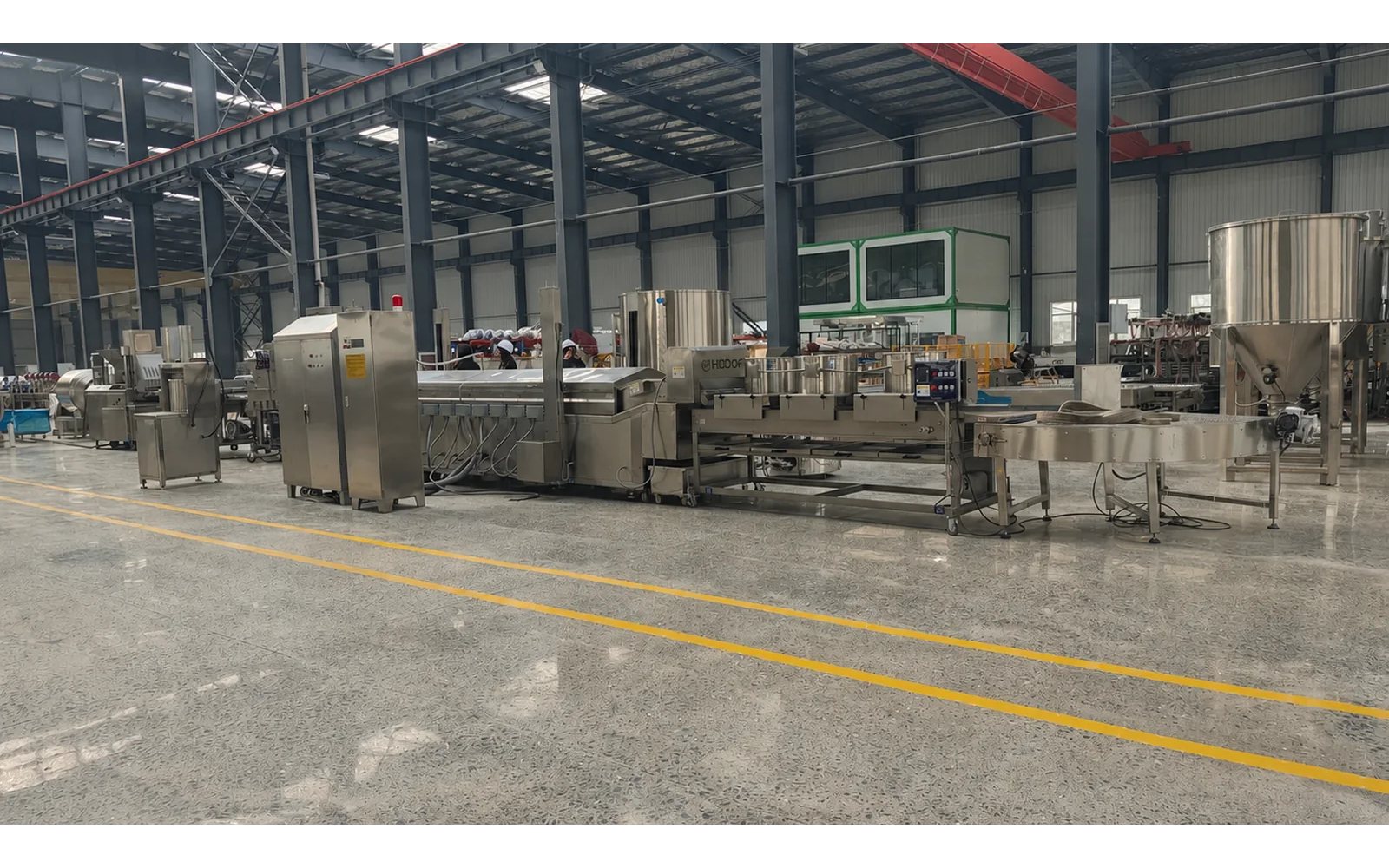
Potato Chips Production Line
Define the potato, finished chip and factory boundary before connecting preparation, frying, seasoning and packaging feed.
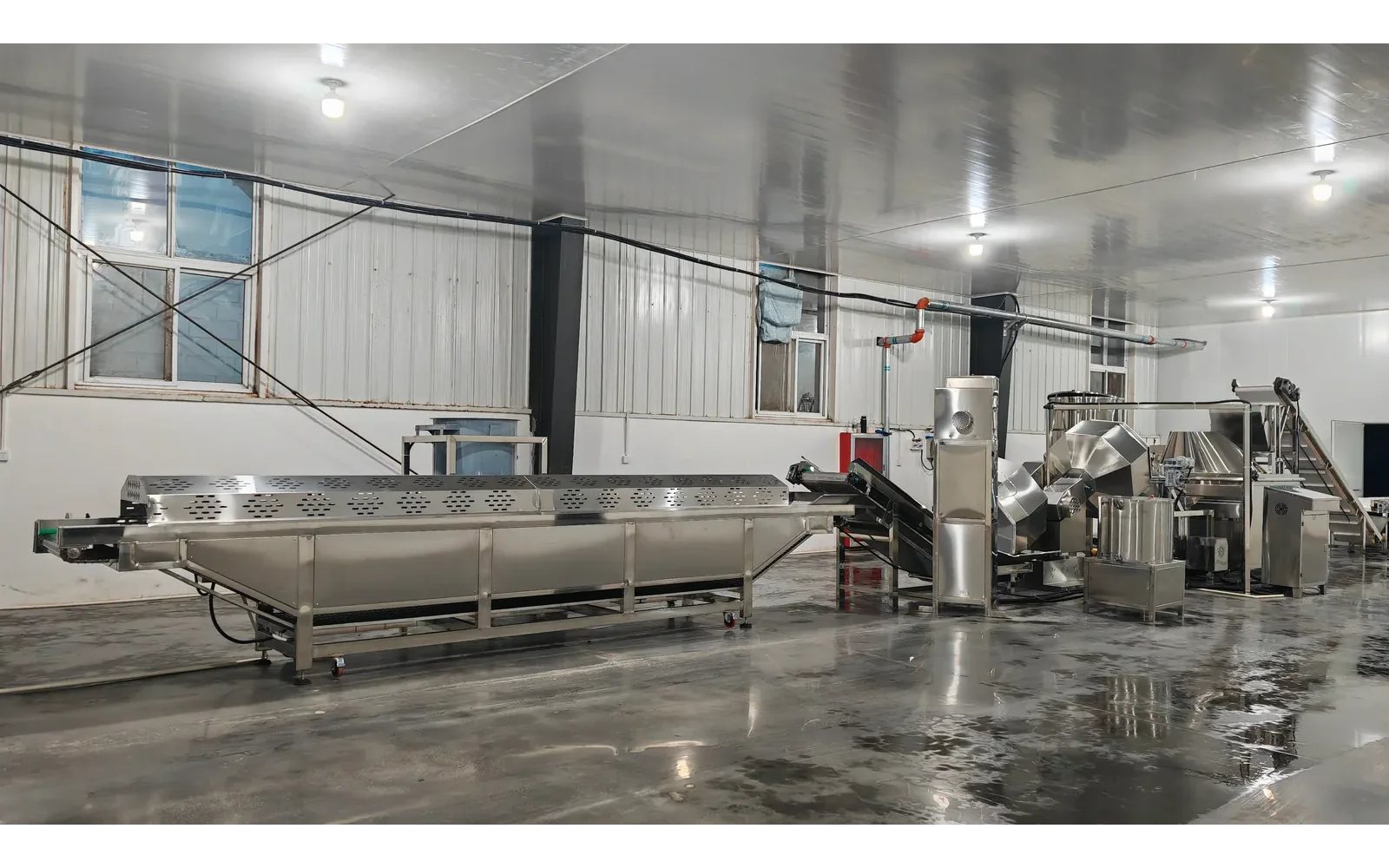
Snack Food Seasoning System
Compare batch and continuous snack seasoning routes, Hadof catalog model references, dosing controls, line interfaces and acceptance criteria.
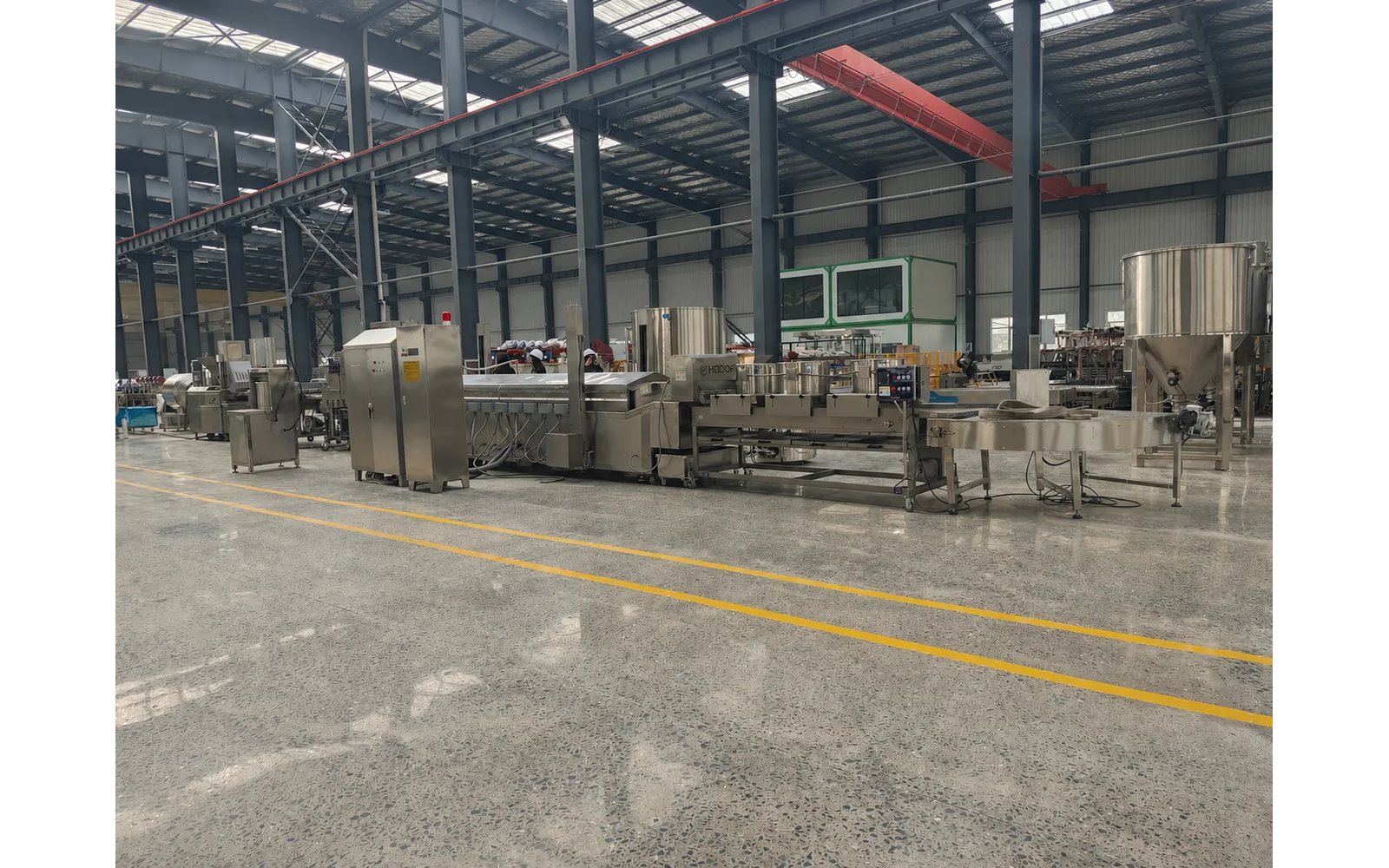
Snack Food Processing Systems
Review snack food forming, coating, frying, cooling, seasoning and packing duties from product criteria through factory and acceptance boundaries.