
Premade Pouch Packaging Machines
Review the process, equipment duties and project boundary from one defined basis.
Confirm the Product, Pack and Line Interfaces Before Comparing Speed
Define the product-pack route first
A pre-made pouch machine is chosen around the pouch and the product together. Record the pouch style, size, material, whether it has a zipper, spout or stand-up base, and how it must be opened, filled and sealed. Then record the product: its flow behaviour, piece size, temperature, dustiness and whether it must be filled by weight or volume. The same rotary filler will behave very differently with a dry snack mix and a chunky sauce.
The line interfaces matter from the start. Confirm how empty pouches are loaded, oriented and dated, how the filled pouch is transferred to sealing, and whether a checkweigher or seal inspection sits downstream. For products that must be flushed with nitrogen or vacuum-sealed, the gas supply and the seal quality test become part of the machine duty, and they should be in the specification before any speed is quoted.
Specify the pouch features that drive the cycle, such as zippers, spouts and stand-up bases, because each one adds a station and changes the realistic output.
Zippers, spouts and stand-up bases each add a station, and each one changes the output the machine can honestly hold.
Zippers, spouts and stand-up bases each add a station, and each one changes the honest output.
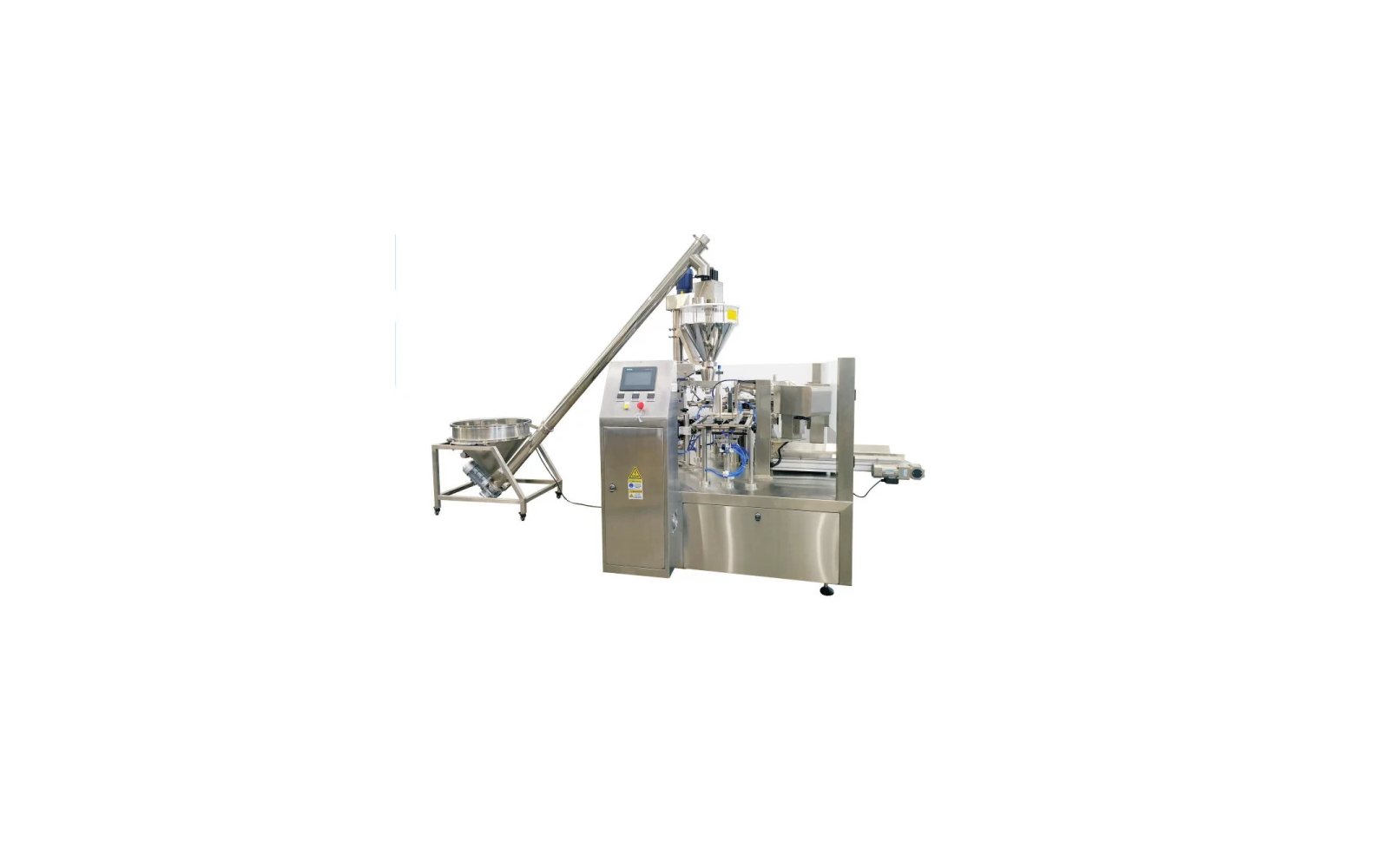
Balance Product Flow, Pack Formation and Line Handoff
Packaging route and parameter consequences
A pouch filler has three rhythms to balance: pouch pick-up and opening, product dosing, and seal and discharge. If opening is slower than dosing, the filler waits; if sealing is slower than both, the line runs at the sealing rate. Specify buffer and accumulation around the machine, and check how a missed pouch pick or a failed seal is detected and rejected without interrupting the rest of the rotary cycle.
Plan for the rejects as a first-class flow. A pouch that fails to open, a short fill or a weak seal must leave the machine into a locked or identified bin, and the reject count should be logged. For gusseted or unstable pouches, confirm the transfer grippers and the discharge orientation so the sealed pouch arrives at the checkweigher standing upright and correctly spaced.
Confirm the reject logic for a pouch that fails to open or seal, and make sure the machine logs those events instead of quietly passing an empty or unsealed pack downstream.
Count the failed pick-ups and weak seals as production losses, not as machine exceptions.
Count the failed pick-ups and weak seals as losses, not as machine exceptions.
Those losses are the difference between a machine that runs and a line that ships.
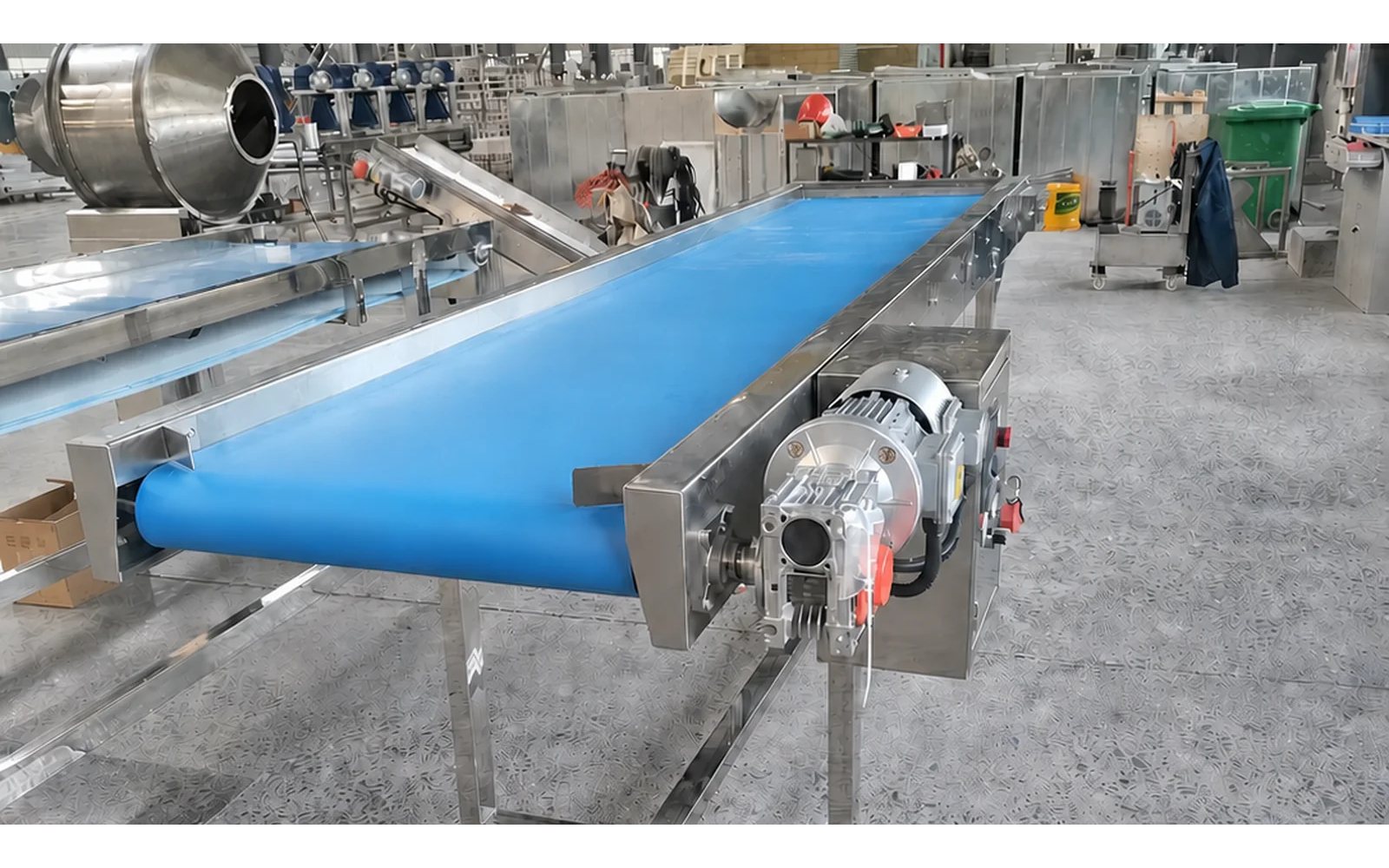
Compare Each Model Against One Product-Pack Basis
Models and technical parameters
Compare pouch machines on one basis: the pouch dimensions and style, the fill weight, the product, the number of stations, and the output measured over a realistic shift with changeovers. A rotary machine quoted at 60 pouches per minute for a small, simple pillow pouch will not hold that rate on a large stand-up pouch with a zipper and a dusty powder.
Ask what the published speed excludes. Does it include pouch loading time, nitrogen flushing, seal cooling and reject handling? Is it a per-station or per-machine figure? Request a trial with your actual pouch and product, and measure the fill accuracy, seal strength and reject rate together, because a machine that fills fast but produces weak seals is not a bargain.
Ask whether the quoted speed includes pouch loading, gas flushing and seal cooling, since those steps are where a flattering figure is quietly adjusted to something less impressive.
Ask whether the figure survives a gas flush and a seal-cooling step, because those are where a published speed quietly falls away.
Ask whether the figure survives the gas flush and the seal-cooling step, because that is where a published speed quietly falls away.
Ask whether the figure survives the gas flush, because that is where a published speed falls away.
Resolve Four Connected Decisions Before Quotation
Selection logic and configuration boundary
- 01 / ProductDefine behavior at the metering interface.Record flow, temperature, dust, fragility, bulk density where relevant, refill method and representative product variation.
- 02 / Dose and packKeep target, container and material together.Confirm nominal dose, tolerance, pack dimensions, film or pouch structure, closure, code, label and presentation requirements.
- 03 / Seal and verifySet an observable package acceptance rule.Define sealing conditions, contamination risk, leak or closure checks, weight or inspection limits, reject behavior and records.
- 04 / Line interfaceBalance every upstream and downstream handoff.Release infeed, refill, elevation, buffering, discharge, accumulation, guarding, utilities, controls, data and responsible parties.
Four decisions should be fixed before pricing. First, the dosing technology: auger, cup, weigher or piston, matched to the product's flow and your accuracy target. Second, the seal technology and its verification, including temperature control and the seal-strength test. Third, changeover: how many grippers, guide rails and seal jaws change between pouch sizes, and how the machine proves the new format is correct. Fourth, controls and data: recipe storage, reject logging and connection to the line.
Each choice constrains the next. A zipper pouch requires a zipper opening and closing station; a spout pouch requires spout insertion and cap handling; a nitrogen flush requires a gas system and a residual-oxygen check. Resolve these with the actual pouch before comparing quotations, so the chosen configuration can genuinely run the format instead of just filling the cheapest one.
Turn the Catalog Row Into a Testable Project Record
Quality, testing, evidence and acceptance
The acceptance plan should state which catalog values are inspected, which functions are demonstrated, which product measurements are available at the factory and which checks can occur only after installation.
Model row, pack drawing, material, dose basis, layout, utilities, options, interfaces, responsibilities and evidence plan.
Identity, construction, controls, safety, product path, tooling, seal functions, inspection and agreed dry-run records.
Test product and material, refill condition, speed window, dose result, seal or closure result, rejects and declared limits.
Installation, utilities, upstream and downstream balance, product run, recipes, training and closure of open items.
Convert the catalog entry into a testable record by writing the product, pouch, fill weight, speed, accuracy and seal criteria into an acceptance plan. For a stand-up pouch with a zipper, agree the seal width and strength test, the burst or leak check, and the sampling frequency, and state who supplies the pouches, product and utilities for the trial.
Run a factory acceptance test that logs fills, seals and rejects across a defined run, then repeat the measurement at site under production conditions. If the pouch protects a sensitive product, keep the gas-flush and residual-oxygen data with the acceptance record so the machine's evidence supports the shelf-life claim you are making to your customers.
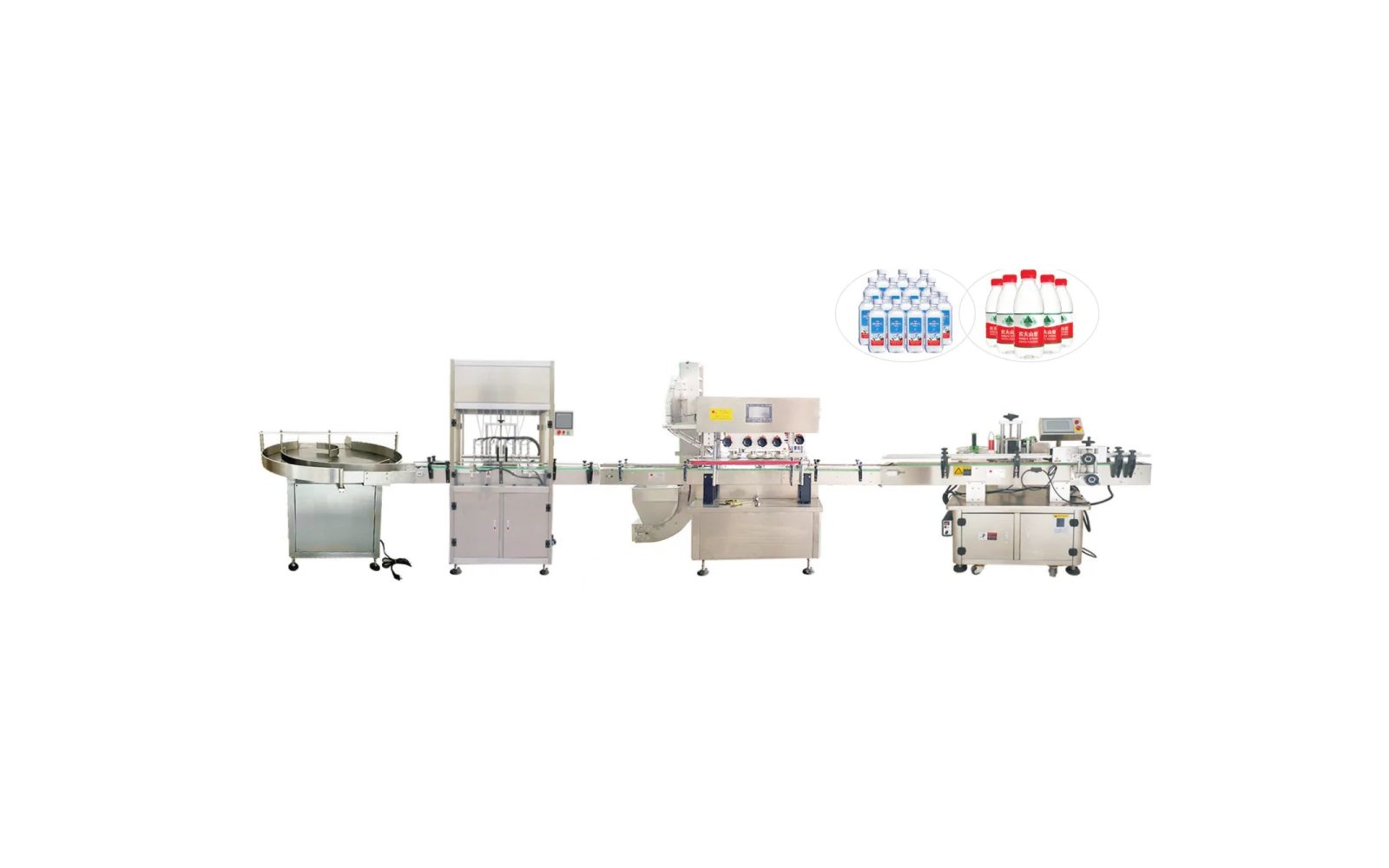
Confirm Responsibilities Beyond the Machine Name
Quotation, delivery and support scope
Powder doypack reference
Select a model to inspect its dimensions, duty and utilities. Compare values within the same family and operating basis.
| Bag types | Stand-up, zipper, three/four-side seal, gusset |
|---|---|
| Bag size | W80-200 × L80-300 mm |
| Speed | 25-45 bags/min |
| Accuracy | ≤±1% nominal |
| Dose | 10-2000 g |
| Power | 2.5 kW |
| Air | ≥0.4 m³/min |
| Weight | 1000 kg |
| Envelope | 1530×1350×1450 mm |
Granule premade-bag line
| Model | HDF-A10 |
|---|---|
| Range | 100-500 g |
| Speed | 30-65 weighments/min |
| Power | 220 V / 50-60 Hz |
| Hopper or bag size | 1600 ml hopper |
| Weight | 420 kg |
| Air or dimensions | 1482×1080×1116 mm |
| Model | KY-K8-200 |
|---|---|
| Range | 100-1000 g |
| Speed | ≤45 bags/min |
| Power | 380 V three-phase / 2000 W |
| Hopper or bag size | W80-200 × L100-350 mm |
| Weight | 1100 kg |
| Air or dimensions | 0.9 m³/min air |
Horizontal bag-feeding reference
| Bag size | W80-210 × L80-310 mm |
|---|---|
| Dose | 20-1000 g |
| Accuracy | ±1% nominal |
| Speed | 10-30 bags/min |
| Hopper | 2 L |
| Bag types | Four-side seal, stand-up, zipper, PE or PVC |
| Power | 220 V / 50-60 Hz |
| Envelope | 1300×750×1100 mm |
| HDF-F8/1 — Powder doypack reference | Bag types: Stand-up, zipper, three/four-side seal, gusset; Bag size: W80-200 × L80-300 mm; Speed: 25-45 bags/min; Accuracy: ≤±1% catalog reference; Dose: 10-2000 g; Power: 2.5 kW; Air: ≥0.4 m³/min; Weight: 1000 kg; Envelope: 1530×1350×1450 mm Catalog reference; PDF pp.4 and 7, printed pp.2-3 and 8-9 |
|---|---|
| Weighing — Granule premade-bag line | Model: HDF-A10; Range: 100-500 g; Speed: 30-65 weighments/min; Power: 220 V / 50-60 Hz; Hopper or bag size: 1600 ml hopper; Weight: 420 kg; Air or dimensions: 1482×1080×1116 mm Catalog reference; PDF pp.4 and 7, printed pp.2-3 and 8-9 |
| Filling and sealing — Granule premade-bag line | Model: KY-K8-200; Range: 100-1000 g; Speed: ≤45 bags/min; Power: 380 V three-phase / 2000 W; Hopper or bag size: W80-200 × L100-350 mm; Weight: 1100 kg; Air or dimensions: 0.9 m³/min air Catalog reference; PDF pp.4 and 7, printed pp.2-3 and 8-9 |
| HDF horizontal series — Horizontal bag-feeding reference | Bag size: W80-210 × L80-310 mm; Dose: 20-1000 g; Accuracy: ±1% catalog reference; Speed: 10-30 bags/min; Hopper: 2 L; Bag types: Four-side seal, stand-up, zipper, PE or PVC; Power: 220 V / 50-60 Hz; Envelope: 1300×750×1100 mm Catalog reference; PDF pp.4 and 7, printed pp.2-3 and 8-9 |
Frequently asked questions
How should the Premade Pouch Packaging Machines catalog values be used?
Does a catalog capacity guarantee net production output?
Which inputs are required before model selection?
How are testing and acceptance defined?
Which commercial items remain project-specific?
Beyond the machine, name the boundaries. Confirm who supplies the pouch feed system, the compressed air and gas supply, the checkweigher, the reject bins and the discharge conveyor. For nitrogen-flushed packs, the gas quality and flow are a shared responsibility that must be written into the scope or the machine will be blamed for seals that actually failed because the gas supply was wrong.
Record who owns guarding and compliance, electrical connection, operator training, spare parts and the first maintenance interval. Writing these boundaries into the quotation and layout is what allows a fair comparison between suppliers and a commissioning plan that starts with the right utilities already in place.
Related pages
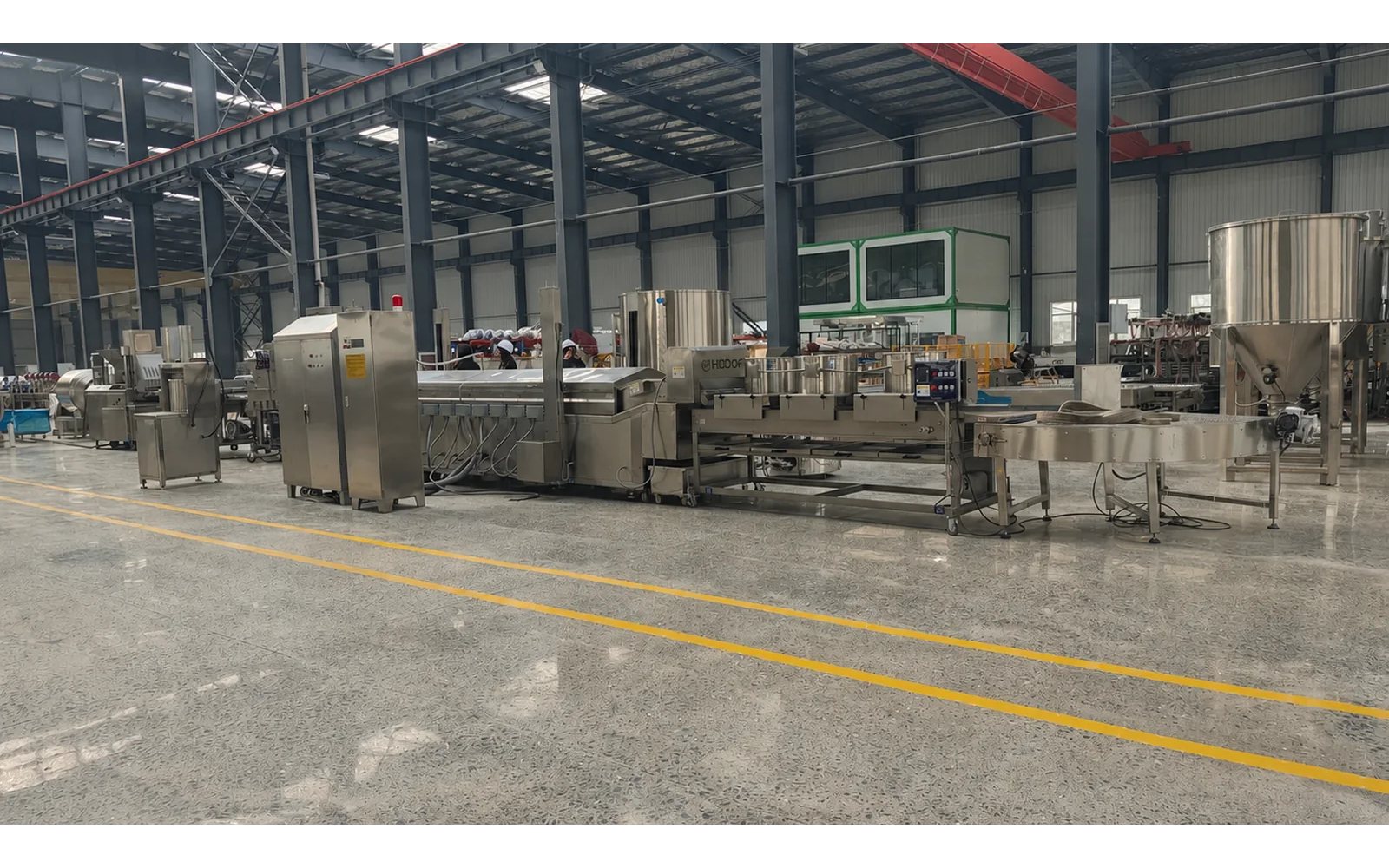
Potato Chips Production Line
Define the potato, finished chip and factory boundary before connecting preparation, frying, seasoning and packaging feed.
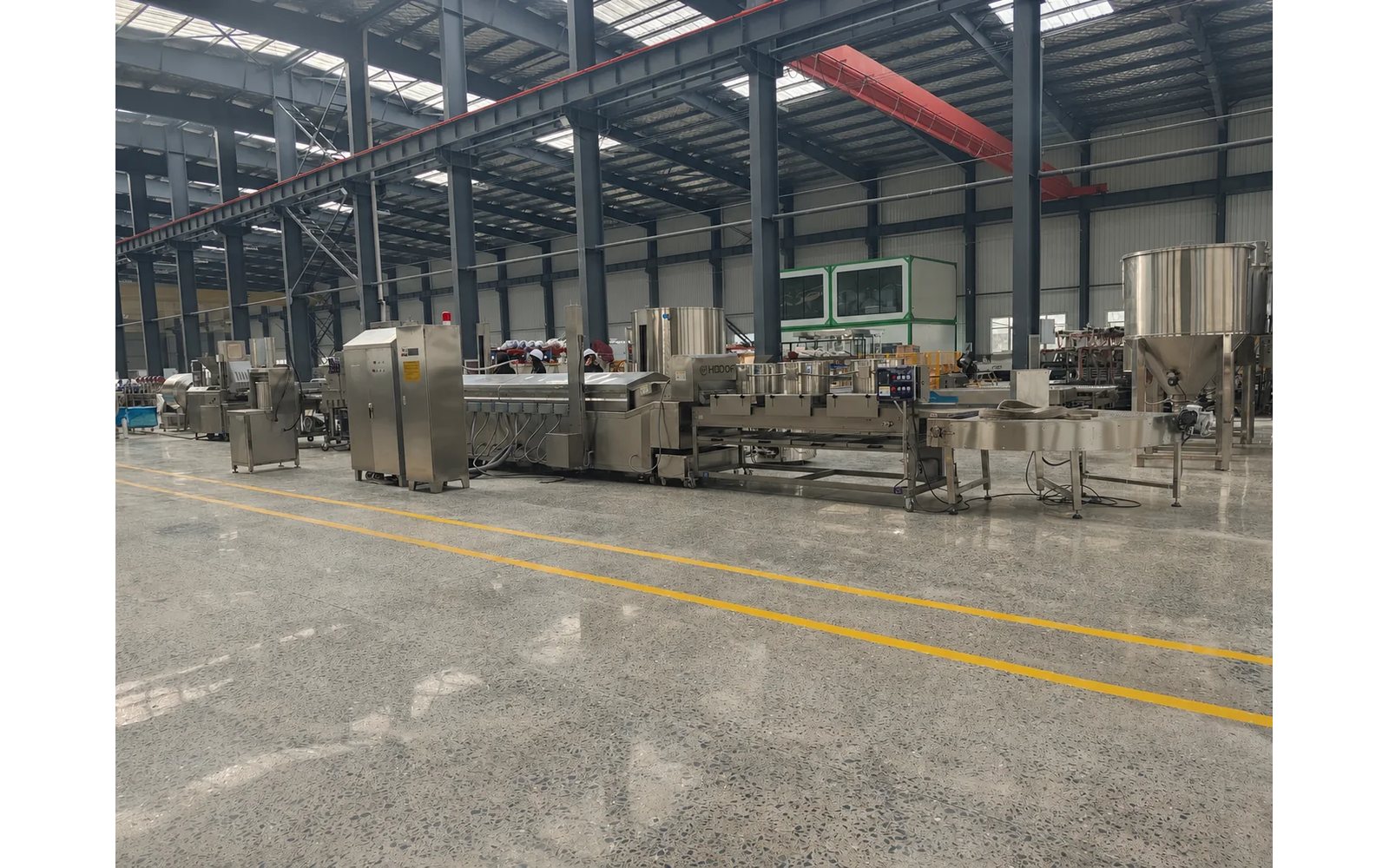
Fried Food Processing Line
Configure preparation, frying, oil handling, cooling, seasoning and freezing around the finished product, factory and acceptance basis.
Snack Food Seasoning System
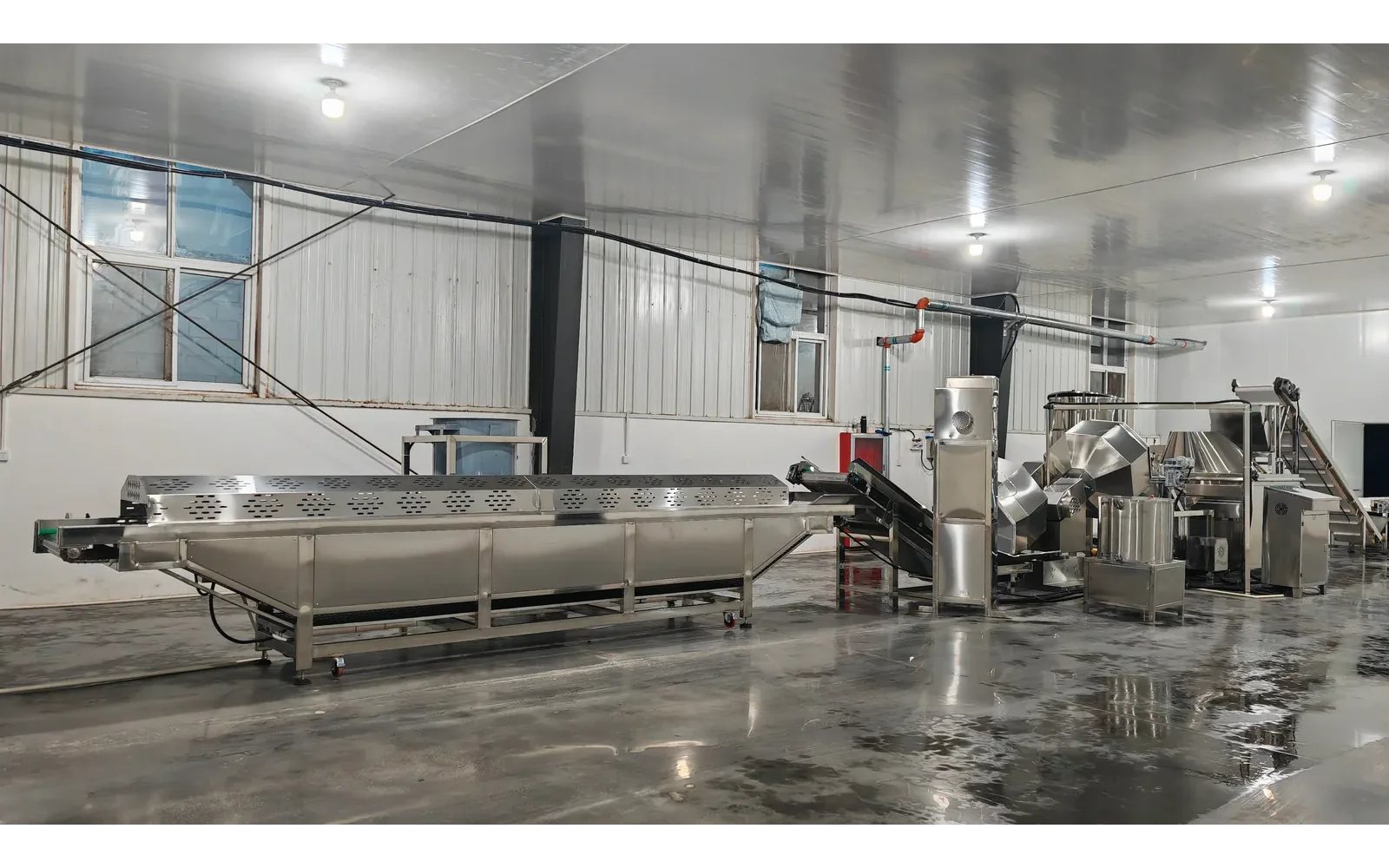
Compare batch and continuous snack seasoning routes, Hadof catalog model references, dosing controls, line interfaces and acceptance criteria.
Coated Food Frying Line
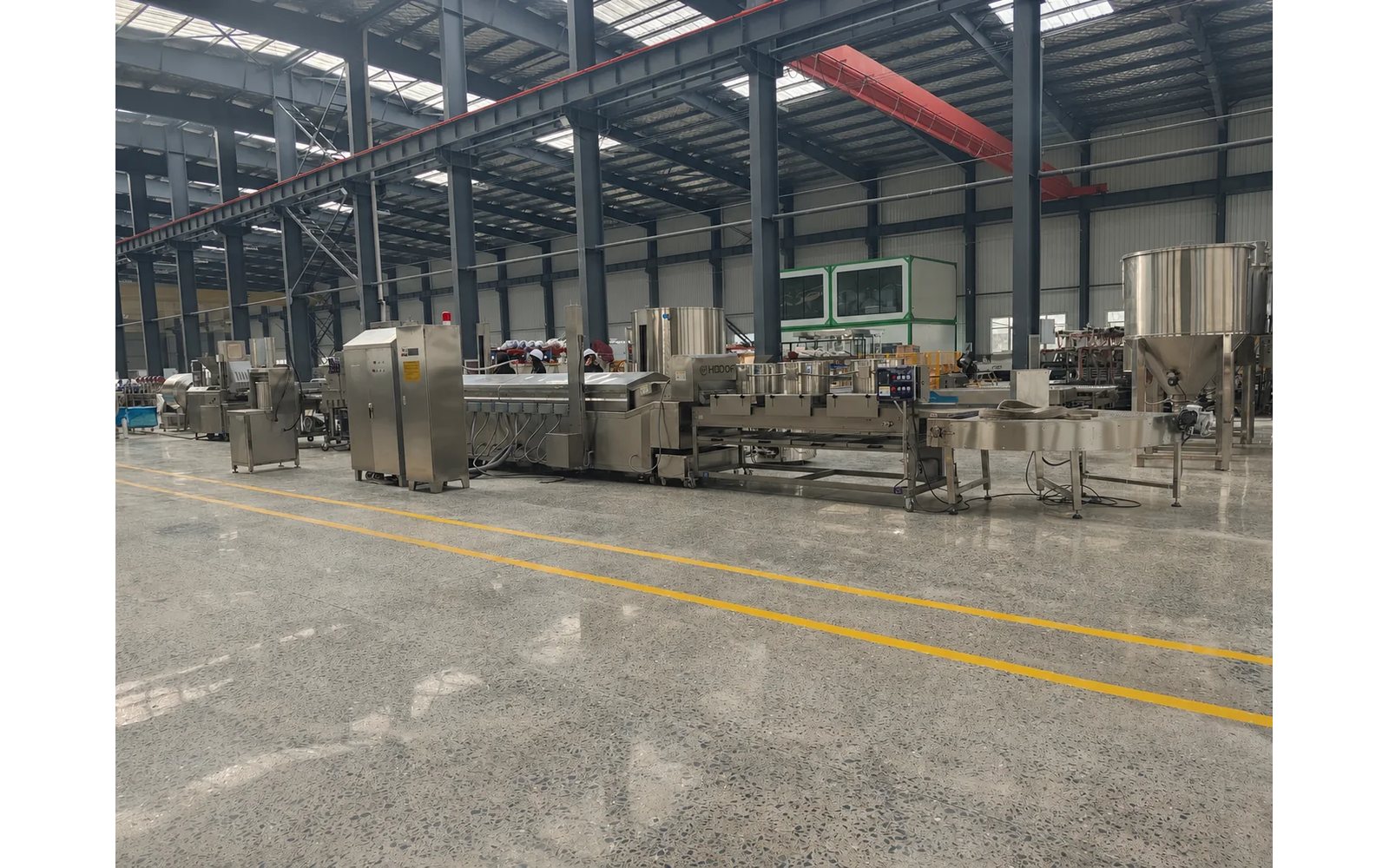
Connect forming, battering, breading, continuous frying and post-fry handling to product tests, equipment families and acceptance criteria.
Compact Fried Snack Processing and Packing Line
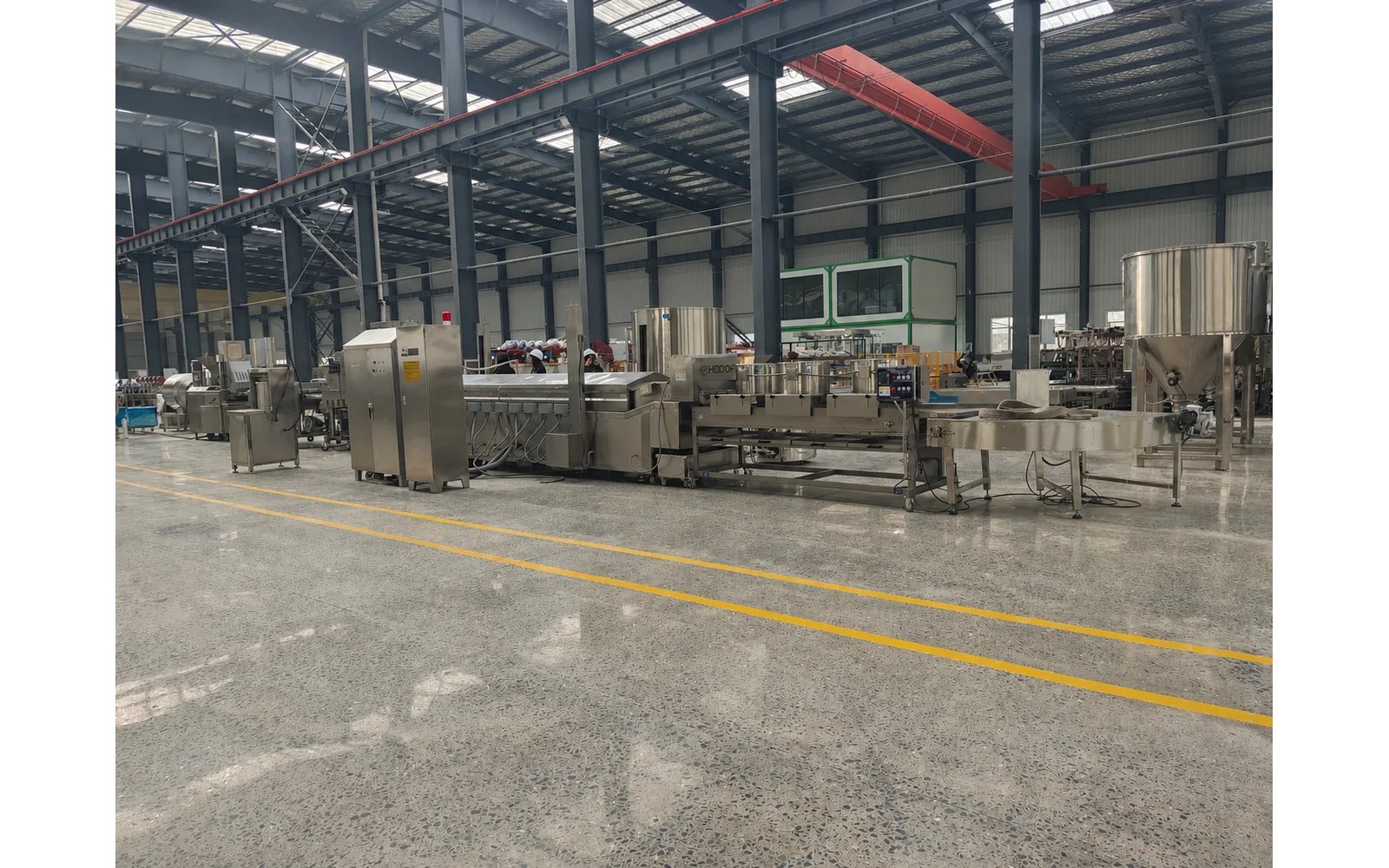
A recorded end-user purchase connecting preparation, batch frying, de-oiling, seasoning and packing, documented without inventing output or operating resul
Garlic Separation, Peeling and Vacuum Packing Line
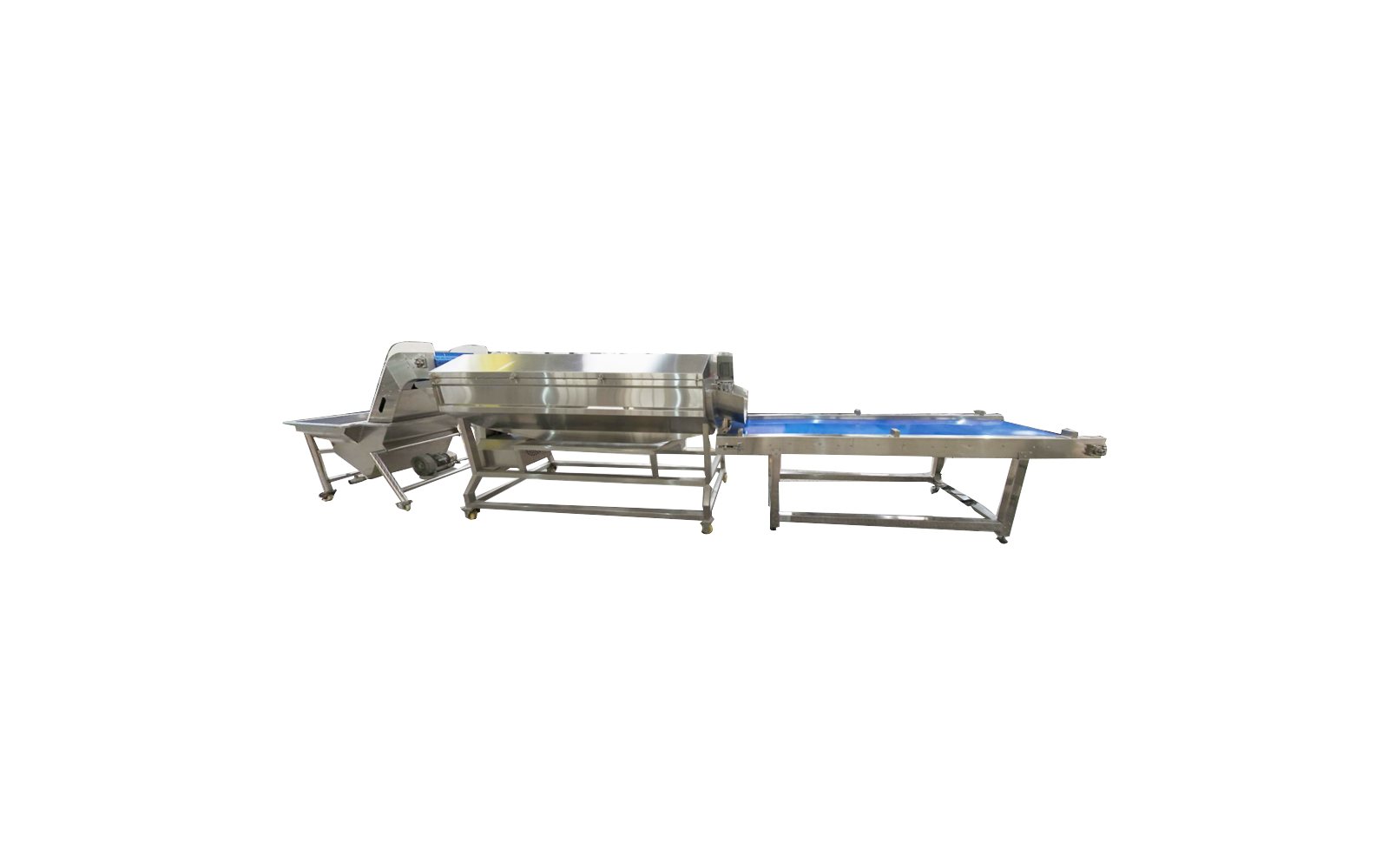
Review a verified Jordan garlic preparation scope from feeding and clove separation through peeling, inspection and vacuum packing.