
Procurement context and known constraints
Garlic Separation, Peeling and Vacuum Packing Line
Review the process, equipment duties and project boundary from one defined basis.
The recorded boundary begins with feeding and ends with vacuum packing.
Procurement context and known constraints
Source record HDF87 identifies Jordan and lists five connected equipment duties for garlic processing.
The functional order can be described from the named equipment.
| Procurement goal | Connect preparation and inspection directly to a recorded double-chamber vacuum-packing stage. |
|---|---|
| Known constraint | No models, quantities, output, test conditions or product-quality results appear in the public source fields. |
| Comparable-project risk | Garlic size distribution, dryness, skin adhesion and damage tolerance can change separation, peeling and inspection duty. |
| Required buyer input | Provide representative garlic, finished specification, output, compressed-air basis, pack size, utilities and room layout. |
The recorded boundary begins with feeding and ends with vacuum packing, which is a useful way to read the reference. The purchase is defined by its boundaries, not by a brand name, and those boundaries tell a buyer what was actually in scope. Everything before feeding and after vacuum packing is outside the record, and a current buyer must fill those gaps themselves.
For a new project, the exercise is to define the boundary the same way. Decide where the line starts and where it ends, and name what is inside and what is outside. A garlic line that ends at vacuum packing still needs the packed product moved into storage, and that handoff is a boundary decision the reference does not make for you.
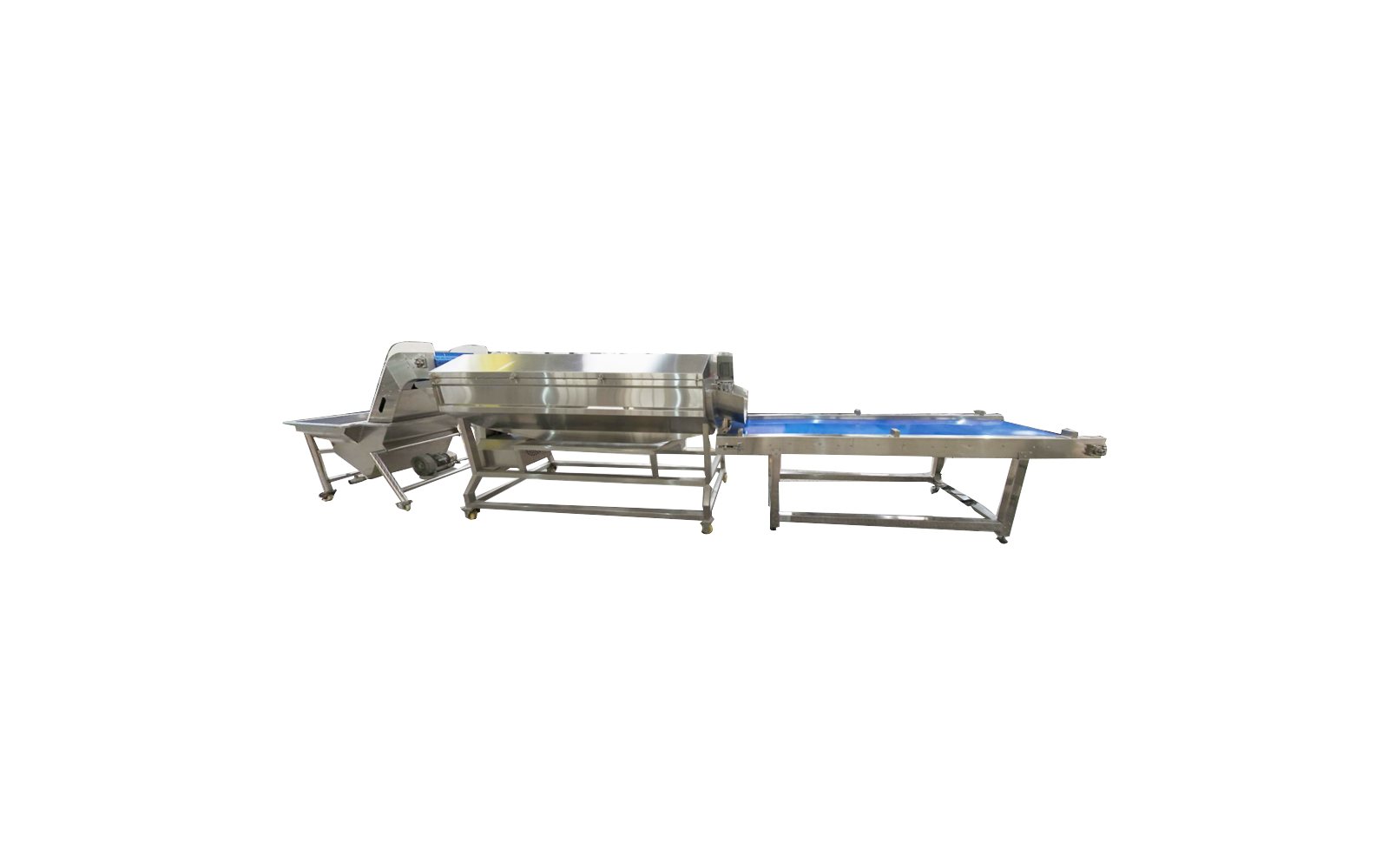
Five named duties define the recorded line boundary.
Verified purchased scope
The source verifies equipment categories only. It does not provide a model, capacity or acceptance result for any stage.
Recorded preparation equipment
Feeding, separation and peeling are listed.
Recorded inspection equipment
A sorting table forms the quality-review position.
Defect categories, staffing, lighting, reject handling and accepted clove condition must be defined for a comparable project.
Recorded packing equipment
Vacuum packing closes the listed supply scope.
Five named duties define the recorded line boundary, and reading them as duties is what makes the reference transferable. Each duty contributes a step toward the finished, packed garlic, and each one has an input and an output condition. The five duties are a sequence, not a list, and the value of the record is the sequence.
A current buyer should re-derive the five duties for their own garlic product. The variety, the size, the peel condition and the required cut or paste all change the duties, and the packed format changes the vacuum packing. The five named duties are a starting structure that must be re-validated against the buyer's own material.
Each duty has an input and an output condition, and the five duties are a sequence rather than a list. Re-derive them for your own garlic variety, size and finished pack.
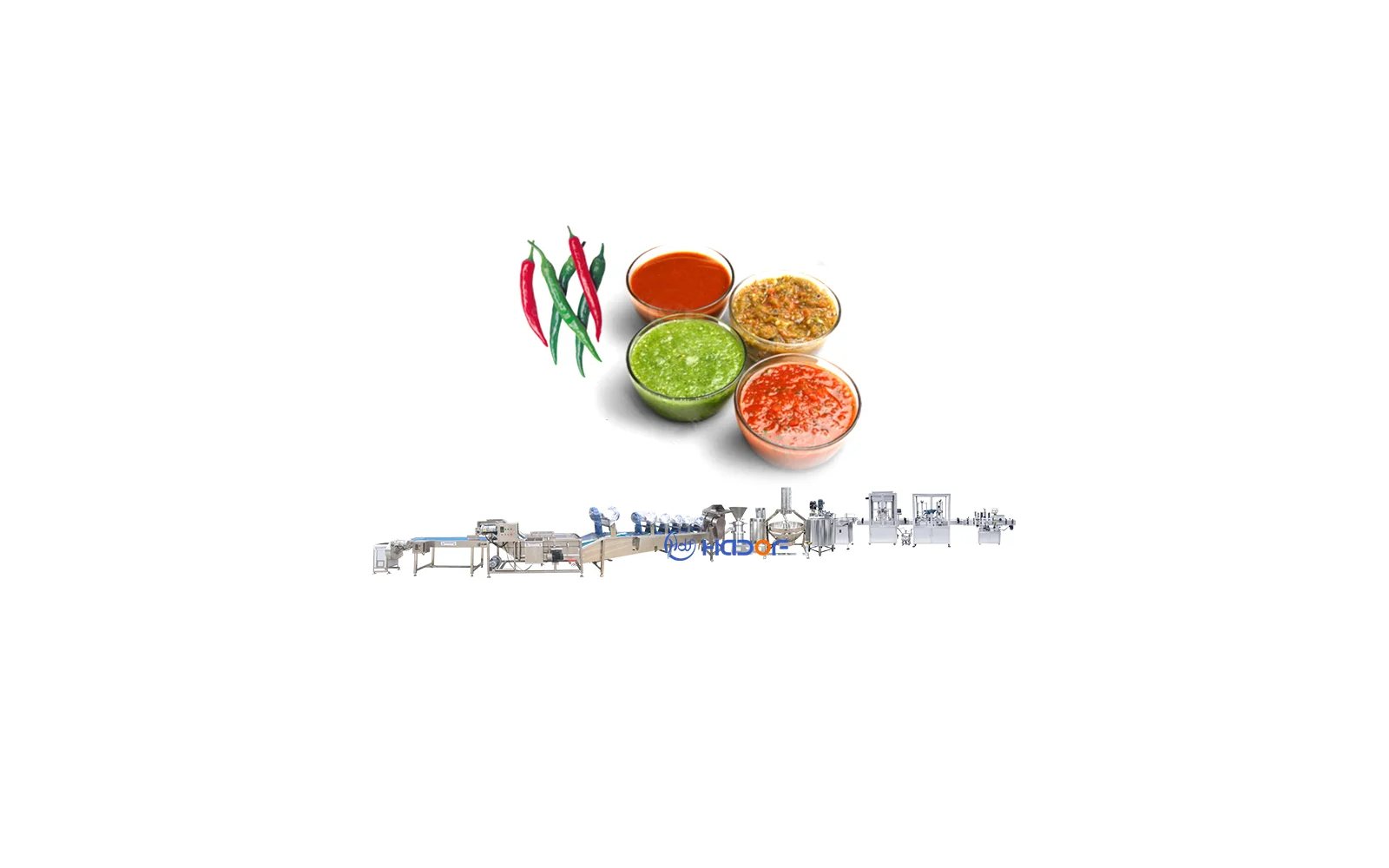
The equipment sequence is supported; suitability remains product-specific.
Supported configuration relationship
The named stages form a logical preparation-to-pack route. A comparable buyer still needs to approve the condition leaving each stage and the responsibility at every transfer.
| Feed-to-separate | Define bulb condition, feed uniformity and acceptable unseparated material. |
|---|---|
| Separate-to-peel | Define clove size range, skin condition, damage limit and any air or utility requirement. |
| Peel-to-sort | Define residual skin, breakage, discoloration and reject categories. |
| Sort-to-pack | Define fill quantity, pouch, vacuum and seal criteria plus the downstream storage boundary. |
The equipment sequence is supported by the record, but suitability remains product-specific. The record verifies that the five duties were purchased in a workable order, yet it does not verify that the sequence suits a different garlic variety, a different peel condition or a different finished product. The sequence is general; the suitability is specific.
That distinction is the core of honest reference use. A buyer can adopt the sequence as a framework, but they must test each duty against their own material. Garlic varies in clove size, skin adhesion and moisture, and a line that handled one type is not automatically right for another. The suitability test is the buyer's own trial, not the reference.
Garlic varies in clove size, skin adhesion and moisture, so a line that handled one type is not automatically right for another.
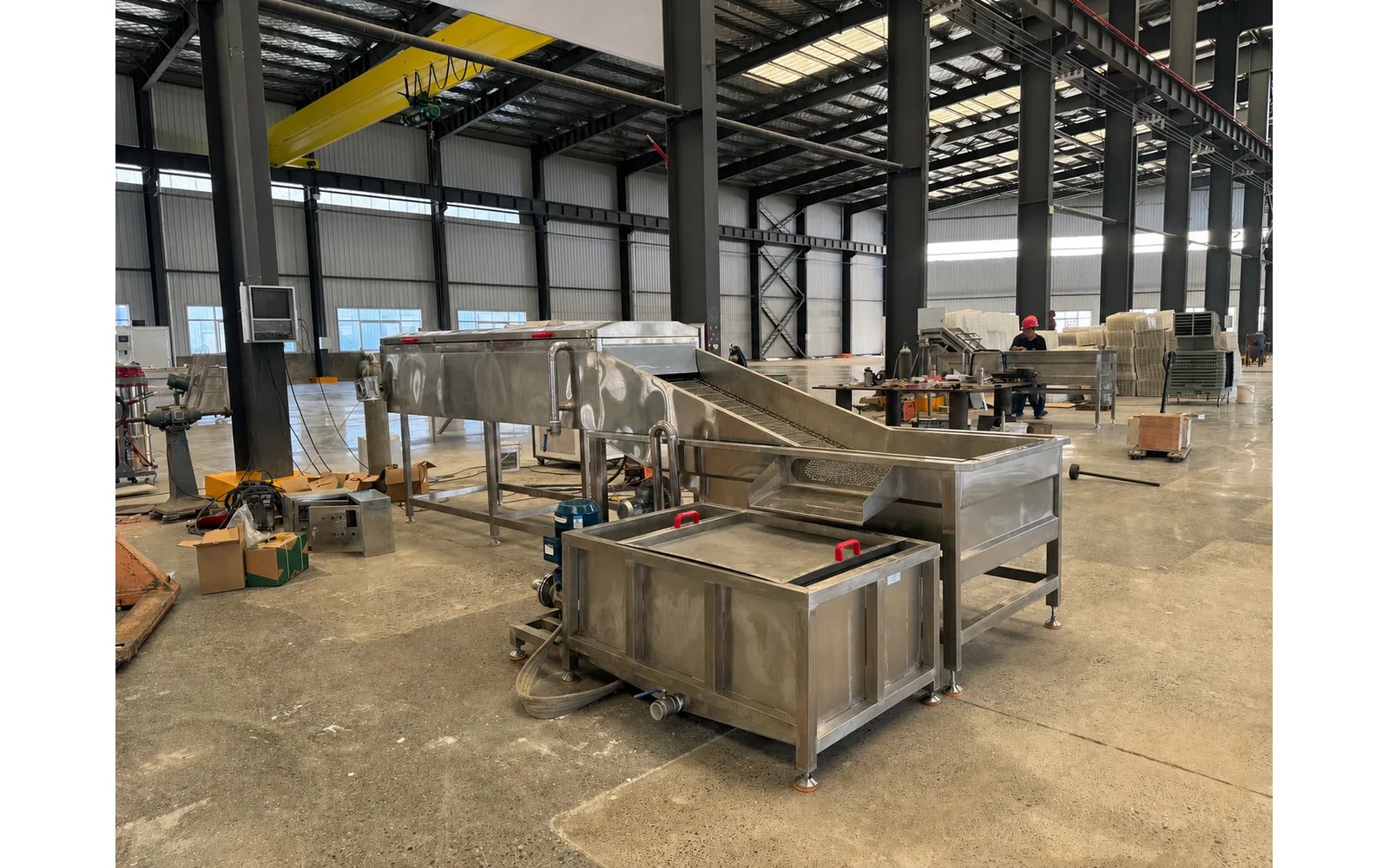
Follow the Five Connected Duties in the Recorded Line
Project scope at a glance
The project record identifies the equipment route; manufacturing, testing, shipping, installation and commissioning milestones are not included.
Garlic-processing project
The purchase was prepared for a food-processing buyer in Jordan.
Five duties identified
Feeding, separation, peeling, sorting and vacuum packing are named.
Interfaces to confirm
Product condition, stage balance, inspection, packing format and cleaning responsibilities drive a comparable scope.
Build the project basis
Confirm models, quantities, output, utilities, acceptance and site interfaces for the current inquiry.
Follow the five connected duties in the recorded line as a flow, not as five machines. The product moves from feeding through preparation to packing, and each duty hands the next a defined condition. The reference is useful because it shows the duties in order, and a current buyer can walk the same order with their own product.
At each duty, ask what the product must look like when it leaves. The feeding stage must deliver a steady stream, the preparation stages must remove the peel and reduce the size, and the vacuum packing must seal a stable product. The answers define the route, and they are the questions the reference is really prompting.
At each duty, ask what the product must look like when it leaves, and the answers define the route.
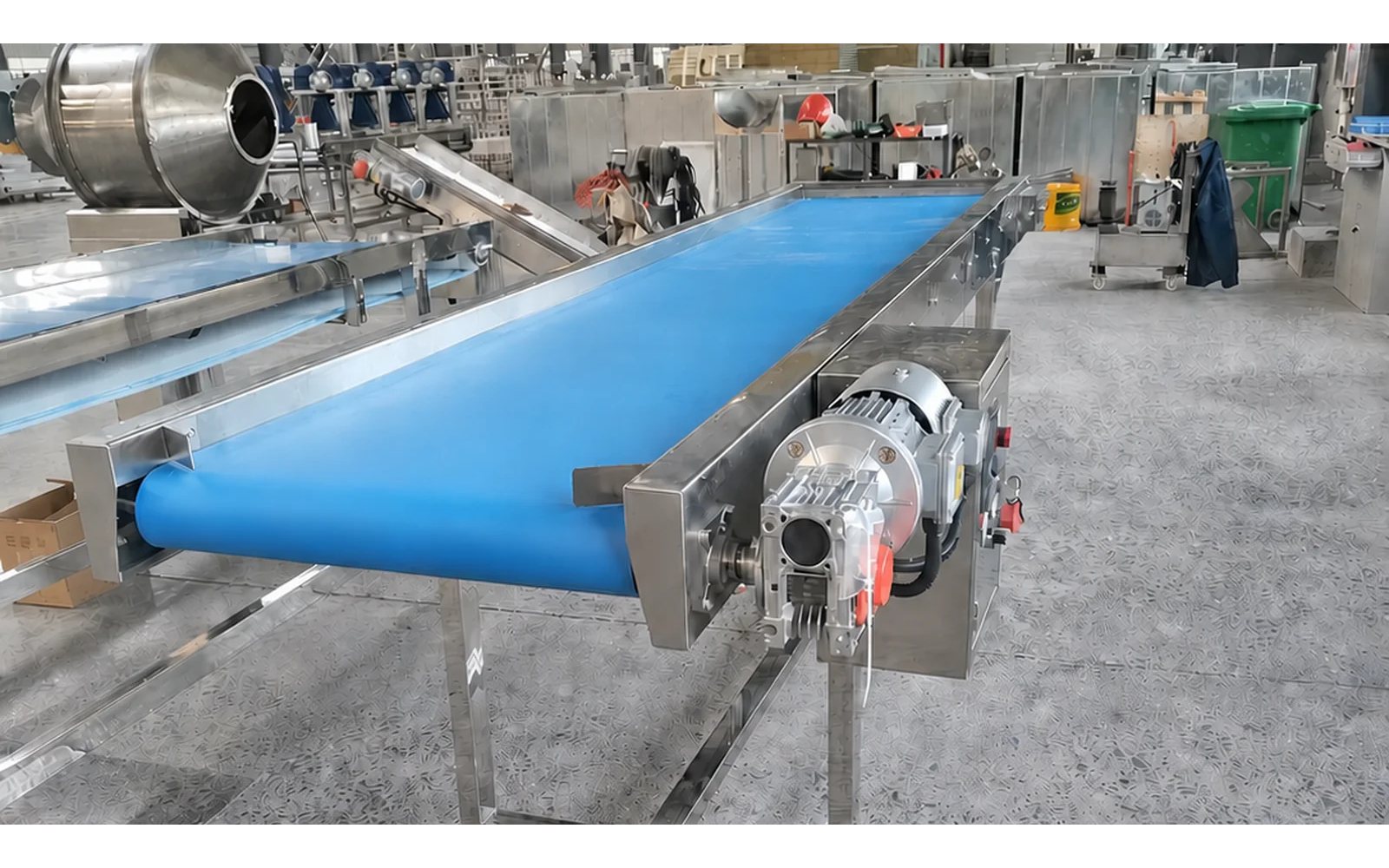
Start From the Five-Duty Route, Then Define the Current Project
How to use this project example
The available scope does not include public customer identity, commercial value, model quantities, output results, packing performance, factory acceptance or installation records. Confirm these items for the current project instead of assuming the same configuration.
Start from the five-duty route, then define the current project from the buyer's own product. The route gives the shape; the project fills in the product, the output and the finished pack. A buyer who stops at the route has a diagram, not a specification, and the equipment cannot be quoted until the specifics are added.
Write the specifics into a brief: the garlic variety and size, the throughput, the required peel removal and the finished pack format. The brief is what turns the five-duty route into a quotation and an acceptance plan. The reference is the starting point, and the brief is the document the project is actually built from.
A buyer who stops at the route has a diagram, not a specification. Add the product, the output and the finished pack, and the route becomes a brief that can be quoted and accepted.
The route gives the shape, while the brief supplies the product, the output and the finished pack that make the route quotable.
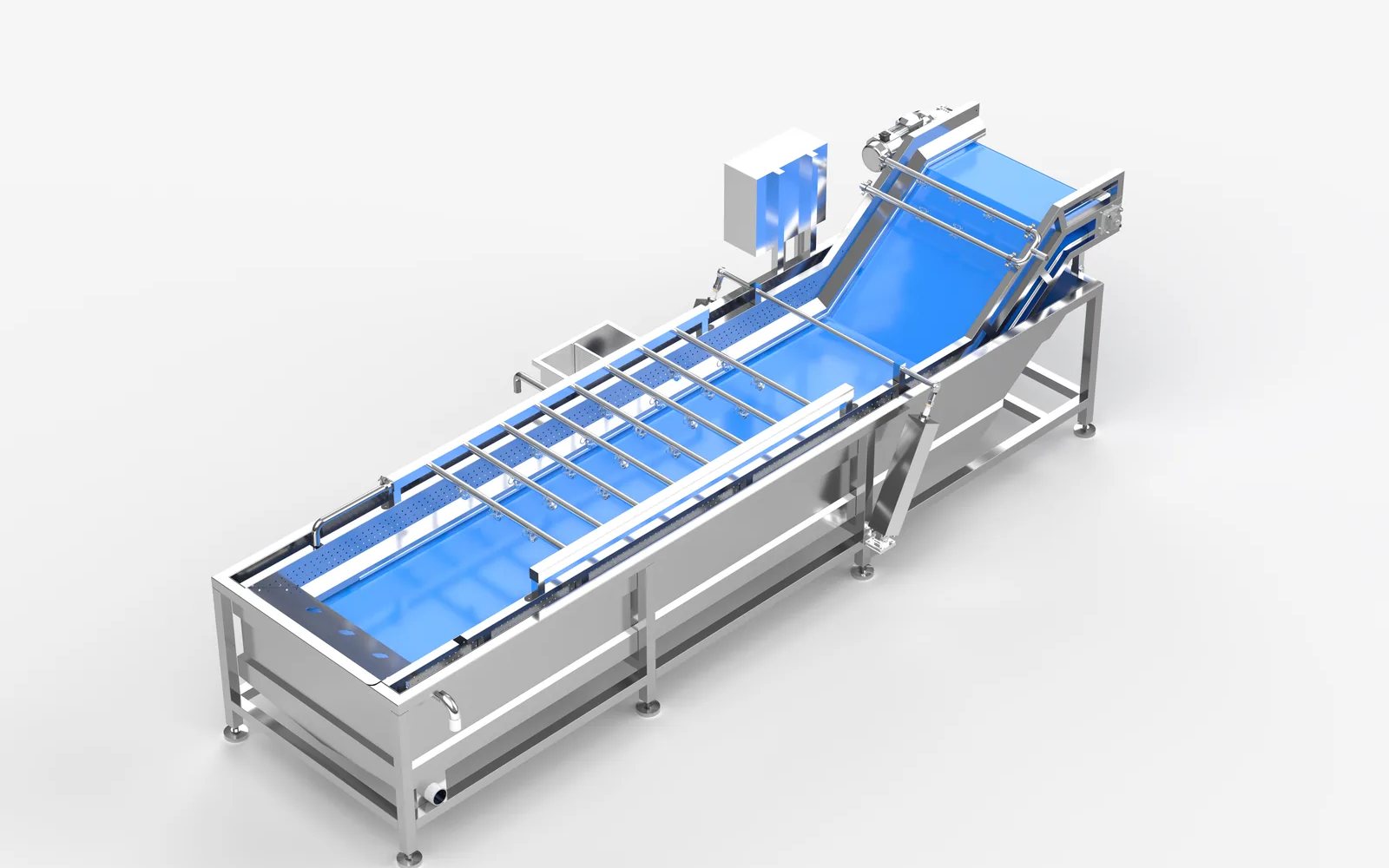
A complete equipment list still needs one product and acceptance basis.
Transferable lessons for a comparable project
Characterize the Garlic
Provide variety, bulb and clove size, dryness, skin behavior and acceptable damage.
Review Each Stage
Compare feed, separation, peeling, inspection and packing responsibilities.
Define the Factory Boundary
Add output, compressed air, power, operators, room dimensions and pack requirements.
| Destination | Jordan |
|---|---|
| Recorded process duties | Feeding / separation / peeling / sorting / vacuum packing |
| Recorded packing category | Double-chamber vacuum packer |
Frequently asked questions
What equipment does the Jordan garlic record verify?
Does this project example include model numbers or output?
Is the same configuration suitable for every garlic product?
Which utilities should a comparable buyer define?
A complete equipment list still needs one product and acceptance basis, and the reference makes that clear. The five duties and their machines are recorded, but the product they processed and the result they achieved are not. A list without a product is a category; a list with a product and an acceptance basis is a project.
Define both before ordering. Name the garlic product and its condition, and write the finished result the line must deliver, including the pack integrity and the output. The acceptance test then measures that result on the buyer's product, and the equipment list is judged by whether it reaches it, not by whether it matches the reference.
Related pages
Vegetable Processing Line
Configure root, leafy or mixed vegetable preparation around product risks, washing and cutting duties, water, factory interfaces and acceptance.
Vegetable Cutting Machine
Compare verified Hadof vegetable cutter references by crop, finished geometry, tooling, output, line handoff and acceptance requirements.
Premade Pouch Packaging Machines
Compare HDF premade pouch machines for powder and granules by bag size, dose, speed, accuracy reference, power, air and metering configuration.
Fresh Peeled Garlic Line
Configure garlic separation, peeling, washing, colour sorting and packing for fresh peeled cloves.