
Procurement context and known constraints
200 kg/h Chili Sauce Production Line
Review the process, equipment duties and project boundary from one defined basis.
The line category is known; the recipe and machine list are not.
Procurement context and known constraints
Source record HDF124 identifies a food-company buyer in Tanzania, a chili sauce production-line category and a recorded capacity of 200 kg/h. The project record does not define whether that rate refers to feed, intermediate or finished sauce.
The recorded 200 kg/h value documents this transaction category. It is not a capacity guarantee for another recipe, package or operating condition.
| Procurement goal | Purchase a chili sauce production line associated with a recorded 200 kg/h capacity. |
|---|---|
| Known constraint | No recipe, equipment list, thermal basis, package, utilities or acceptance result is available in the public source fields. |
| Comparable-project risk | Using one hourly figure without defining solids, viscosity, batch rhythm and filling condition can misstate the duty of every stage. |
| Required buyer input | Provide raw chili condition, formula, particle profile, thermal requirement, rate basis, package and operating schedule. |
The line category is known, but the recipe and the machine list are not, and that gap is the point of the reference. A chili sauce line is a category that covers many very different products: a smooth hot sauce, a chunky salsa and a fermented paste need different cooking, grinding and filling equipment. Knowing the category is a start, not a specification.
For a current buyer, the lesson is to define the sauce before defining the machines. Record the consistency, the particle size, the acidity, the oil content and the shelf-life target, because those decide the route. The category only becomes a project when the recipe and the machine list are built from that definition.
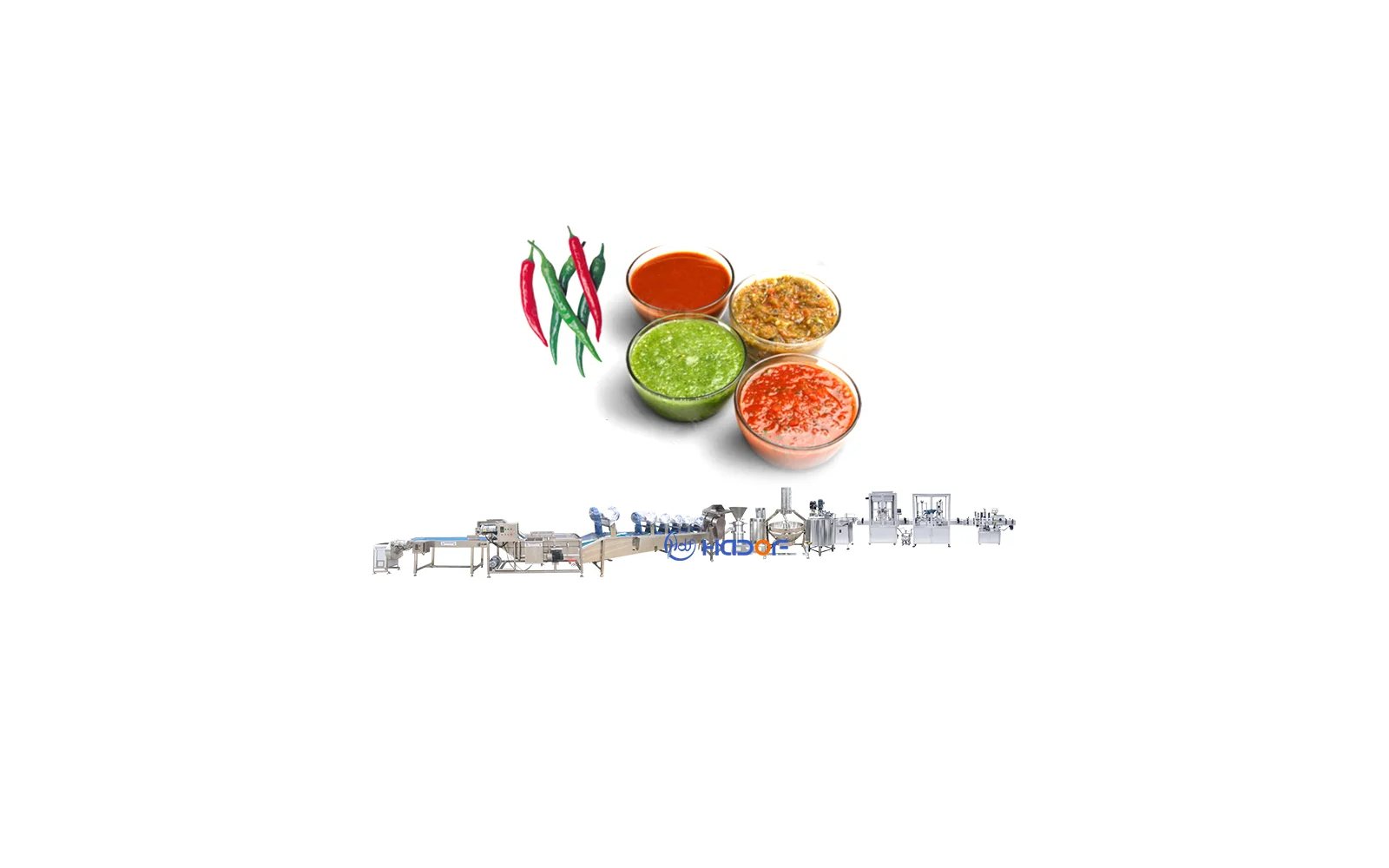
Four transaction facts can be published.
Verified scope and project basis
The project record includes the destination, buyer type, product-line category and recorded capacity.
Destination
Buyer type
A food company is recorded.
Product category
Chili sauce is recorded.
Capacity reference
200 kg/h is recorded without a published mass-balance definition.
Four transaction facts can be published, and the reference should be read exactly that tightly. The record verifies the market, the product category, the capacity figure and the purchase, while leaving the recipe, the machine list and the performance unrecorded. Keeping the claim to those four facts is what makes the reference honest and useful.
A buyer should apply the same discipline to any reference. List what the source actually verifies, refuse to infer the rest, and then ask what additional evidence the new project needs. The four facts frame a conversation about a chili sauce line, but they cannot size a cooker, a homogeniser or a filler, which require the buyer's own recipe.
The four facts frame a conversation about a chili sauce line, but they cannot size a cooker, a homogeniser or a filler, which require the buyer's own recipe.
Ask what additional evidence the new project needs, and gather it from the buyer's own recipe before any machine is chosen.
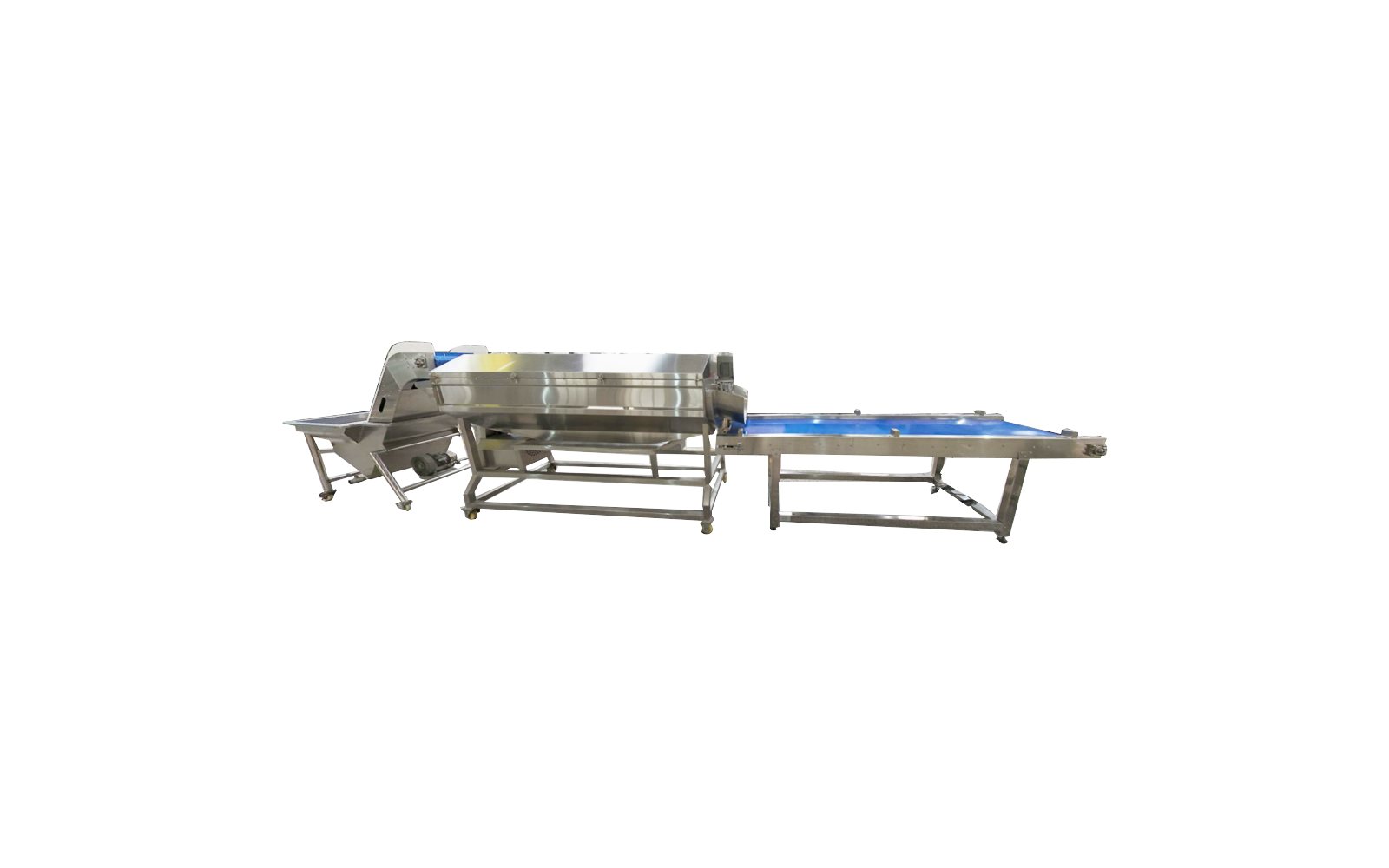
Convert the sauce specification into duties before choosing equipment.
Configuration and process architecture
The transaction does not provide the purchased stage list. The route below is a technical-review framework for a comparable chili sauce project, not a claim about HDF124.
| Prepare | Define receiving, washing, trimming and foreign-material control from the raw chili condition. |
|---|---|
| Develop particles | Define required particle profile, solids behavior and whether crushing, grinding or pulping duties apply. |
| Blend and heat | Define recipe addition, mixing, thermal basis, batch or continuous rhythm, hold condition and transfer. |
| Fill and hand off | Define container, fill weight, fill temperature, closure, cooling and downstream packing responsibility. |
Convert the sauce specification into duties before choosing equipment. The recipe becomes a list of processing duties: wash and destem the chili, reduce the particle size, cook or pasteurise, homogenise, hold and fill. Each duty is then matched to a machine, and the machine list follows from the sauce instead of preceding it.
Write each duty with a measurable output. Grinding must reach a particle size, cooking must reach a time-temperature combination, and filling must reach a weight and a seal. When the duties are measurable, the equipment can be quoted, tested and accepted against them, and the sauce specification becomes the project's single source of truth.
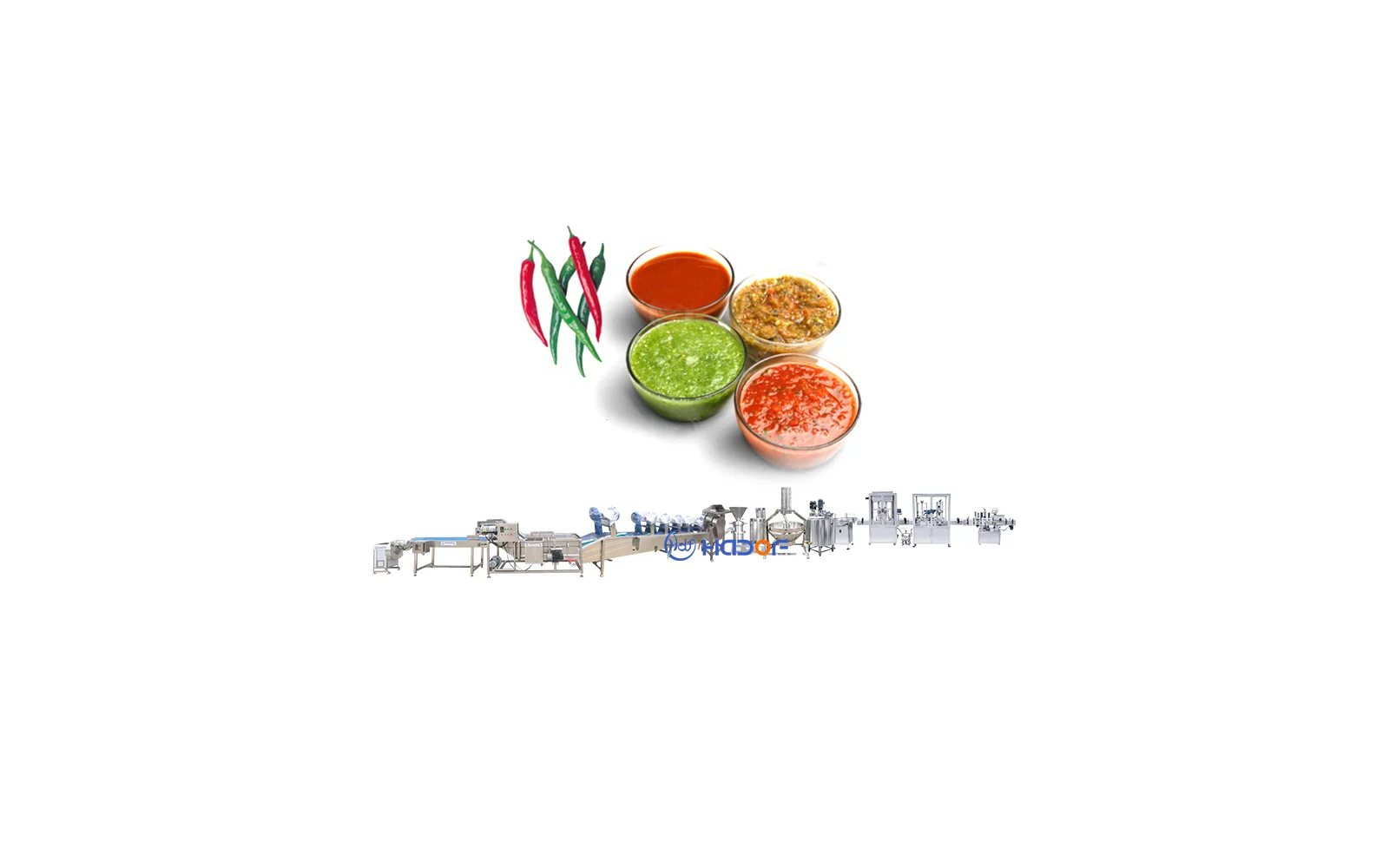
Four inputs can change the equipment combination.
Parameter consequences for a comparable project
These are selection consequences, not performance statements for the recorded Tanzania project.
Viscosity and particles change handling.
Provide the approved formula, particle profile and representative material for the engineering review.
State what the kilograms measure.
Clarify raw input, intermediate mass, finished sauce, batch size, batches per day and operating hours.
The recipe and process authority define the requirement.
The buyer must provide or approve the thermal requirement; the website does not invent time or temperature values.
Filling is selected after the package is known.
Container, fill size, fill temperature, closure and cooling requirements change the filling boundary.
Four inputs can change the equipment combination: the sauce's viscosity and particle size, the required output, the pack format and the thermal or preservation requirement. Change any one of them and the machine list changes, sometimes dramatically. A smooth sauce in a small bottle is a different line from a chunky sauce in a large jar.
A current buyer should fix those four inputs before requesting a quotation. Suppliers cannot propose a coherent combination while the sauce, the output, the pack and the preservation method are still moving. Fixing them turns the quotation into a comparison of engineering rather than a guess at what the buyer might eventually want.
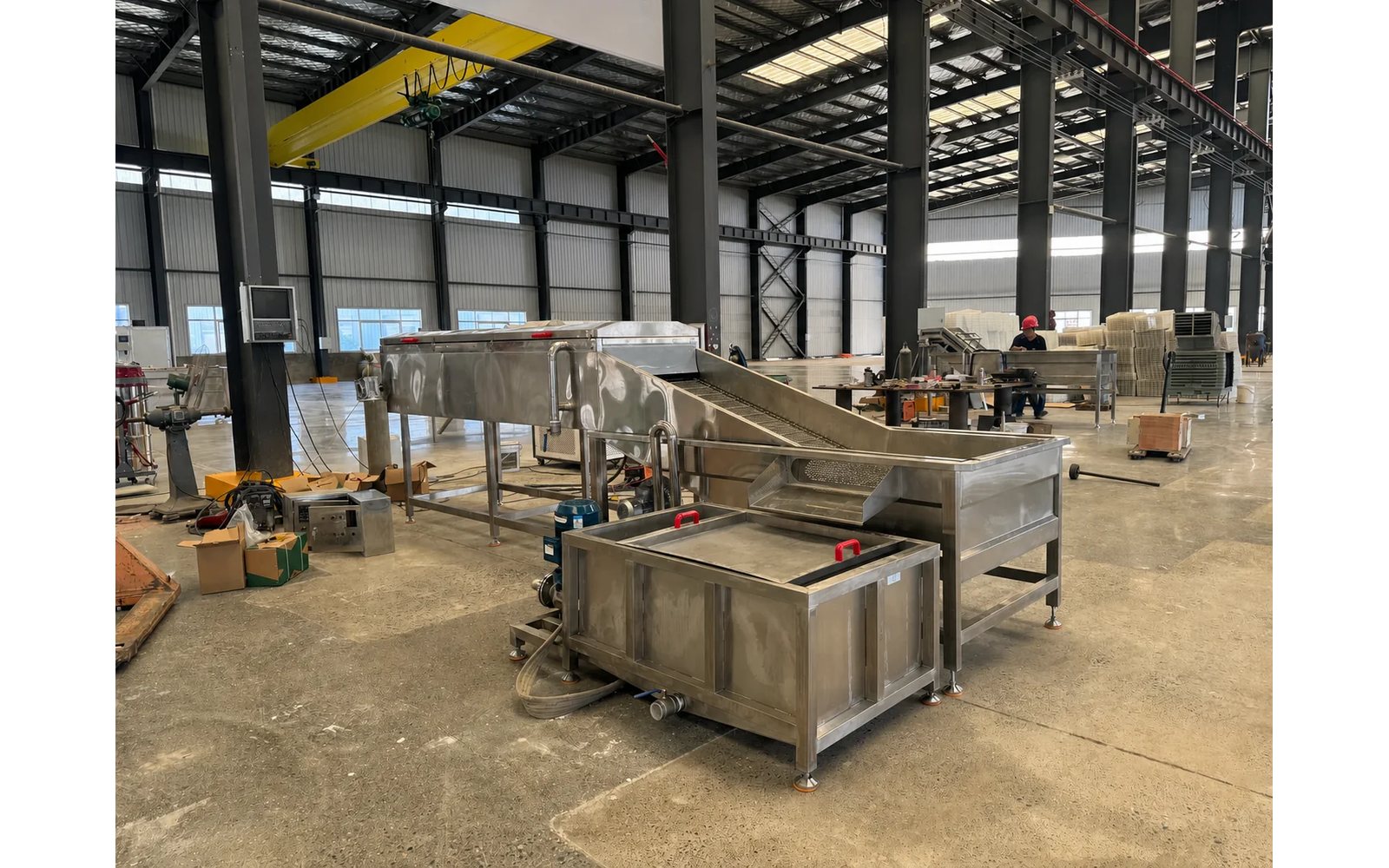
Use the Recorded Duty as a Starting Point, Not a Production Guarantee
Project scope at a glance
The available project record does not include equipment approval, quality review, packing, shipping, installation, test or operating milestones.
Food-company project
The chili-sauce line was prepared for a buyer in Tanzania.
Production basis identified
The recorded project category includes a 200 kg/h reference.
Scope to define
Recipe, process stages, hygiene, heating, filling and utility responsibilities require project confirmation.
Agree the acceptance method
Confirm equipment, test product, measurements, site interfaces and production handoff for the current inquiry.
Use the recorded duty as a starting point, not as a production guarantee. The record shows what category of line was purchased and at what capacity figure, but it does not show the sauce that was made, the yield or the buyer's production results. The duty is a reference point, and the guarantee must come from the buyer's own trial.
Keep the two roles separate in the review. The reference frames the discussion and suggests a capacity; the buyer's trial on their own recipe is what establishes the real output and quality. Confusing the two is how a buyer ends up holding a supplier to a reference that was never about their product.
Confusing the reference with a guarantee is how a buyer ends up holding a supplier to a record that was never about their product.
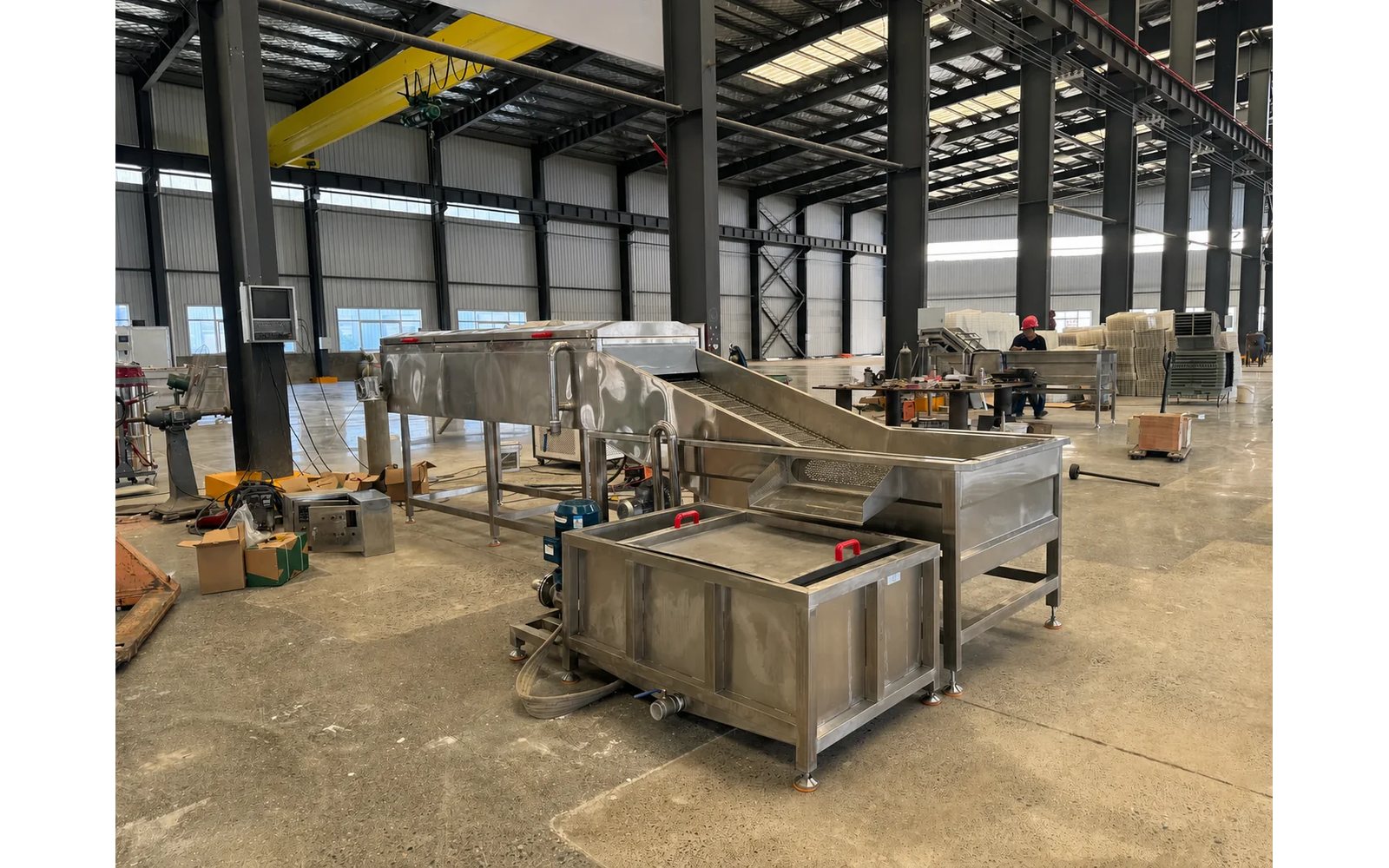
The verified result is a recorded 200 kg/h chili sauce line transaction.
Project scope and next decision
Customer identity and private commercial information remain confidential.
The verified result is a recorded 200 kg/h chili sauce line transaction, and the claim should stay inside that boundary. The record verifies the market, the category, the capacity figure and the purchase, and it does not verify the sauce, the yield or the finished quality. The 200 kg/h figure is a transaction fact, not a performance promise.
A current buyer should treat capacity figures in the same careful way. A 200 kg/h figure means nothing until the sauce, the pack and the operating pattern are defined, because the same line makes very different amounts of a thin sauce and a chunky paste. The figure is a starting point for the buyer's own calculation, not the end of it.
A 200 kg/h figure means nothing until the sauce, the pack and the operating pattern are defined, because the same line makes very different amounts of a thin sauce and a chunky paste.
Treat the figure as a starting point for your own calculation rather than the end of it, and the quotation that follows can be held to the real product.
The fact and the promise are different, and the buyer keeps them apart.
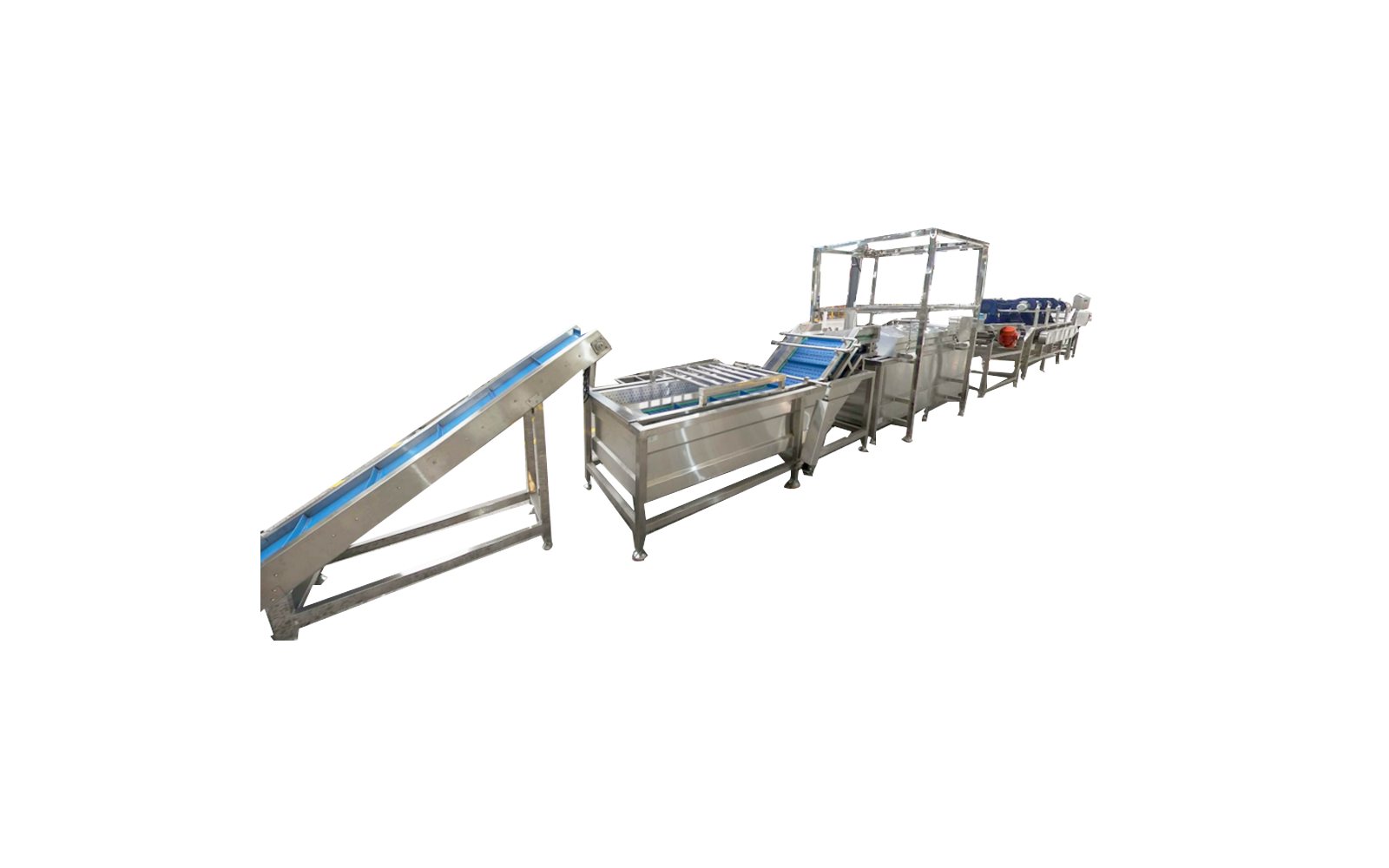
Define the mass, recipe and package behind the capacity request.
Transferable lessons for a comparable project
Build From the Recipe
Translate raw material, particle profile, thermal duty and filling into equipment responsibilities.
Connect Raw Preparation
Review washing, trimming, reduction and sauce-processing interfaces together.
Freeze Inclusions and Exclusions
Record utilities, transfers, controls, cleaning, packing, delivery and acceptance.
| Destination | Tanzania |
|---|---|
| Recorded product category | Chili sauce |
| Recorded capacity reference | 200 kg/h |
| Capacity definition | Confirm whether the project value refers to raw input, intermediate product or finished sauce |
Frequently asked questions
What does the Tanzania chili sauce record verify?
Does 200 kg/h guarantee the output of another sauce line?
Which equipment was included in the recorded project?
What information is required for a comparable chili sauce line?
Define the mass, the recipe and the package behind the capacity request before the line is sized. The 200 kg/h figure only becomes meaningful when the sauce's density and viscosity, the recipe's processing steps and the pack format are known, because each of them changes the equipment and the real output.
Write those definitions into the enquiry. State the sauce and its consistency, the required output, the pack format and the preservation method, and let the supplier size the line from those. The capacity request is then a product definition, and the quotation that comes back can be held to it instead of to a number with no product behind it.
Related pages
Chili Sauce Production Line
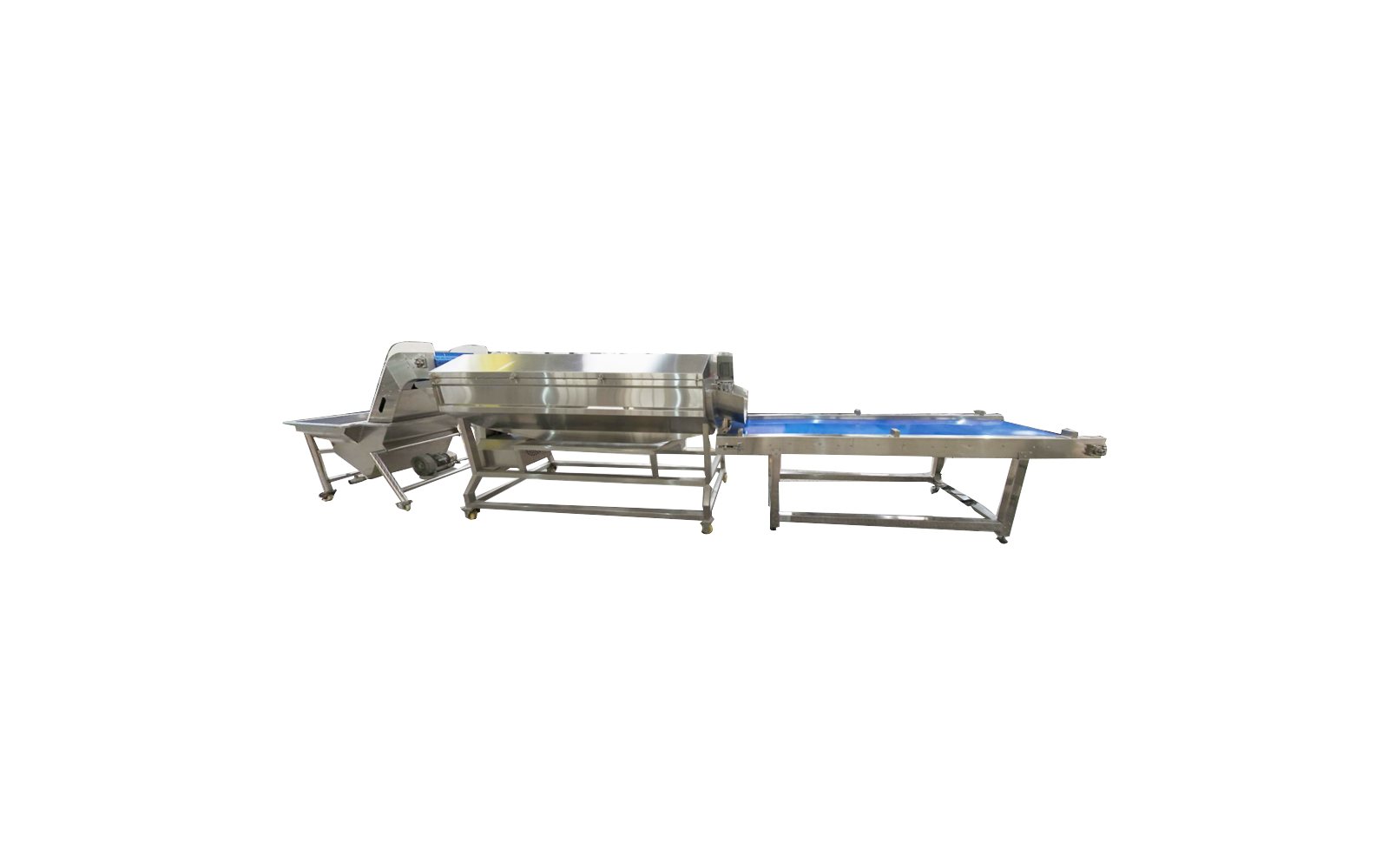
Define chili receiving, washing, particle development, cooking, holding, filling and cleaning duties from the approved recipe and package.
Bottle Filling and Packaging Lines
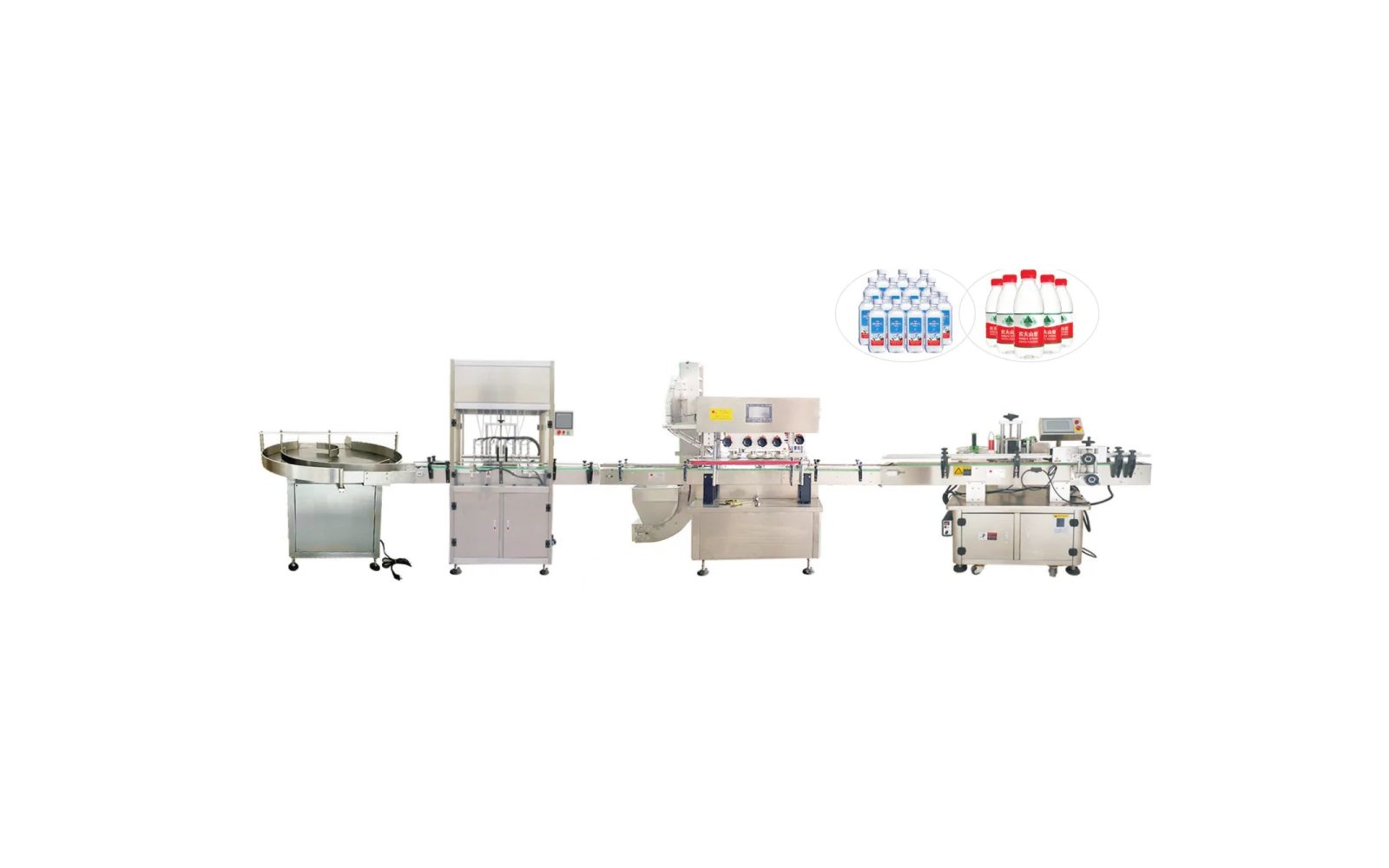
Compare HDF liquid, powder and granule bottle filling references with capping, can sealing and labeling by range, speed, power and container size.