
Design for the Factory That Will Run It.
Choose the operating environment first; product mix, zoning and utilities change the right system.
Open the Route Closest to Your Factory
Each module connects operating priorities to relevant solutions, equipment duties and technical-review inputs.
Central Kitchens
Plan shared preparation capacity around menu peaks, ingredient families, zoning and dispatch windows.
Snack Food Processing
Coordinate geometry, coating, thermal duty, seasoning and packing as one operating chain.
Fruit and Vegetable Processing
Match cleaning and handling intensity to soil load, fragility, cut specification and preservation route.
Frozen Prepared Foods
Balance preparation and thermal stages before defining freezer loading and refrigeration boundaries.
Open the industry route closest to the factory: central kitchens, snack food, fruit and vegetable processing, and frozen prepared foods. Each route describes the product changes and equipment duties for that sector, so the buyer starts from the operation they actually run.
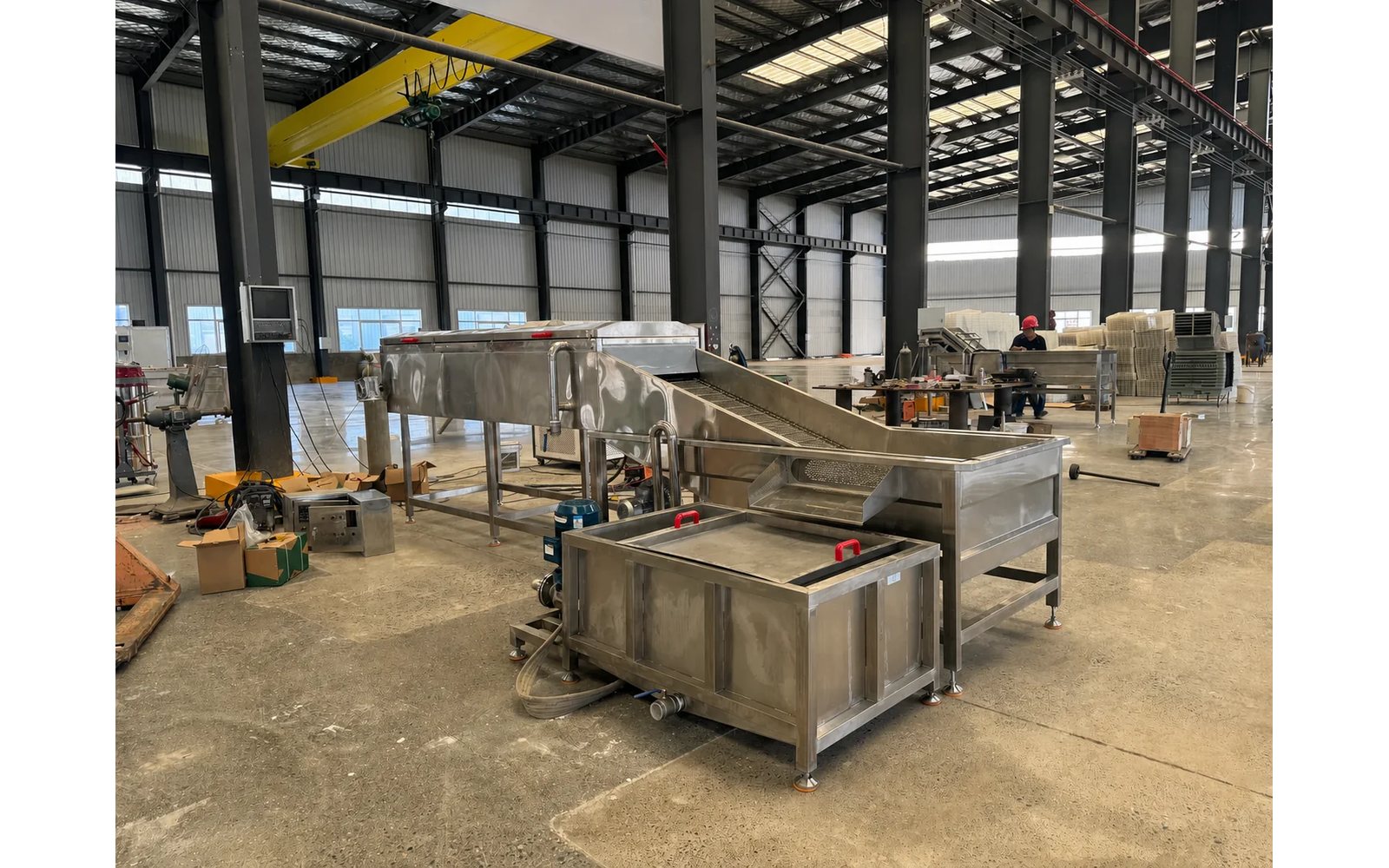
Start With What Changes During a Production Day
Name the variation the system must absorb before fixing line capacity or equipment configuration.
Product mix
Raw materials, recipes, geometry and finished states that share the line.
Demand peaks
Peak-hour output, batch rhythm, buffers and downstream dispatch windows.
Changeovers
Cleaning, allergen or recipe boundaries, downtime and labor sequence.
Factory flow
Raw-to-clean zoning, people paths, product transfer and service access.
Start with what changes during a production day: the product mix, the demand peaks, the changeovers and the factory flow. Those four are the operating context that decides the equipment, and starting from them keeps the line matched to the real working pattern.
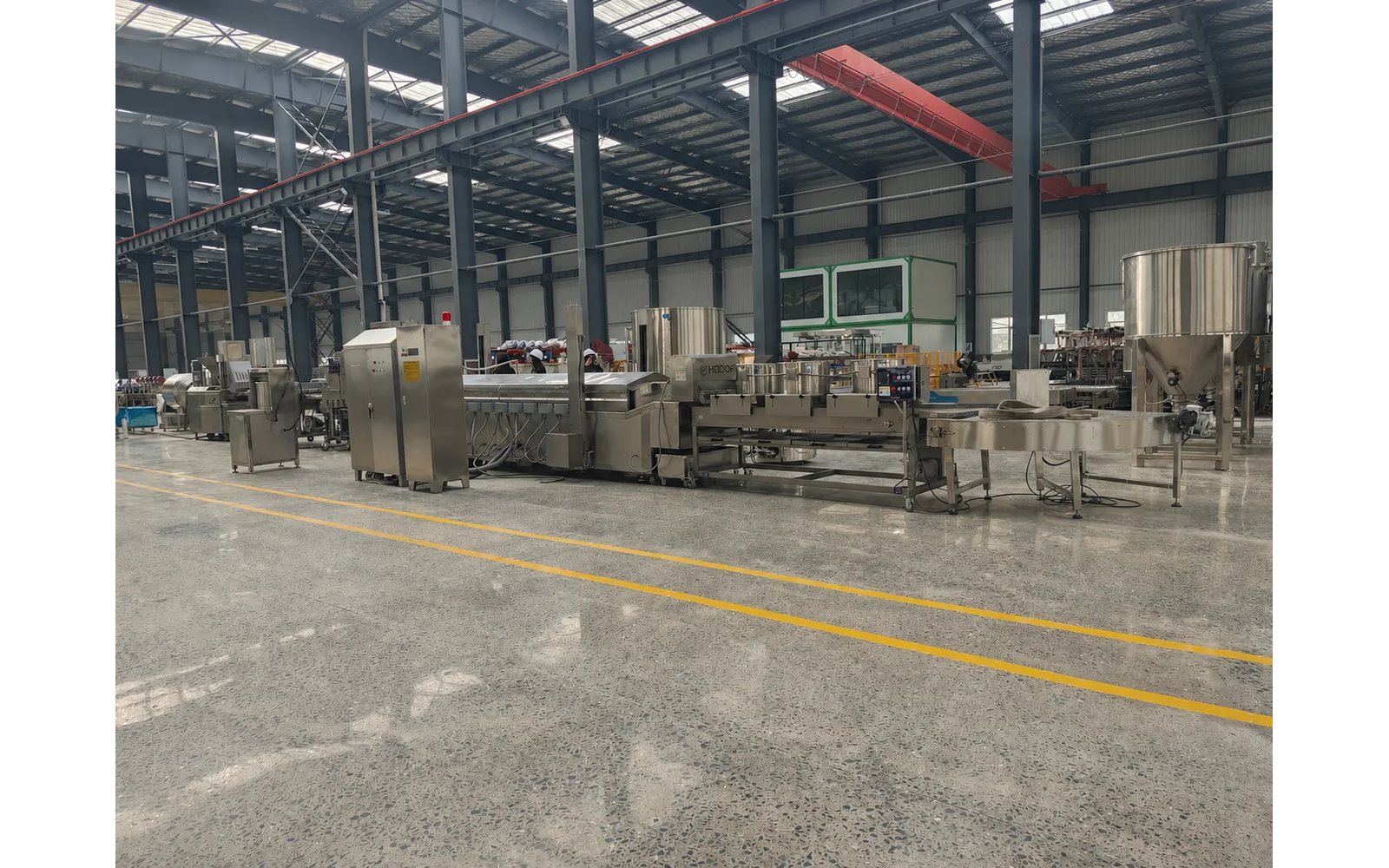
Translate the Operating Context Into Equipment Duties
The same machine family can require a different configuration when product and factory conditions change.
- 01DemandProducts, packs and operating rhythm
- 02RiskFood behavior and control points
- 03RouteProcess stages and handoffs
- 04DutyEquipment responsibilities
- 05FactoryLayout, utilities and zoning
- 06EvidenceReview and acceptance records
Translate the operating context into equipment duties rather than into a machine list. A demand peak becomes a required rate, a product mix becomes changeover and cleaning duties, and the factory flow becomes infeed, transfer and utility interfaces that the equipment must satisfy.
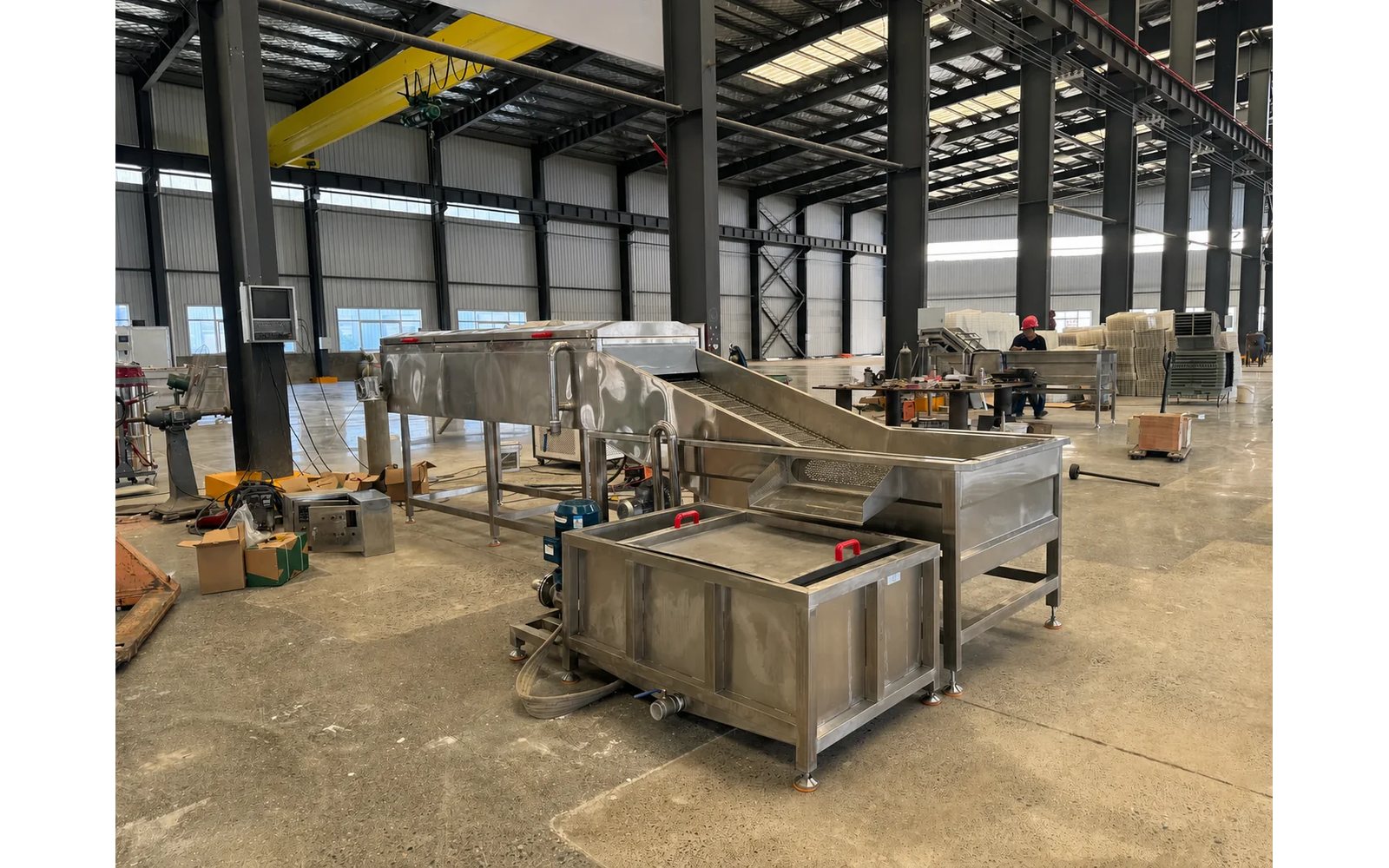
Use the Industry Route to Reach Technical Detail
Every industry module links into product solutions, equipment comparison, engineering controls and Documented cases.
See how the food changes through the line.
Review process stages, critical handoffs and configurable equipment duties.
Coordinate the equipment with the factory.
Map layout, utilities, controls, access and acceptance boundaries.
Review evidence without overclaiming.
Separate verified transaction scope from unpublished or unconfirmed detail.
Use the industry route to reach technical detail: see how the food changes through the line, coordinate the equipment with the factory, and review evidence without overclaiming. The route carries the buyer from a sector name to a reviewable process question.
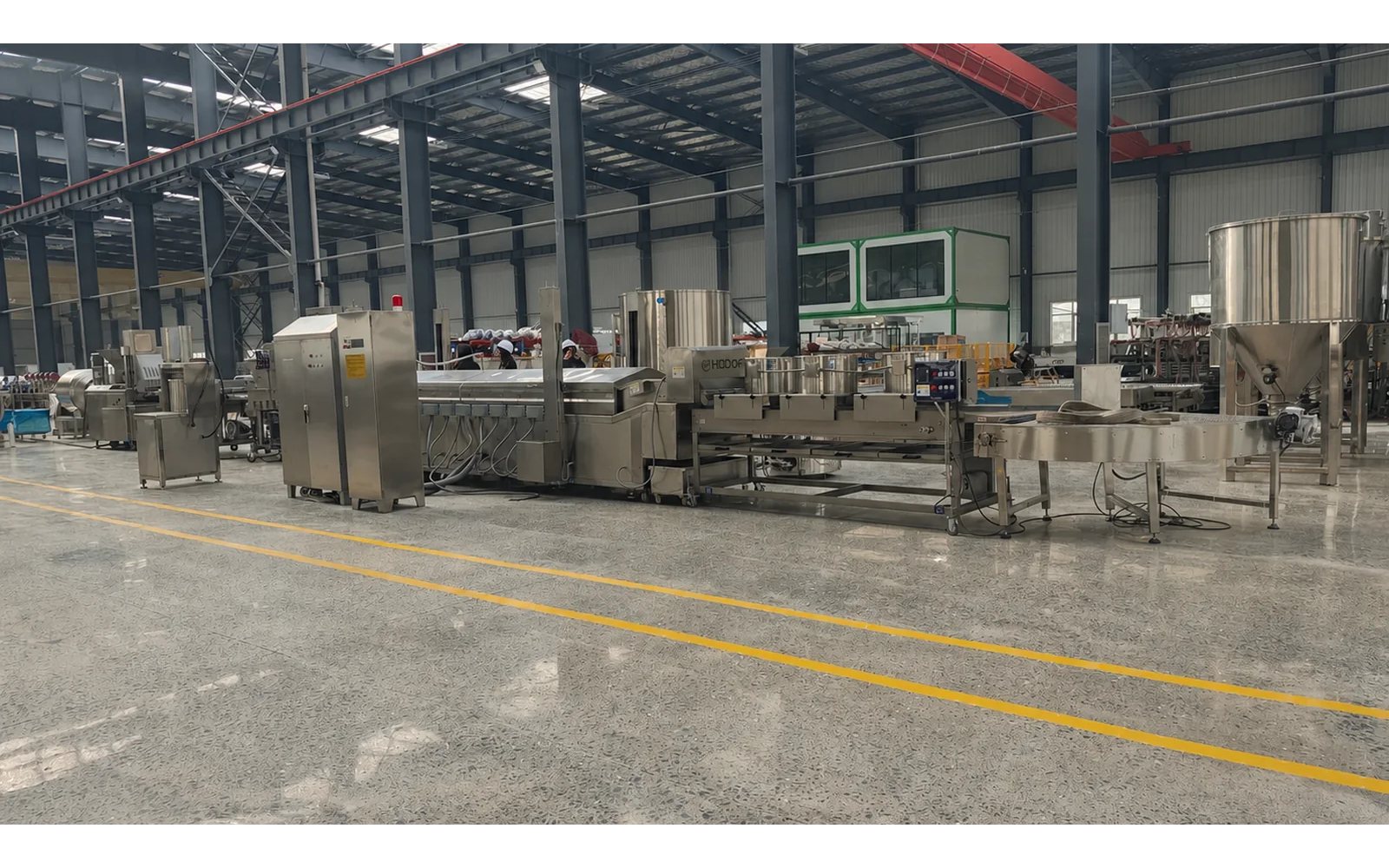
Describe the Operation Before Requesting a Model
Name each missing input and assign it to the buyer, supplier or site-design team.
- PortfolioProducts, recipes and pack formats
- RhythmPeak rate, shifts and changeovers
- FactoryRooms, zoning, access and utilities
- TargetFinished condition and acceptance basis
Explore this section
Central Kitchen Processing Solution
Plan central kitchen preparation zones, peak-hour capacity, batch cooking duties, utilities and dispatch interfaces from one menu and facility basis.
Snack Food Processing Systems
Review snack food forming, coating, frying, cooling, seasoning and packing duties from product criteria through factory and acceptance boundaries.
Fruit & Vegetable Processing Systems
Configure washing, peeling, cutting, thermal preparation, freezing or sauce processing around crop condition and finished-product requirements.
Frozen Food Processing Systems
Balance preparation, thermal processing, cooling, quick-freezing and refrigeration responsibilities from one approved frozen-product basis.
Describe the operation before requesting a model, because a sector name is not a specification. The product, the finished target, the output and the factory conditions are what turn an industry route into a specific line, and they are the minimum the technical team needs.
All Applications
Every page in this topic, grouped for quick navigation.