
Pharmaceutical Freeze Dryer Procurement Checklist
Turn a catalogue specification into a reviewable purchase by defining product, sterile boundary, validation and acceptance before ordering.
Fix the Product Basis Before Comparing Machines
Equipment quotations only become comparable when every supplier reviews the same product and regulatory basis. Prepare these inputs first.
Molecule and dose form
Liquid injection, freeze-dried powder, microsphere or non-pharmaceutical cosmetic peptide; registered or in development.
Vial and fill
2R/4R/6R/10R or φ12/φ16/φ22 mm, liquid fill volume, vials per batch and target annual batches.
Cycle and endpoint
Critical temperature, residual moisture target and expected lyophilisation cycle length.
Facility and utilities
Cleanroom class, loading route, isolator/RABS, CIP/SIP, available power, cooling, nitrogen, UPS or generator.
The product basis is the only way two supplier quotations describe the same machine. Without it, one supplier sizes for a research batch, another for a commercial one, and the prices cannot be compared. Record the molecule, the dose form, the vial, the fill volume and the target batches before any catalogue is opened.
Keep the regulatory path in the same record. A product that must be registered as a sterile injection imposes a different chamber, loading route and documentation set than a cosmetic or non-sterile peptide, and the machine must match the path, not just the chemistry.
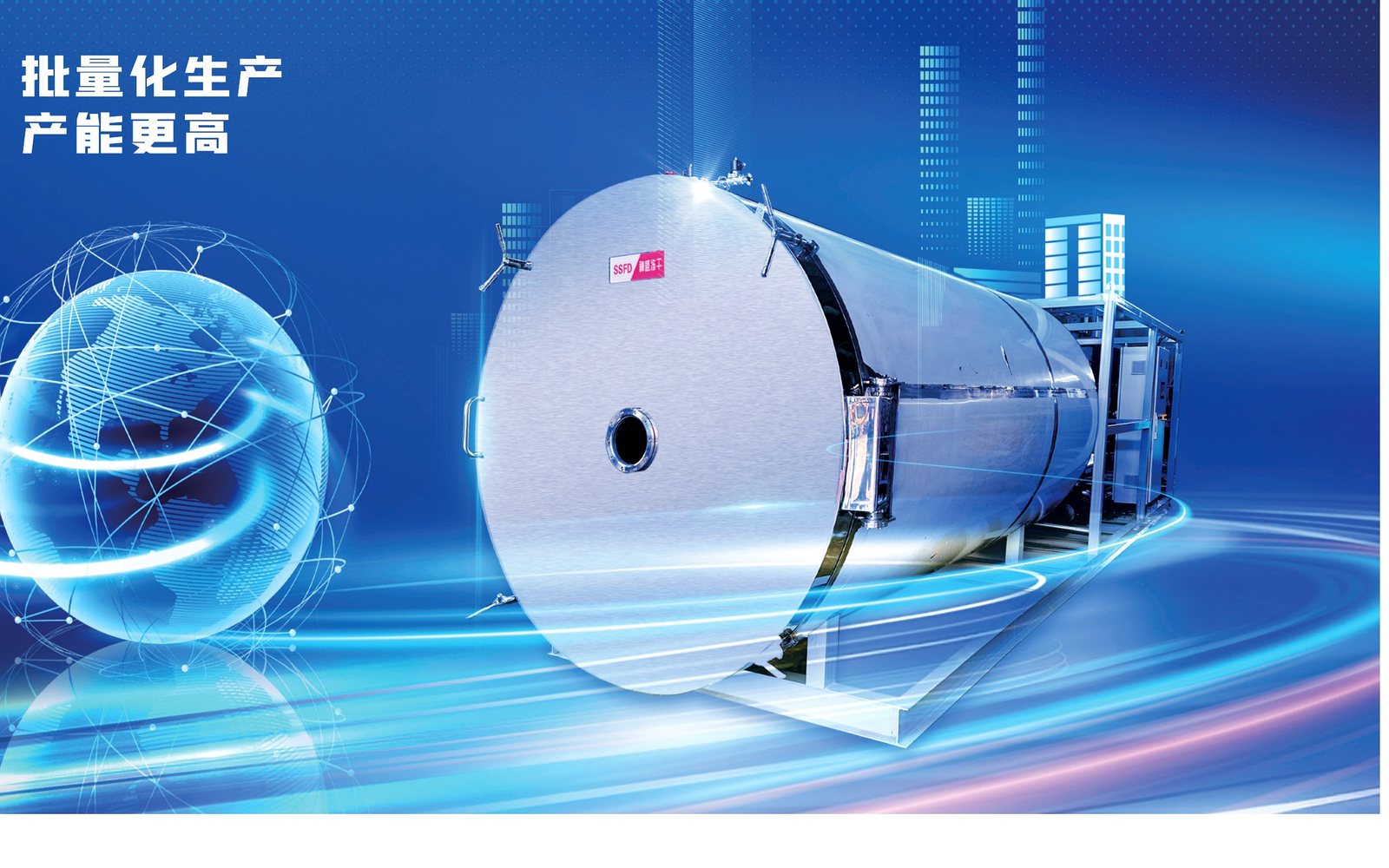
Attach the product basis to the request for quotation and refuse any proposal that does not repeat it back.
Write a URS the Supplier Must Answer
A one-line compliance claim is not a specification. Require a URS response matrix that maps every requirement to a design, test or document.
| Chamber material and finish | 316L for product or steam contact, material certificates, weld and roughness evidence |
|---|---|
| Cleaning and sterilization | CIP/SIP or a validated cleaning boundary; condenser defrost and drainage design |
| Loading and stopper control | Half-stopper loading, clean-side transfer, stopper force and travel repeatability |
| Data integrity | User levels, audit trail, time synchronisation, backup, e-signature, Part 11 / GAMP 5 |
| Validation | DQ/IQ/OQ/PQ, temperature mapping, vacuum leak, stopper repeatability, FAT/SAT |
A URS works only when the supplier answers it requirement by requirement. For each line, the response should point to a design, a test or a document, so a claim of cleanability or data integrity is connected to evidence instead of floating as a phrase. A matrix with blank boxes is the clearest view of what has not been verified.
Include the boundary conditions in the URS: the cleanroom class, the loading route, the utilities and the acceptance method. The URS is not a wish list; it is the specification the quotation must satisfy, and a supplier who cannot answer it fully has told the buyer exactly where the project risk sits.
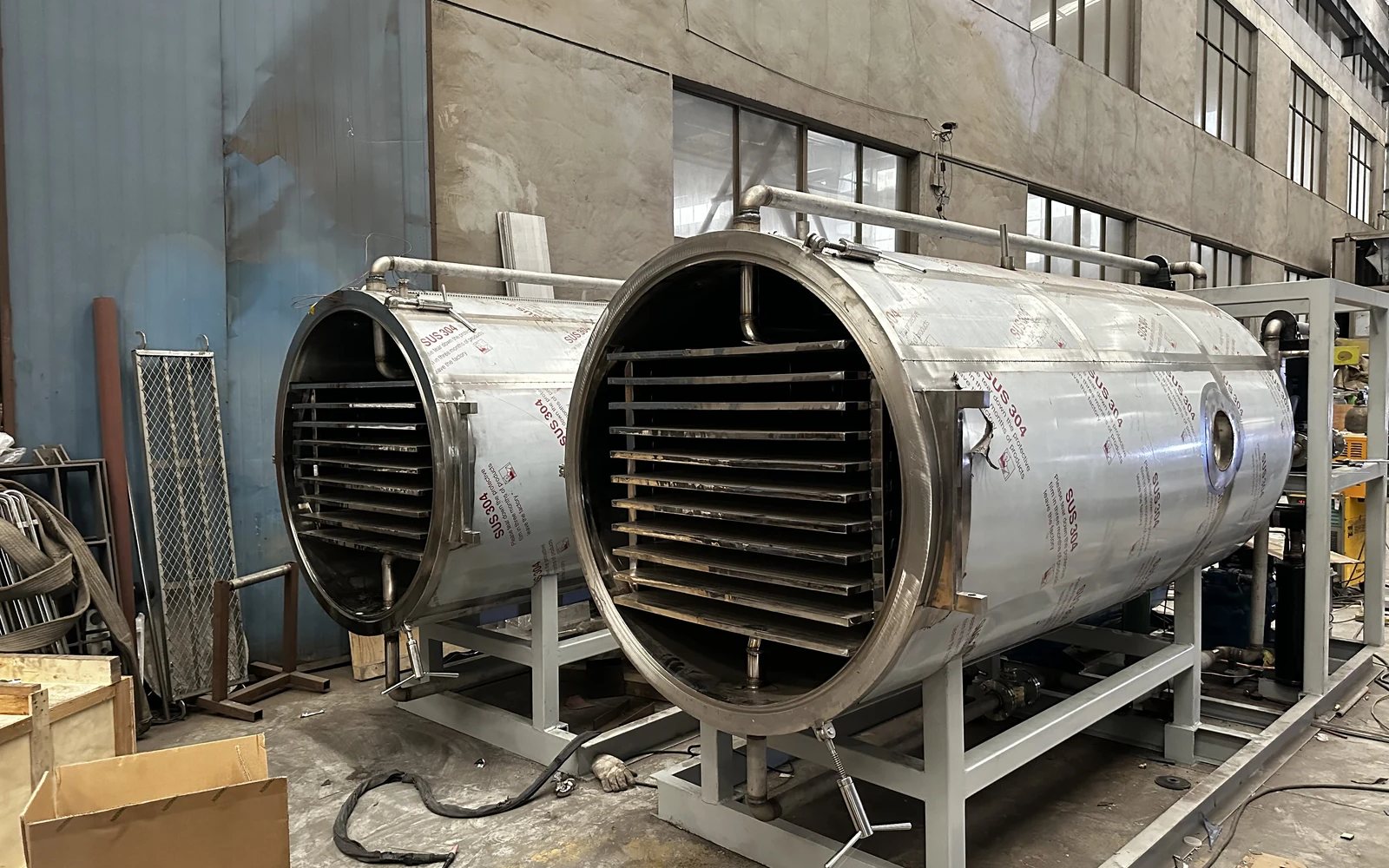
Match Configuration to Intended Use
| Research | Universities and formulation labs; recipe flexibility and curve export; no commercial GMP claim |
|---|---|
| Pilot-GxP | Pharma R&D and pilot; calibration, material certificates, FAT/SAT, IQ/OQ and audit trail |
| Commercial GMP | CDMO, vaccines and registered drugs; 316L, CIP/SIP, isolator interface and full data integrity |
The configuration follows the intended use, and the three levels exist to stop the buyer from over- or under-buying. Research equipment prioritises recipe flexibility and data export; a pilot or GxP machine adds calibration, material certificates and validation documentation; a commercial GMP line adds 316L contact parts, CIP or SIP, an isolator interface and full data integrity.
Choose the level that matches the project now, and plan the upgrade path. A formulation team should not pay for a commercial sterile package it cannot use yet, but it should confirm that the platform can be upgraded as the product moves toward registration. State the intended use in writing and let it drive every later decision, from the chamber material to the validation scope.
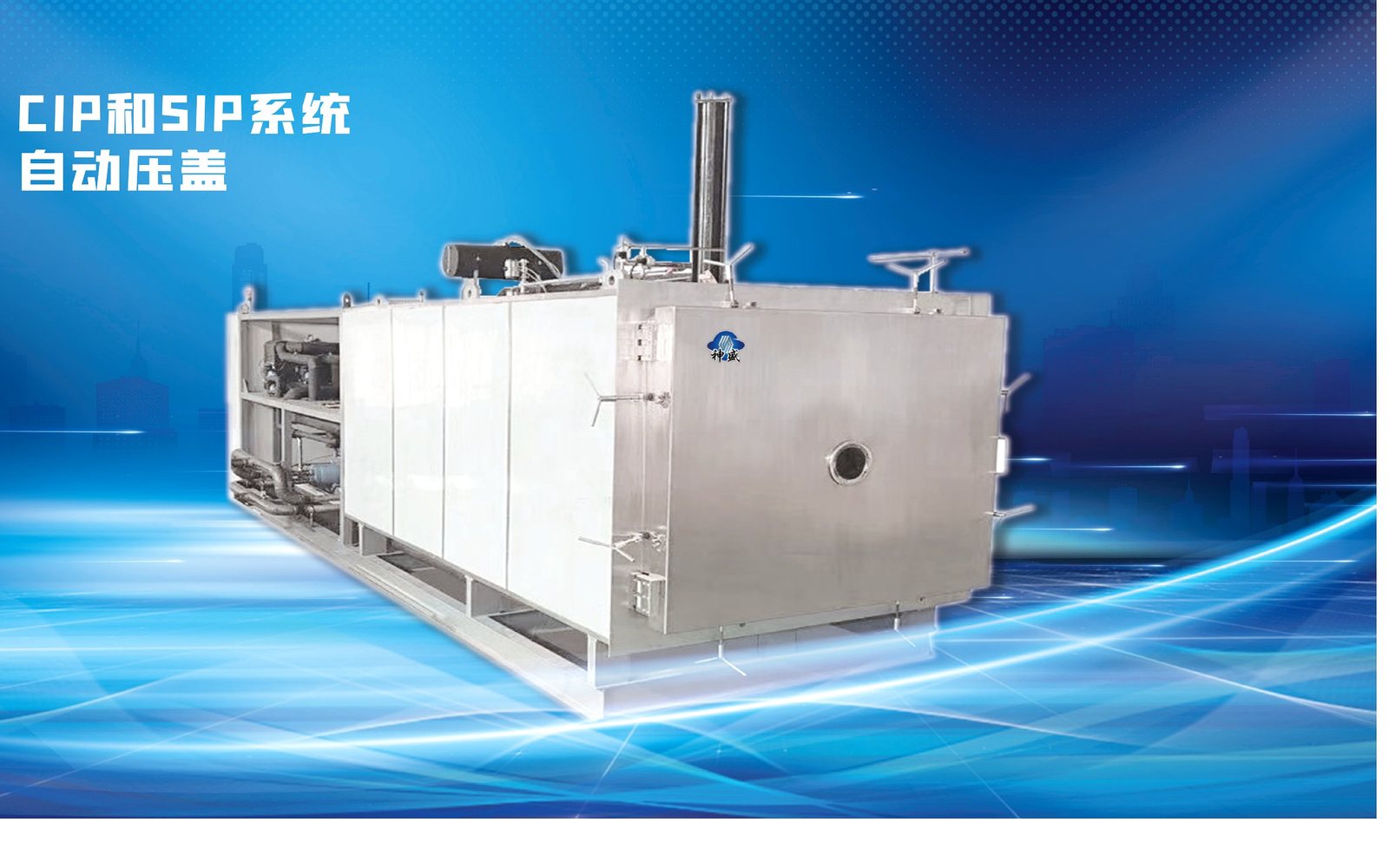
Where the project will later move up a level, ask which components carry over and which must be replaced, so the first purchase is not stranded by the second.
The intended use is the anchor for the configuration.
Check Utilities and Local Service Before Signing
Confirm destination voltage and frequency, power, cooling, refrigerant route, spare parts and local response time. A machine without service and spares converts every stoppage into batch risk.
Utilities decide whether a machine that works in the factory will work at the site. Confirm the voltage and frequency, the phases, the power, the cooling and the refrigerant route, and check the cleanroom and loading access against the building plan. A machine that cannot be powered or docked is a machine that cannot be used.
Service is the same question on a longer clock. A freeze dryer without local spares, a defined response time and a calibration route converts every stoppage into batch risk, and the contract should name who carries out maintenance and how quickly. Check both before signing, because they are harder to fix after delivery.
Ask for the service list with the quotation: recommended spares, manuals, remote support and the qualification support available for the site. When utilities and service are fixed in the contract, the installation plan stops being an assumption and becomes part of the purchase.
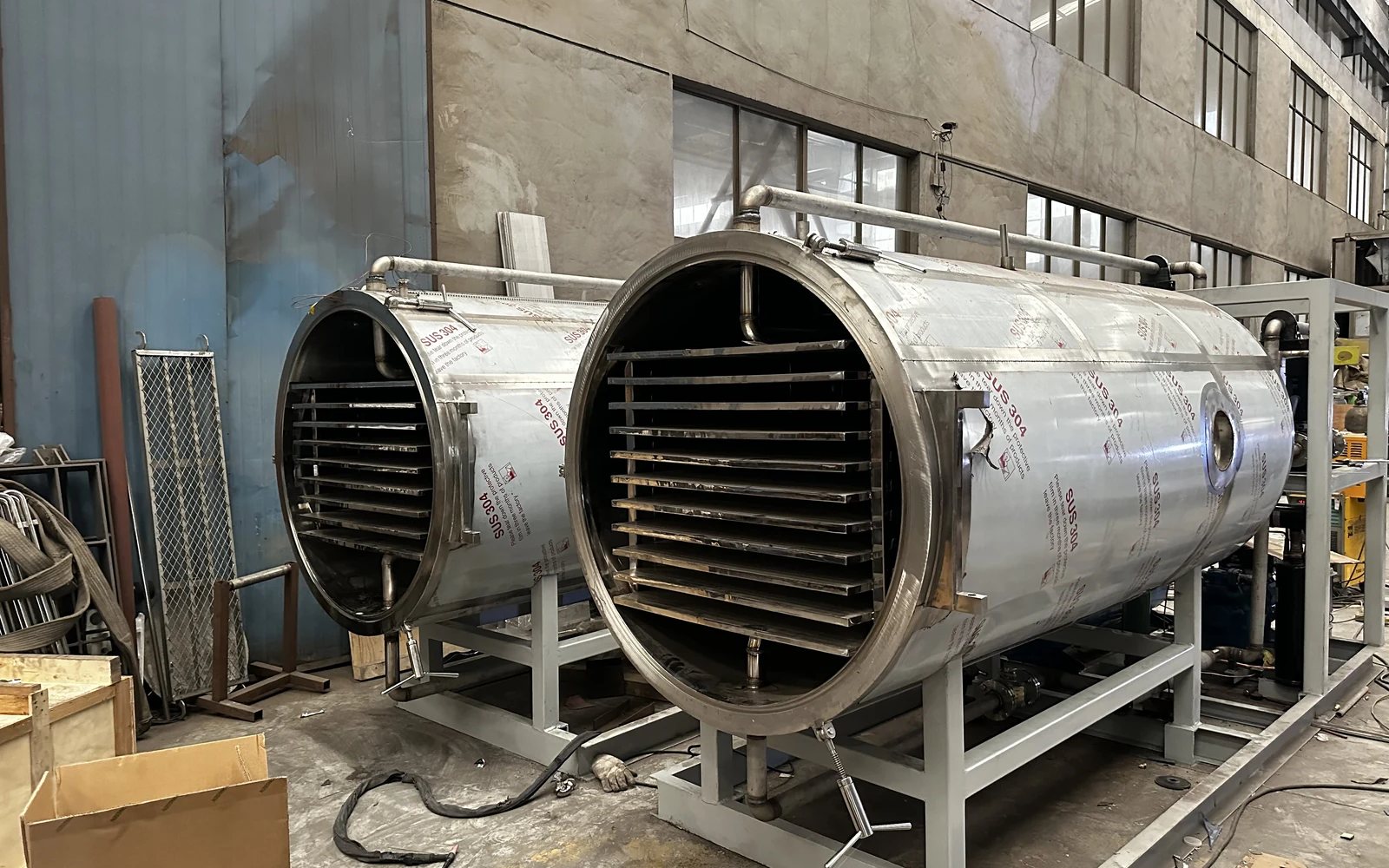
Confirm the spare-parts lead time and the escalation route as well, so support is measured in hours and names, not intentions.
Put Acceptance in the Contract
Agree FAT/SAT items, retention, defect handling and documentation handover. The payment schedule should follow evidence, not promises.
Frequently asked questions
What is the single most important input before a quotation?
Should a first-time investor buy a capping dryer or start basic?
How should compliance claims be checked?
| Decision layers | Product / sterile process / equipment configuration / validation / service |
|---|---|
| Core evidence | URS response, DQ/IQ/OQ/PQ, FAT/SAT, temperature mapping, leak rate, stopper repeatability |
| Commercial gate | 316L contact parts, CIP/SIP, isolator interface and data-integrity documentation |
Write the acceptance items into the contract with the same specificity as the price. The FAT and SAT should name the product, the cycle, the measurements and the pass limits, so acceptance compares evidence with a written standard instead of relying on a demonstration.
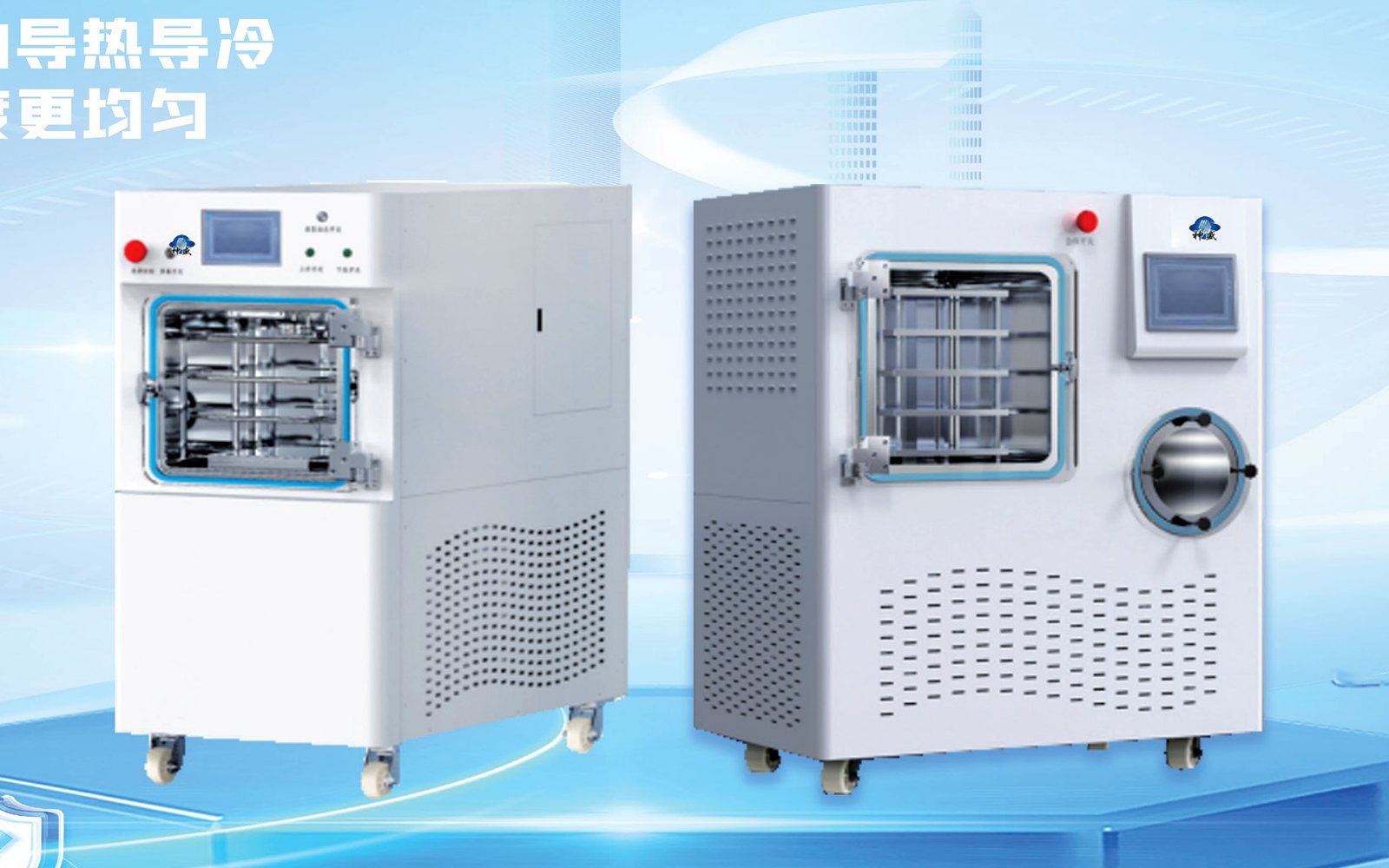
Stage the Validation Evidence With the Project
Evidence grows with the stage
Stage the validation evidence with the project instead of asking for everything at once. The research stage needs recipe records and curve export; the pilot stage adds calibration and FAT/SAT; the commercial stage completes the DQ/IQ/OQ/PQ, temperature mapping, leak rate and data-integrity documentation. Each stage adds the evidence the next decision requires.
Keeping the evidence staged keeps the cost honest and the buyer in control. A record that was correct at pilot is extended at commercial, not discarded, and the final package becomes one continuous file rather than a scramble at the end. The evidence grows with the project, and the acceptance follows the same line.
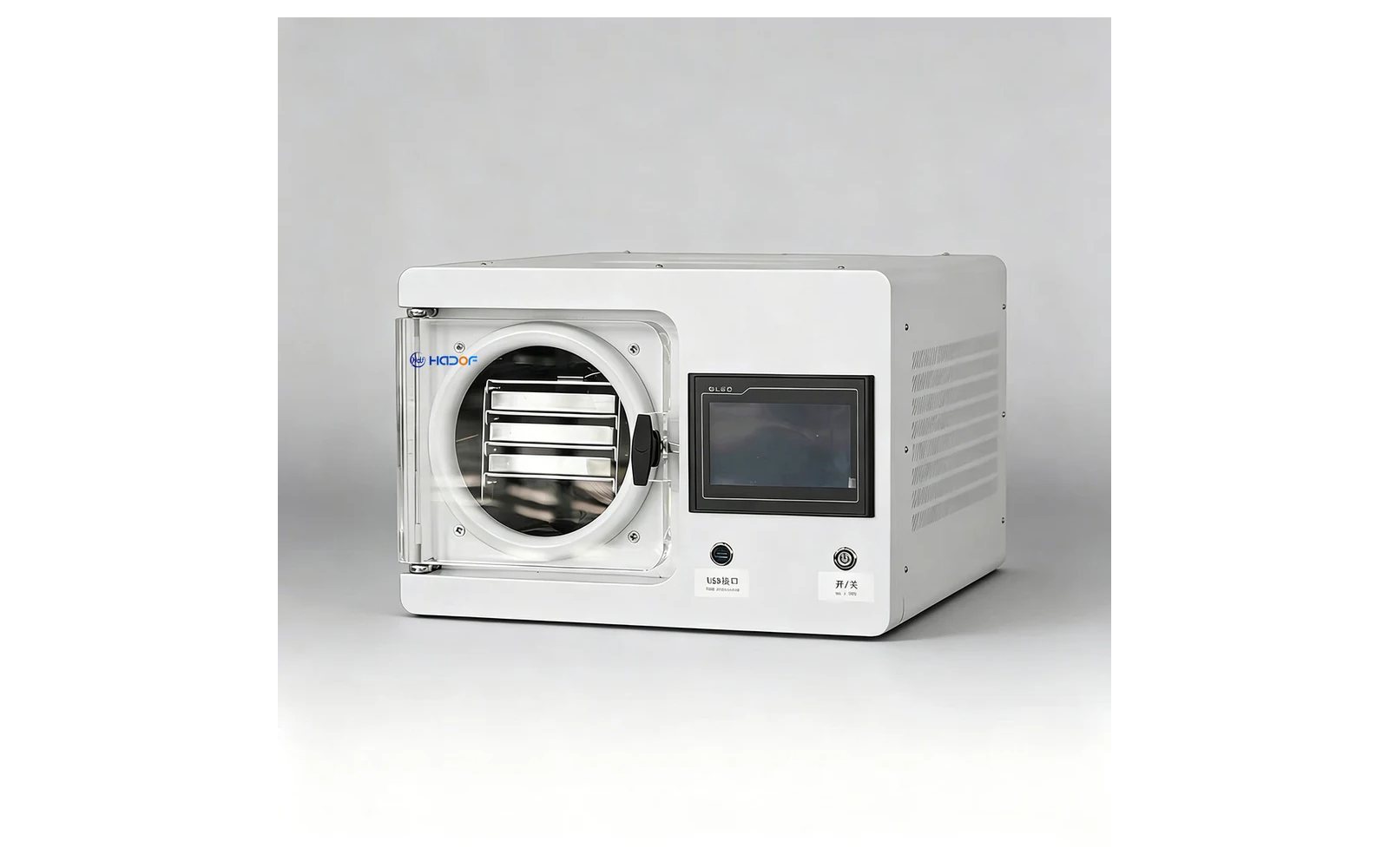
The staging also sets the acceptance rhythm. Each stage ends with a review of the evidence it produced, and the next stage begins only when that review closes its open items. The project then moves forward on records rather than on optimism, and the final commercial package is assembled from evidence that was verified as it grew.
No stage is signed off on a promise; each is signed off on a record.
The file grows one verified record at a time, and that is the only pace that holds.
Related pages
Pharmaceutical & Biotech Freeze Drying
Plan lyophilization for peptides, vaccines and sterile injectables: vial formats, capping, sterile boundary and validation evidence on one project basis.
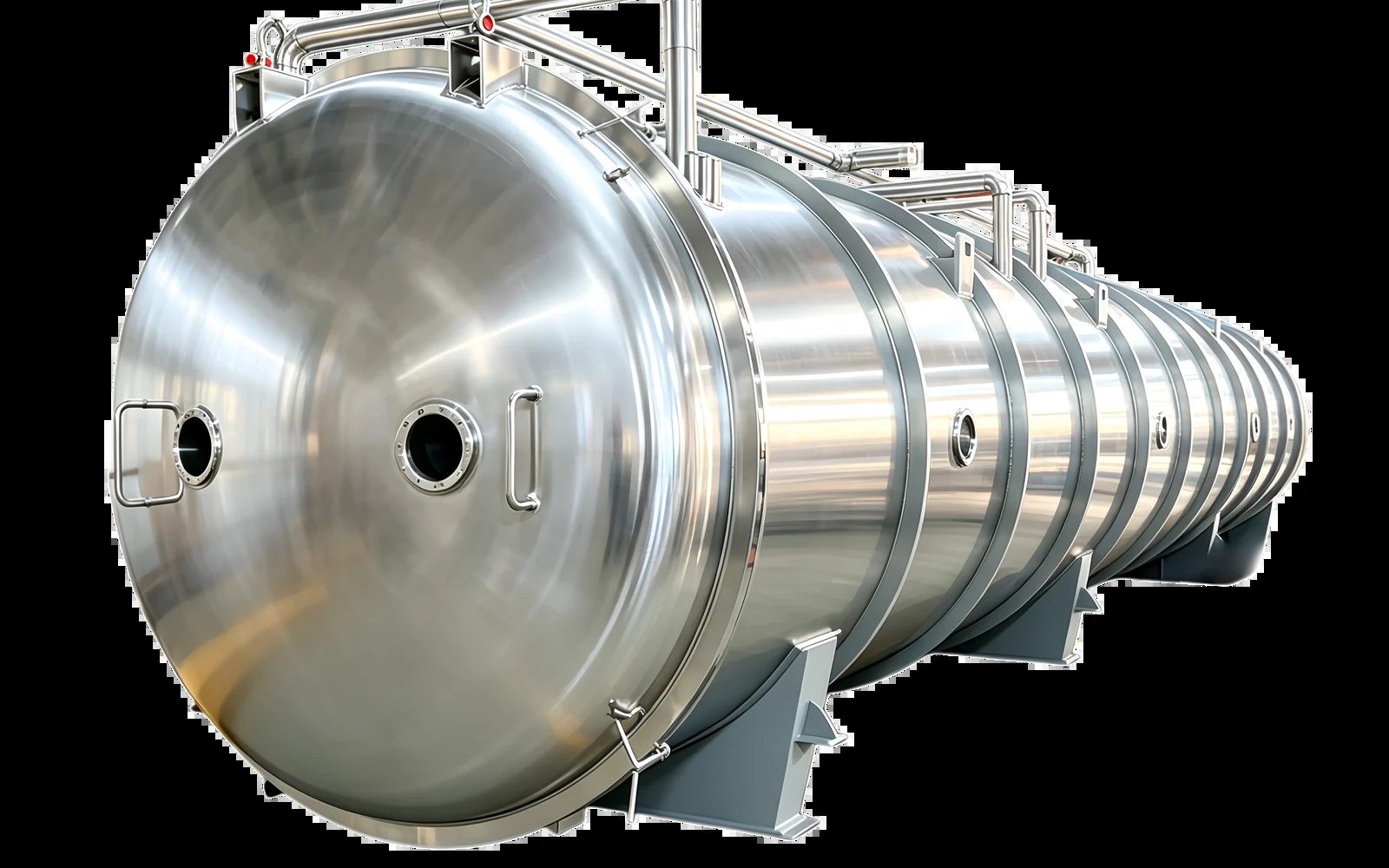
HDF Cover Type Freeze Dryer Models
Compare HDF cover type freeze dryers by area, envelope, power, plate count, temperature, vacuum, loading, water capture, cooling and heating route.
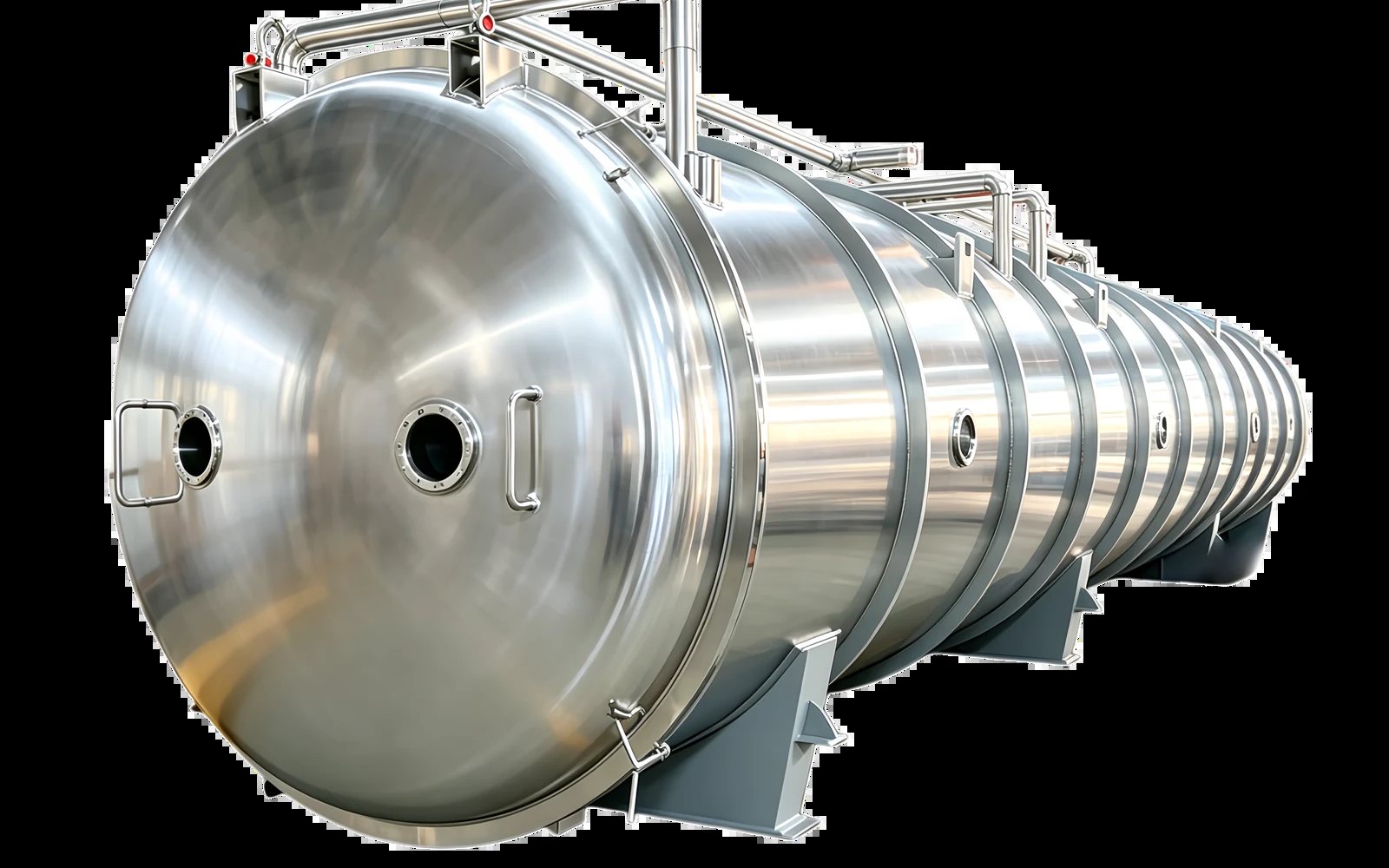
HDF Biomedical Freeze Dryer Models
Compare HDF biomedical freeze dryer model references by area, envelope, power, plates, temperature, vacuum, loading, water capture and cooling method.