
Build a Technical Project Brief
Review the process, equipment duties and project boundary from one defined basis.
Use One Shared Brief Before Comparing Equipment
The buyer, process team, factory engineer and supplier should evaluate the same product and project boundary. This prevents a quotation from appearing complete while key interfaces remain open.
Define the investment decision
State the finished product, market format, target operating plan, destination, commercial boundary and required approval documents.
Define the food result
Describe incoming material, stage changes, finished criteria, representative samples, inspection method and acceptable process limits.
Define the operating environment
Provide room dimensions, product and people flow, utilities, cleaning windows, maintenance access, labor plan and downstream interfaces.
Use one shared brief before comparing equipment, because a comparison is only meaningful when every supplier answers the same question. Write down the product, the required output, the pack format, the utilities and the acceptance criteria, and send that brief unchanged to every supplier. Without it, each quotation quietly assumes a different product and a different scope.
The brief is also the document that keeps the project honest as it develops. When a requirement changes, the brief changes and is re-issued, so the supplier responses stay tied to the same version. One shared brief is what turns a pile of different quotations into a fair comparison and a defensible decision.
When a requirement changes, the brief changes and is re-issued, so the supplier responses stay tied to the same version.
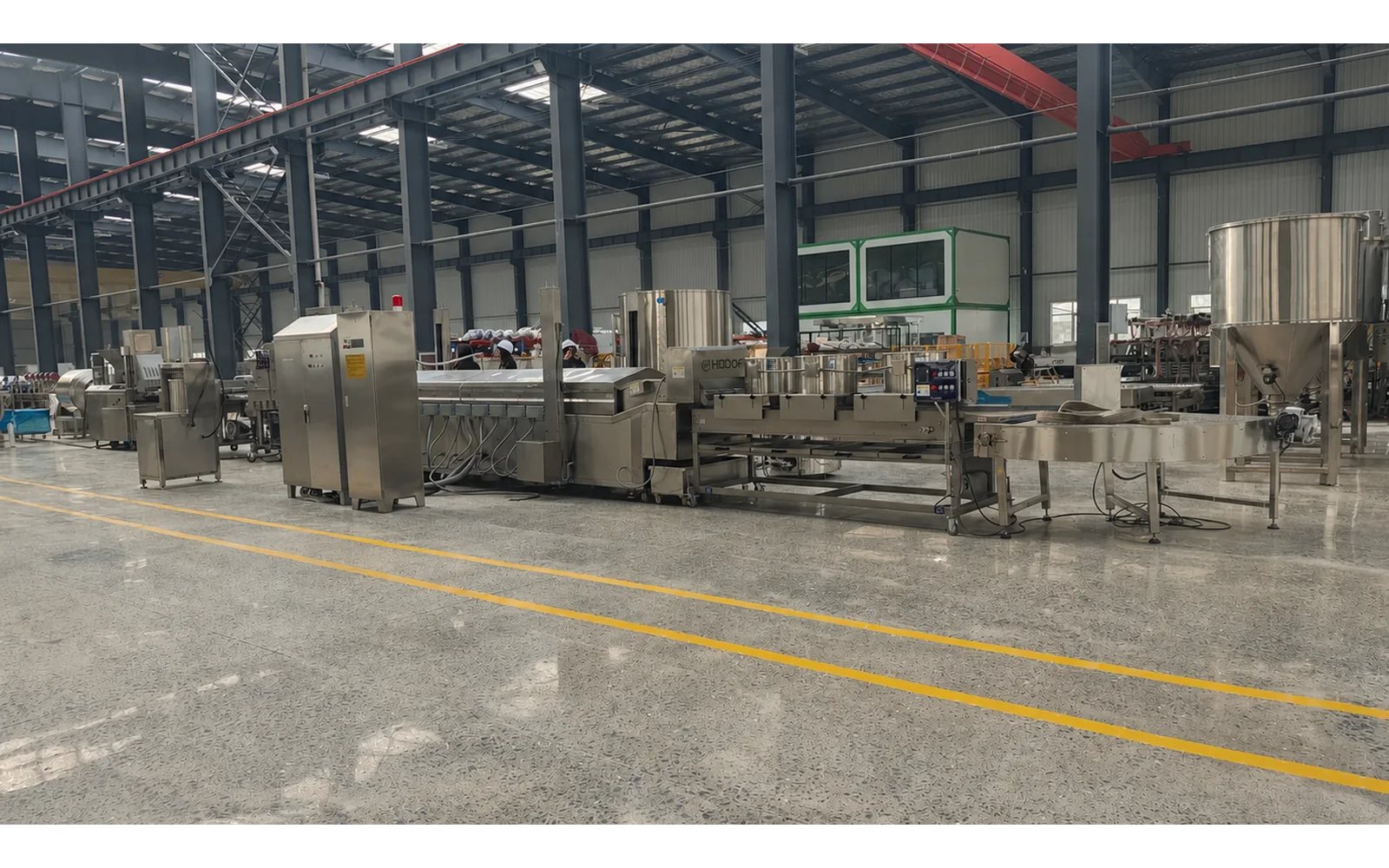
Complete the Four Decision Groups
Use one brief per product family.
Define the Food and Finished Result
The product basis controls every later decision.
Define the Required Process Change
State what enters and leaves each major stage.
Define the Factory Boundary
Equipment must fit utilities, access and product flow.
Define Supply and Verification Scope
Commercial review starts after responsibilities are visible.
Risk and open-item review
Complete the four decision groups before the brief is finished: the product, the process, the factory and the acceptance plan. The product group records what is being made and its target specification; the process group records how it must be transformed; the factory group records the site's utilities, space and constraints; the acceptance group records how the result will be measured.
Each group feeds the next, and a gap in any one of them surfaces later as a wrong assumption. A brief that names the product but not the factory, or the process but not the acceptance plan, is incomplete, and suppliers will fill the gap with their own guess. Completing all four groups is what makes the brief self-contained.
A gap in any group surfaces later as a wrong assumption, so each group is completed before the brief is sent.
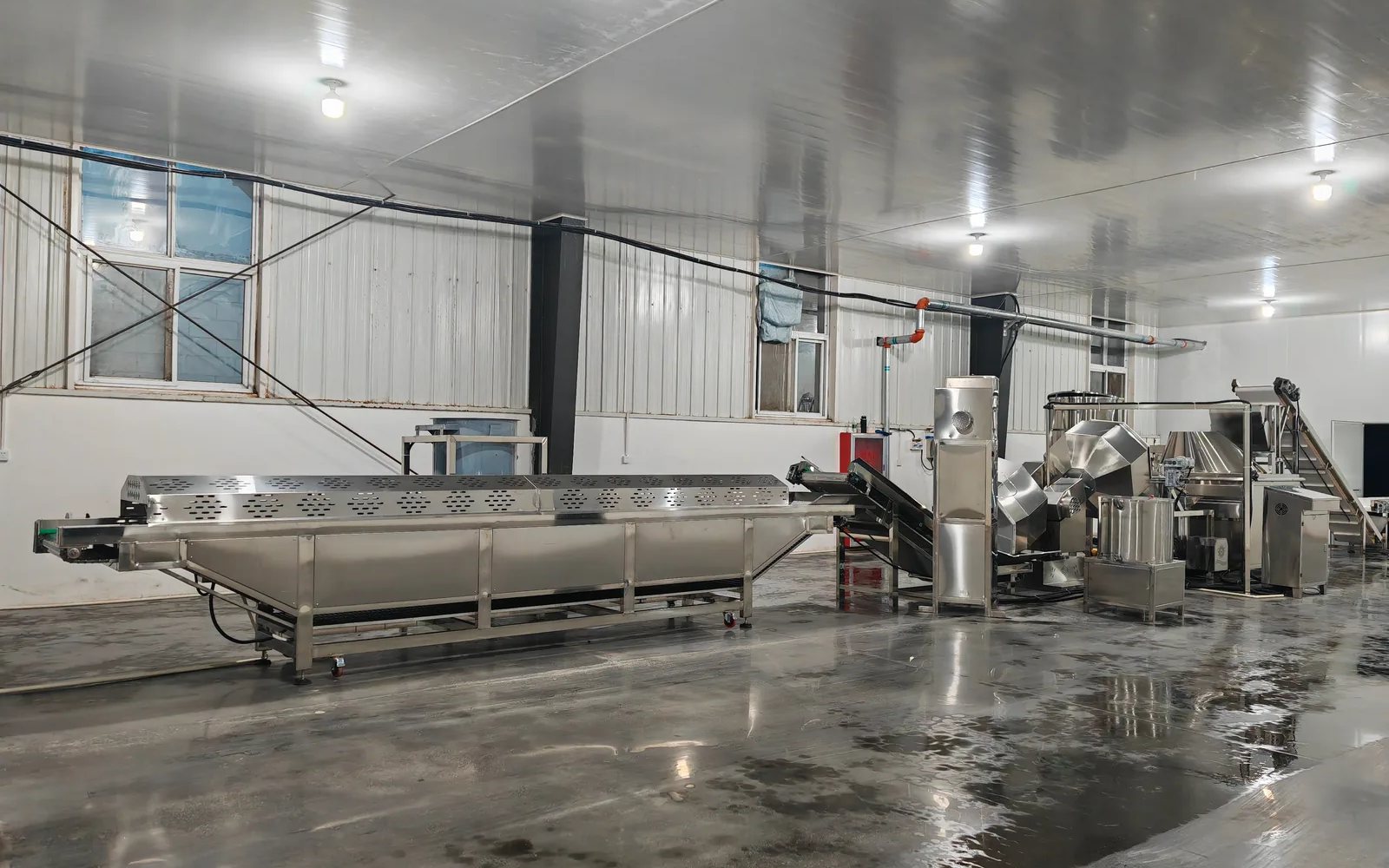
Resolve the Boundaries That Make Quotations Comparable
A quotation can list equipment while still leaving performance, utilities or delivery responsibility undefined. Mark each constraint as buyer input, supplier scope, shared verification or explicit exclusion.
Name what the rate measures
Separate raw input, stage output and finished packaged output. Add operating hours, changeovers, cleaning and planned availability.
Describe the result and the test method
Use samples, dimensions, temperature, moisture or observable criteria that fit the actual food. Avoid unsupported quality guarantees.
Assign every utility and service connection
Record power, heat, water, drainage, refrigeration, extraction, compressed air, foundations, lifting and building work.
Separate supply from site responsibility
Define packing, shipping term, destination handling, installation support, commissioning, training, spare parts, documents and acceptance sign-off.
Resolve the boundaries that make quotations comparable before sending the brief. State where the supplier's scope starts and ends, which utilities the buyer supplies and which the supplier includes, and whether installation, training and the first service visit are in scope. Two quotations with different boundaries cannot be compared on price.
Write the boundaries into the brief itself. A supplier should not have to guess whether the compressed air, the drainage or the packing line is part of the scope, because that guess will appear as a different price. When the boundaries are resolved in the brief, the quotations can be compared line by line and the differences become visible instead of hidden.
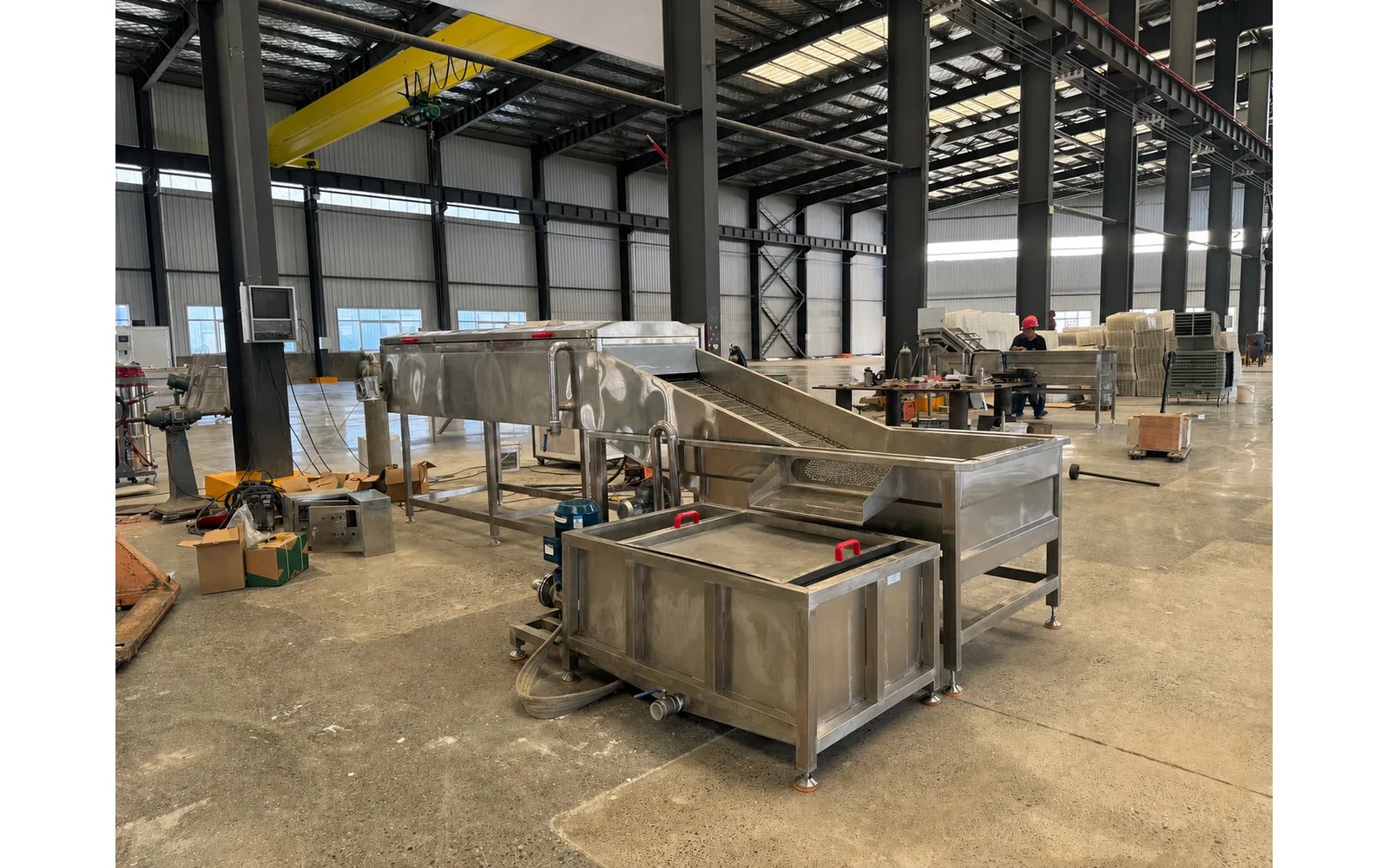
What the Technical Team Can Build From the Brief
A complete input set supports a connected review sequence instead of separate machine quotations.
The technical team can build a configuration from the brief only when the brief contains the specifics the equipment needs. The product's size, moisture and temperature behaviour size the processing stages; the output and shift pattern size the capacity; the pack format sizes the packing stage; and the utilities decide what the site can support. Each specific in the brief is an input to a machine decision.
A brief that stays general produces a general proposal. The technical team needs numbers, not adjectives: a target moisture, a cut size, a viscosity, a fill weight and a temperature. When the brief supplies those numbers, the team can propose a configuration and defend it, rather than offering a range of machines and asking the buyer to choose.
The team needs numbers, not adjectives: a target moisture, a cut size, a viscosity, a fill weight and a temperature. When the brief supplies those numbers, the team can propose and defend a configuration.
A brief that stays general produces a general proposal, and the supplier falls back on ranges and options instead of a defended configuration.
The specifics are the inputs to a machine decision.
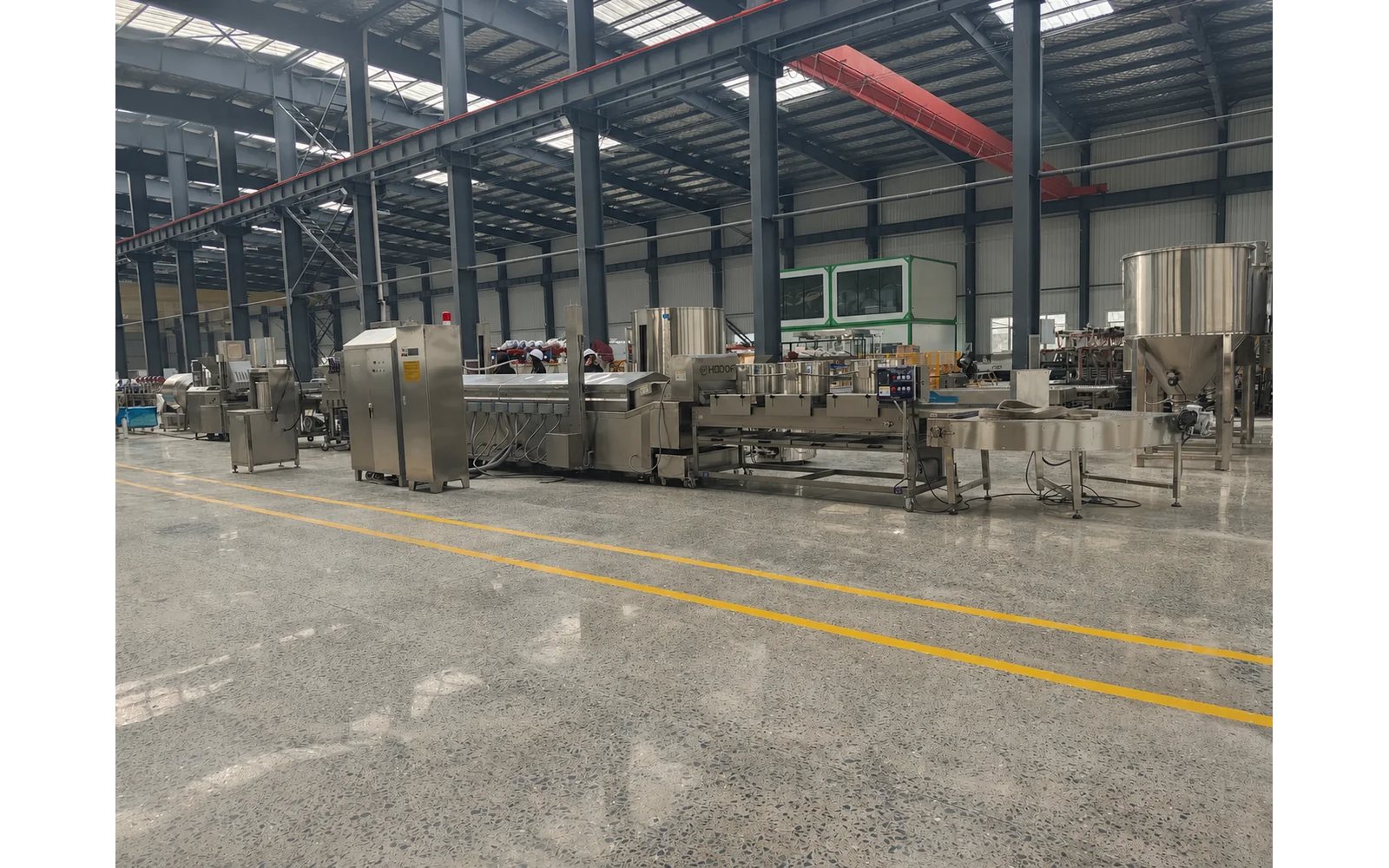
Send the Brief With Supporting Product and Layout Information
Attach product photos or specifications, a dimensioned layout and the completed decision groups. Do not include confidential internal prices or unrelated supplier information.
Send the brief with the supporting product and layout information attached. Photographs, a sample, a layout sketch and the utility data all help the supplier understand what the brief describes, and they prevent the misunderstandings that a text-only brief leaves open. A product sample in particular answers questions that no written description can.
Keep the supporting material consistent with the brief. If the sample is a different variety or maturity than the brief describes, say so, and if the layout sketch is approximate, mark it as such. The brief and its attachments should tell one story, so the supplier quotes against the same product and factory that the buyer will actually use.
A product sample answers questions that no written description can, and the attachments should tell the same story as the brief.
If the sample is a different variety than the brief describes, say so, and if the sketch is approximate, mark it as such, so the supplier quotes against the same product and factory.
The brief and its attachments tell one story, and the supplier quotes against that story.
Project Brief FAQ
| Decision groups | Product / process / factory / supply and verification scope |
|---|---|
| Core buyer evidence | Product specification or photos, finished criteria, output schedule, dimensioned layout and utility information |
| Review outputs | Process route, equipment basis, factory interfaces, responsibility boundary and open-item list |
Frequently asked questions
Who should prepare the first project brief?
What is the minimum information needed for a useful technical review?
How should capacity be written in the brief?
Which files make equipment comparison more reliable?
What is the next step after sending the brief?
The brief FAQ answers the questions that come up while a brief is being assembled: what level of detail is enough, whether a sample is required and what to do when the product range is wide. The answers push the buyer toward the same conclusion each time: write down what is known, mark what is assumed and send the brief before asking for a price.
Use the FAQ as a checklist before sending. If a question in the FAQ cannot be answered, it is an open item that belongs in the brief as an assumption rather than a silent gap. A brief that acknowledges its assumptions is stronger than one that pretends to be complete.
Related pages
Start With the Product. Build the Line.
Choose a food processing line by finished product, process duty, operating plan, factory interface and evidence required for technical review.
Find Equipment by Process Duty
Filter Hadof food processing equipment by duty, compare catalog references and carry a selected equipment combination into technical review.
Define Scope Before Production Begins
Define technical release, documents, inspection, packing, installation support and acceptance responsibilities for a food machinery project.

Food Processing Equipment Import & Compliance Checklist
Checklist for importing food processing machinery: destination certification, voltage and utilities, duties and VAT, payment terms and local service.