
Technology Comparison Checklist
Review the process, equipment duties and project boundary from one defined basis.
Compare the Required Transformation, Not the Equipment Name
One comparison basis
- Define the same incoming product range, contamination or moisture condition and finished target for every route.
- Map each route stage and name the condition entering and leaving that duty.
- Identify the parameter that controls the result and the evidence needed to verify it.
- Calculate utility, room, access, cleaning, labor and downstream consequences within the same operating schedule.
- Record what is standard, higher-duty or custom and which values remain project inputs.
- Compare quotation and acceptance scope only after the technical boundary is aligned.
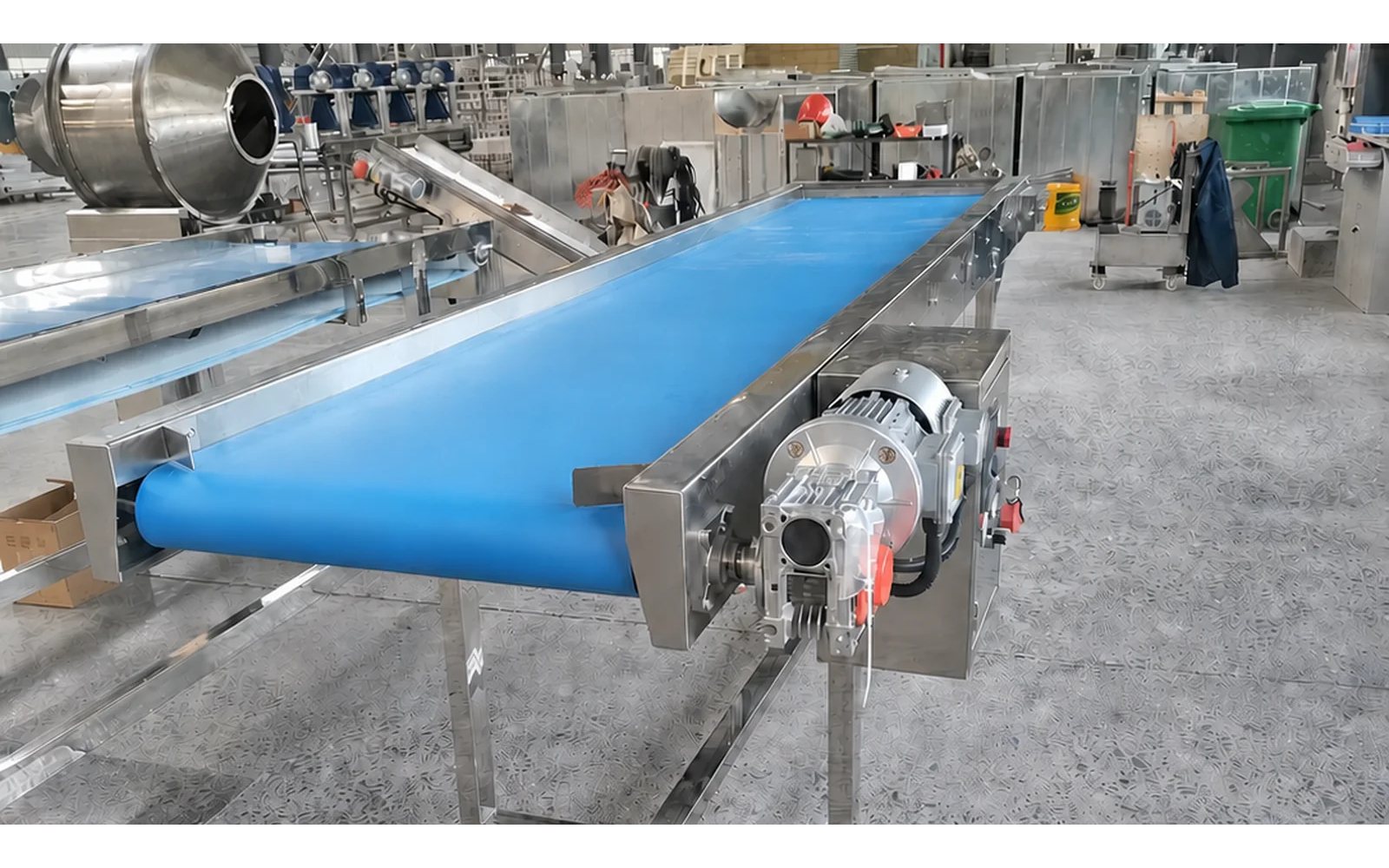
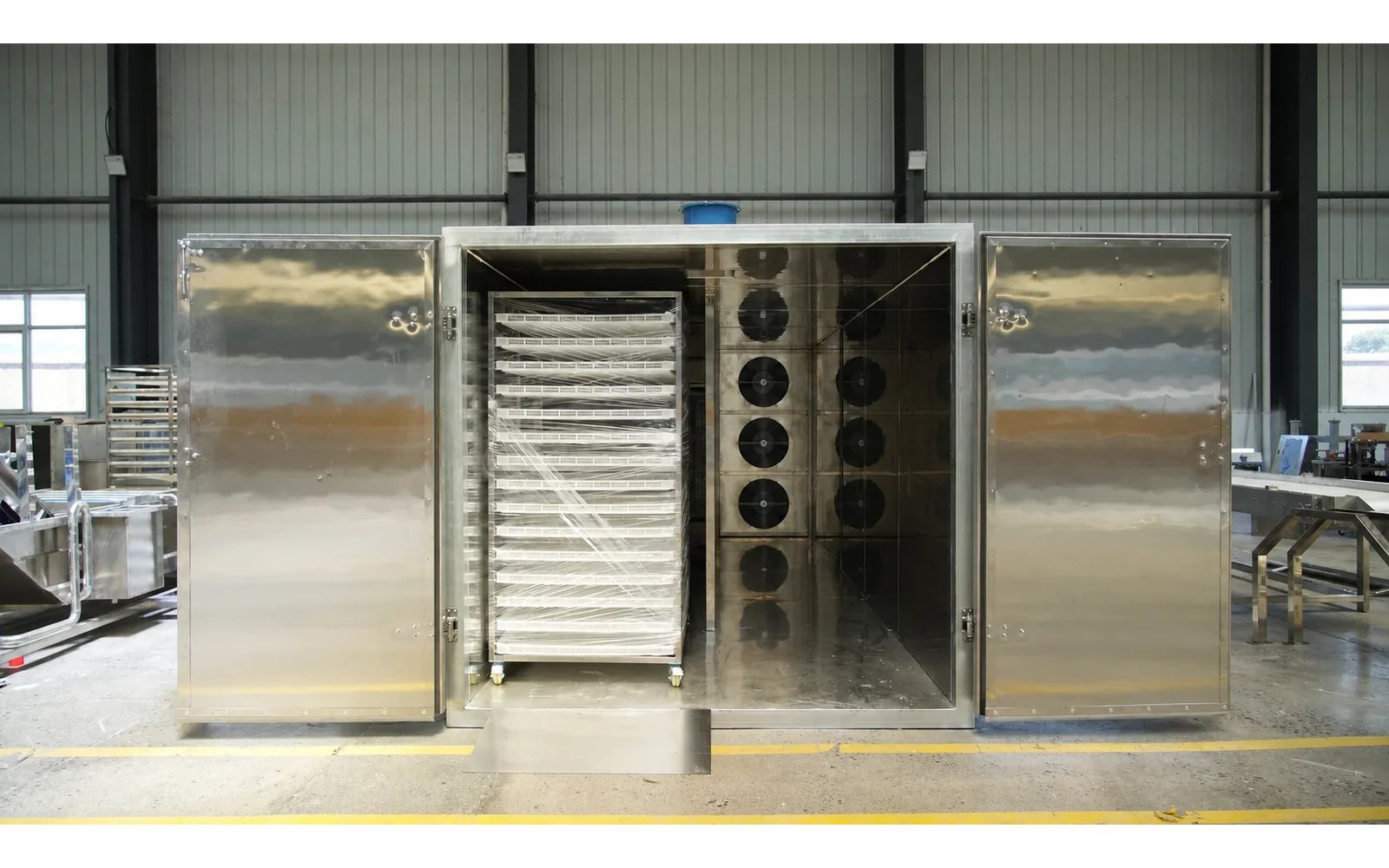
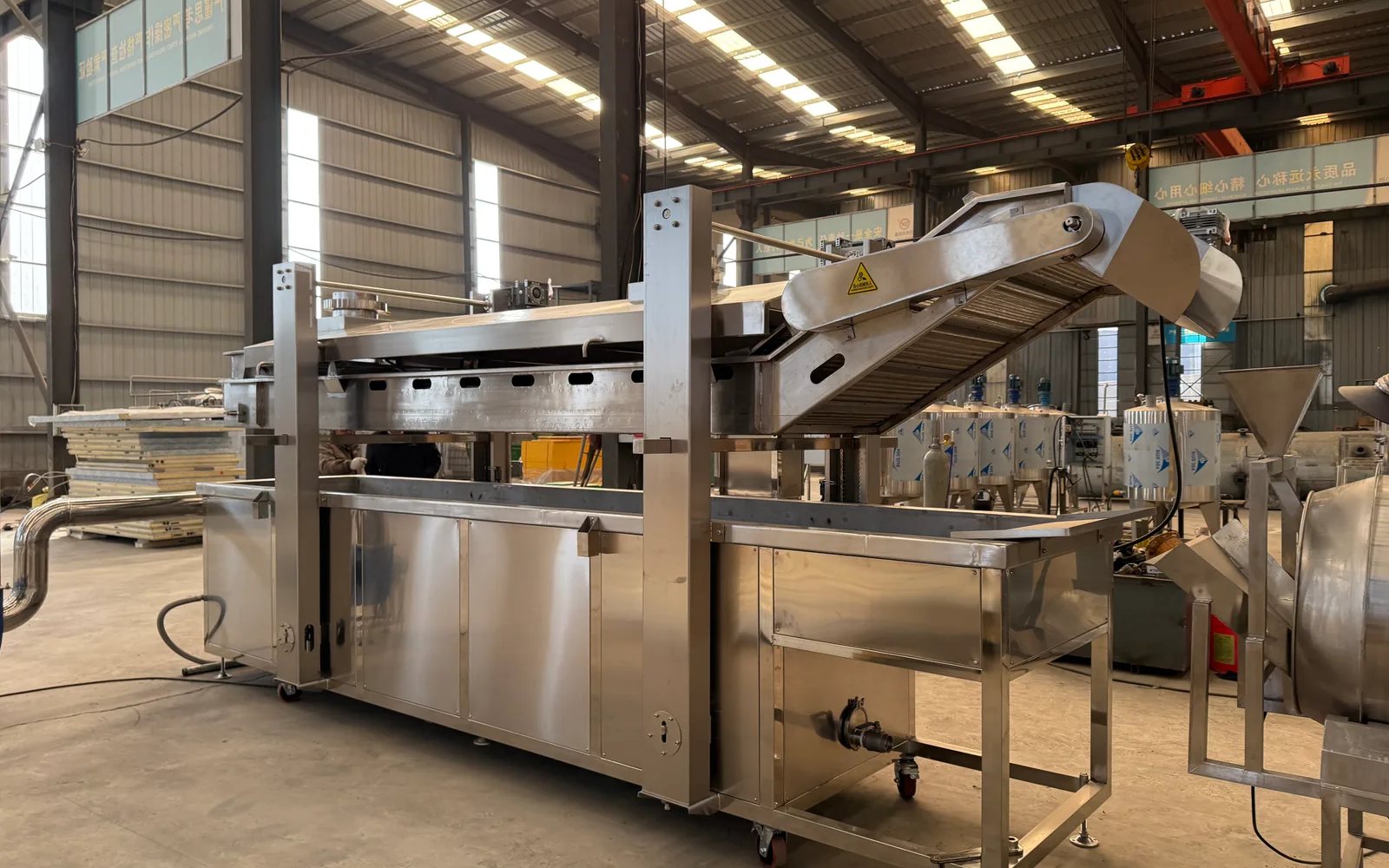
For example, washing technologies should be compared by product behavior and contamination duty; frying routes by feed, thermal and oil-system boundaries; hot-air drying and freeze drying by required endpoint and operating model; and transfer formats by the condition required at each handoff.
Compare the required transformation rather than the equipment name, because two machines with the same name can perform different transformations. A washer, a fryer or a dryer is defined by what it does to the product, not by what it is called, and the comparison should be about the transformation: the soil removed, the moisture lost, the size achieved, the temperature applied.
Write the transformation in measurable terms and compare the technologies against those terms. State the input and output conditions for the product, and ask each technology how it reaches the output at the required rate and quality. The comparison is then about the result the process must achieve, not about which catalog row carries the more familiar name.
Document Why One Route Fits the Approved Scenario
Name the preferred route, the product and operating basis, and the decision it resolves.
Record the utility, complexity, product-risk, cleaning and factory consequences accepted with that route.
Link published model data, drawings, calculations, product tests or project records to the claims they support.
Assign unresolved product, utility, site, control, document and acceptance inputs to a responsible party.
Next step: prepare one approved comparison record, continue with the equipment comparison workspace, review technical evidence, and carry the chosen route into the inquiry.
Document why one route fits the approved scenario before committing to it. The scenario is the product, the output, the utilities and the acceptance criteria that were approved, and the route is the sequence of technologies chosen to reach them. The documentation should explain, for each choice, why it fits that scenario and what alternative was rejected.
Keep the documentation with the project and update it when the scenario changes. A route that was justified for one product may no longer fit when the product changes, and the documentation is what makes that mismatch visible. The document is the traceable reasoning behind the technology choice, and it is what protects the decision from being relitigated later.
Update the document when the scenario changes, and keep the rejected options with the reasons they were set aside. The record then shows not only what was chosen, but what the choice was measured against.
Map Process Routes to Product Behavior
High-heat route
Use where moisture reduction and shell/crisping are central requirements.
Cold-handling route
Use where fragility, appearance and hydration retention are top priorities.
Hydration-adjusted route
Use where intermediate washing and reconditioning are part of quality control.
Integrated transport route
Use when transfer geometry limits separate standalone equipment.
Map the process routes to the product's behaviour before comparing equipment, because the product decides which routes are even possible. A fragile product may not survive a high-velocity dryer, a sticky product may not suit a deep-bed tunnel, and a heat-sensitive product may rule out a route that a robust product accepts.
For each candidate route, write the transformation it must perform and the risk it introduces, then mark the route as suitable, conditional or unsuitable. Keep the map with the product basis, and re-draw it when the product changes, so the comparison never drifts onto a product the buyer is not actually making.
The map also exposes the routes that only work with extra handling, so the comparison can count the cost of making a marginal route work instead of pretending the route is free.
A route marked conditional stays conditional until the extra handling is priced and confirmed.
The map is the first screen, and it is redrawn whenever the product changes.
Compare Output Stability and Line Complexity
Target output and schedule stability are the first comparison basis.
Clarify power and heat load at each route stage.
Hygiene access requirements change with route complexity.
Model-level documentation should be linked to the selected route and product.
Compare output stability and line complexity together, because a high nominal output that cannot be held is worth less than a lower output that is stable. Ask for the range the route can hold, the changeover time between products and the labour and cleaning it demands, and compare those with the production plan.
Complexity is a cost that compounds. A route with more stages, more transfers and more settings may reach the target on a good day and drift on a bad one, while a simpler route holds its result with less intervention. Ask for a recorded run on the buyer's own product, because a single best case is a photograph of one moment, not a range.
Count the interventions too: the more often an operator must correct the line, the more the nominal output is a hope rather than a rate, and the comparison should price that attention.
Stability is measured over a shift, not over a demonstration.
A stable lower rate usually beats an unstable higher one over a full shift.
Filter Out Unverified Claims Early
- Check whether each technical value has source traceability.
- Keep non-verified values out of claims and identify the evidence required for review.
- Verify that configuration claims are model-specific, not portfolio-wide.
- Keep line-level claims separate from supplier-level claims.
Filter out unverified claims before they enter the comparison, because a claim that cannot be traced to evidence will only resurface later as a risk. For each headline value, ask where the number comes from: a test report, a reference project or a catalogue estimate. The answer decides whether the claim stays in the comparison.
Apply the same filter to the supplier's qualifications. A blanket statement about standards, markets or results should be replaced with the specific evidence that supports it. Record what was filtered and why, and keep it with the decision, so the final choice is shown to have survived scrutiny rather than avoided it.
A filtered claim does not disappear; it is parked with a note describing the evidence still required. When that evidence arrives, the claim returns, and the comparison is updated rather than left with a hole.
Until then, the claim carries no weight in the scoring.
Only recorded evidence moves a claim forward in the scoring, and nothing else does.
Technology Comparison FAQ
Frequently asked questions
What is the first step in comparing food processing technologies?
Which tradeoffs should be recorded?
When is a custom technology review required?
How should the preferred route be approved?
The questions below compress the comparison method into a quick check. Use them before the shortlist is tested so the comparison rests on the product basis, the whole route and the recorded evidence rather than on names and brochure values.
A technology comparison is complete when the same input data was used for every option, the running cost and complexity were counted, and the preferred route is documented against the approved scenario. Anything less is a preference with some paperwork.
Run the same check at each shortlist stage, not only at the start.
Compare Whole Route, Not One Machine
The route is the unit of comparison
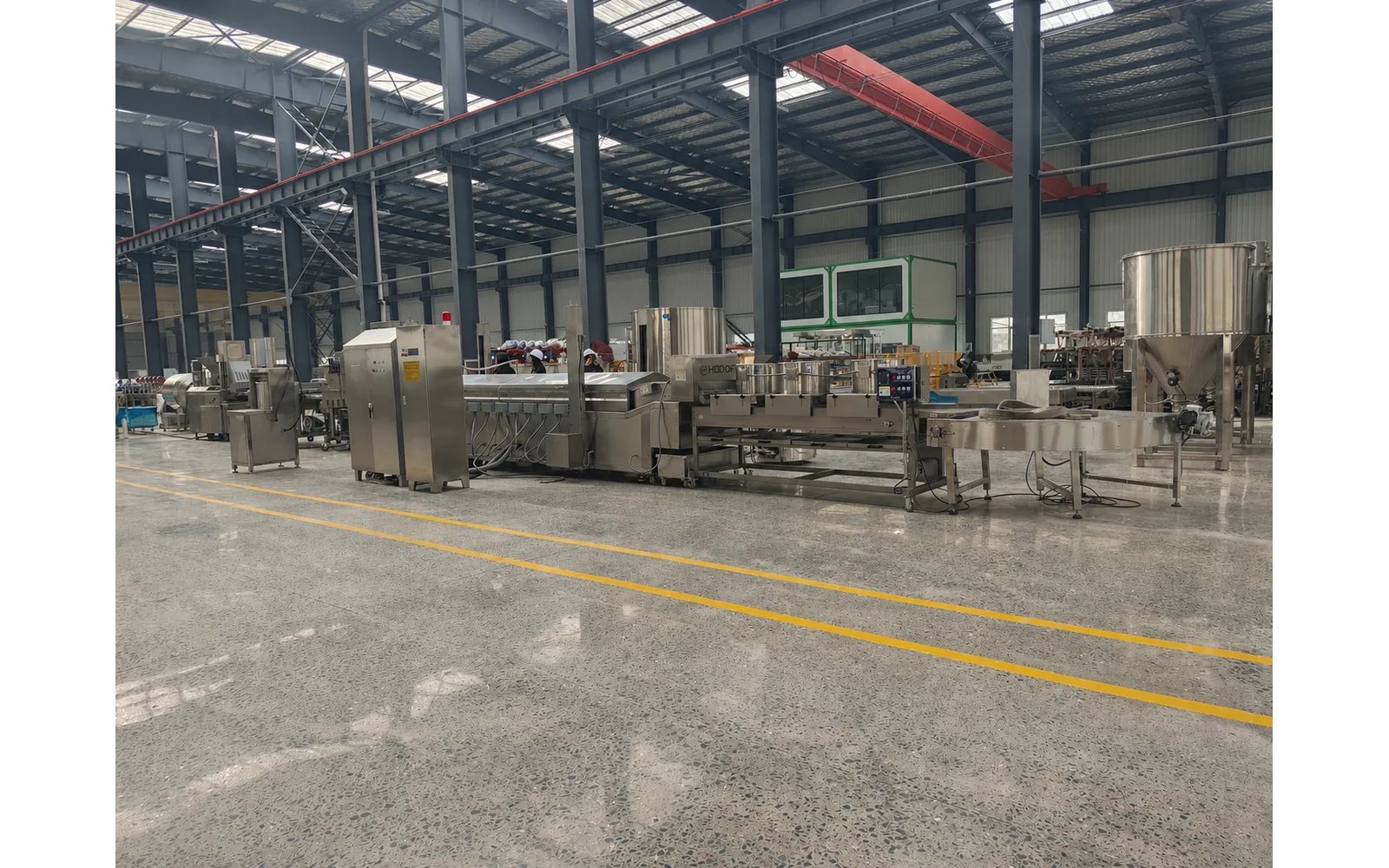
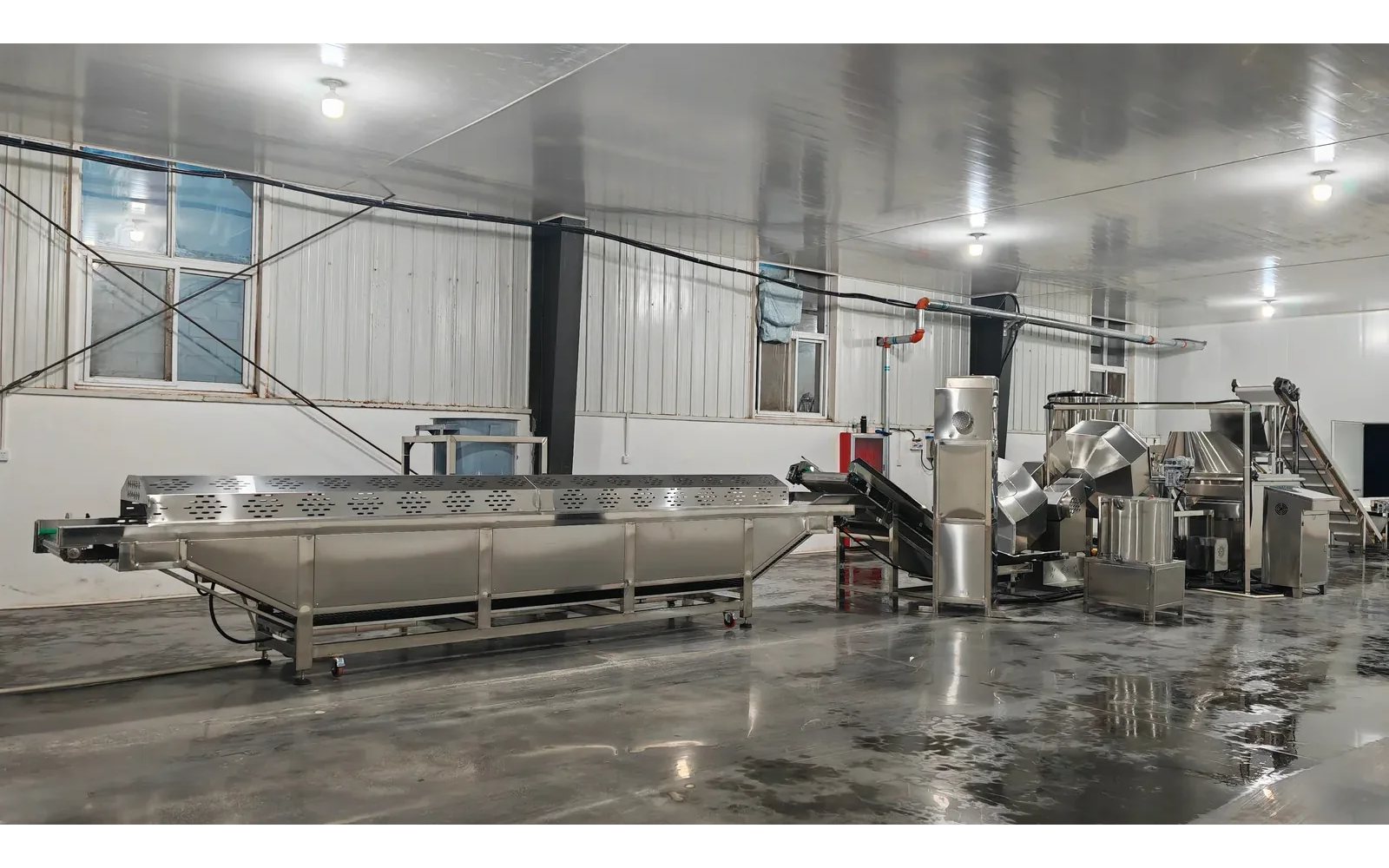
Compare the whole route, not one machine, because a machine's performance depends on the stages around it. A fryer is only as good as the filtration and the feed before it, and a freezer is only as good as the load and the cold store after it. Comparing single machines in isolation misses the interactions that decide the real output and quality.
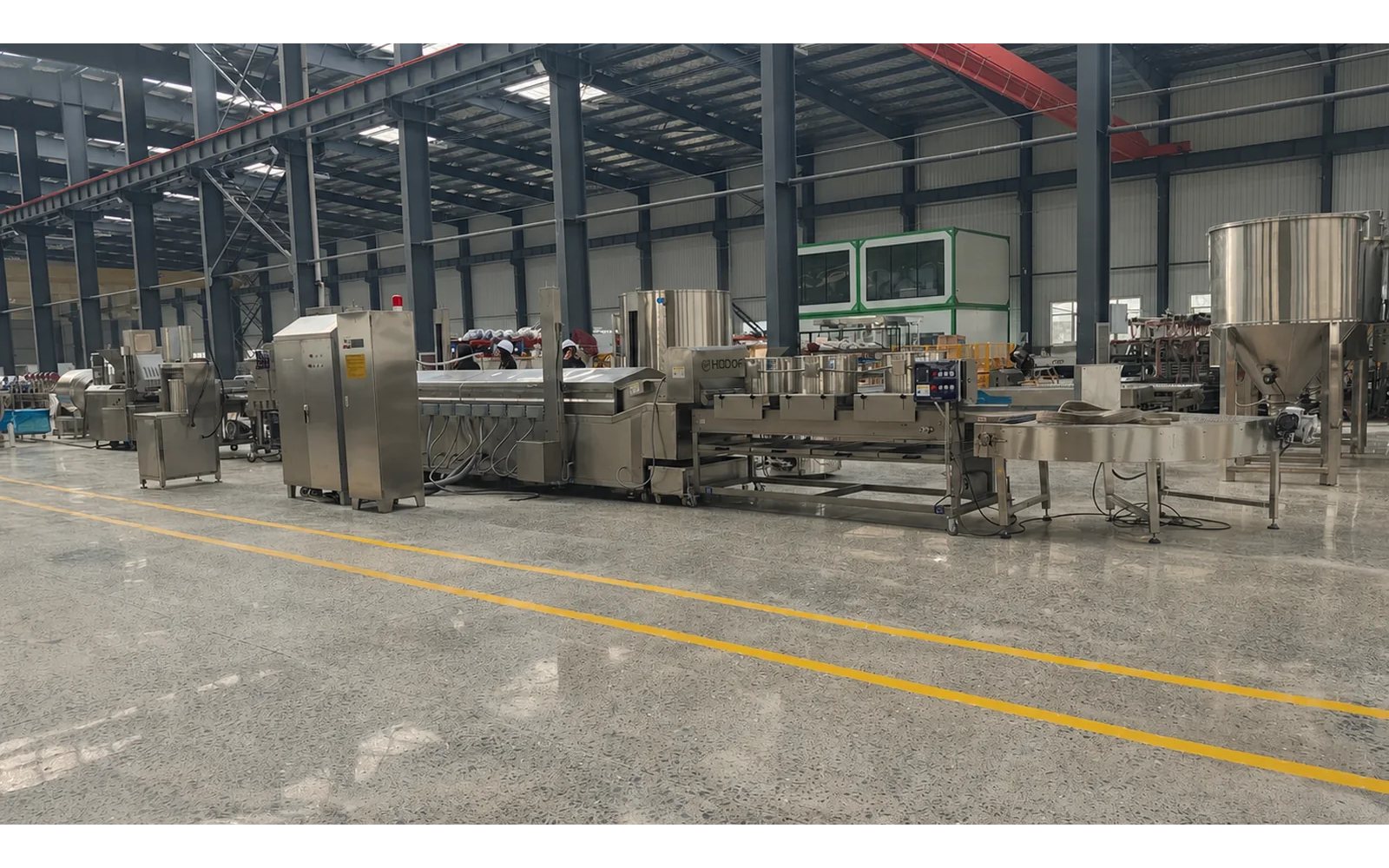
When comparing two routes, hold the product basis constant and compare stage by stage, then compare the handoffs between the stages. Two routes can use the same machines and still differ at the transfers, and the route with the better handoffs will outperform the route with the better brochure. The unit of comparison is the whole route.
Hold the product basis constant and compare stage by stage, then compare the handoffs. The route with the better handoffs will outperform the route with the better brochure.
A fryer is only as good as the filtration and the feed before it, and a freezer is only as good as the load and the cold store after it.
The unit of comparison is the whole route, handoffs included.
Two routes can use the same machines and still differ at the transfers, and the better handoffs decide the better line.
Use the Same Input Data for Every Option
One data set, many options
Use the same input data for every option, because the comparison collapses the moment different options are evaluated against different products or utilities. Fix the product, the output, the site conditions and the acceptance criteria once, and evaluate every technology against that same data set. A technology that looks superior on easier inputs is not superior at all.
Record the input data with the comparison so the basis is visible. When someone later asks why one route was chosen over another, the answer should point to the fixed input set and the measured results, not to a preference. One data set is what makes the comparison reproducible and defensible.
Fix the product, the output, the site conditions and the acceptance criteria once, and evaluate every technology against that same data set.
A technology that looks superior on easier inputs is not superior at all, and the recorded input set is what makes the comparison reproducible.
One data set is what makes the comparison defensible.
Record the input data with the comparison so the basis stays visible when the choice is later questioned.
A technology that looks superior on easier inputs is not superior at all.
Count Energy, Cleaning and Changeover in the Duty
Running cost is part of the duty
Count the energy, the cleaning and the changeover in the duty, because the purchase price is only part of the cost. Two technologies that reach the same product result can differ sharply in energy, water, cleaning time and changeover labour, and those differences compound over the life of the line. The duty is not just what the machine does; it is what the machine costs to run.
Ask for the running figures with the quotation: the energy and water per unit of product, the cleaning time between runs and the changeover time between products. A technology that is cheaper to buy and more expensive to run is not cheaper, and the comparison should make that visible before the order.
Ask for the energy and water per unit of product, the cleaning time between runs and the changeover time between products, because a machine that is cheaper to buy and more expensive to run is not cheaper.
The duty is not just what the machine does; it is what the machine costs to run, and the comparison should make that visible before the order.
A technology that is cheaper to buy and more expensive to run is not cheaper.
Test the Shortlist Before the Final Choice
Evidence before commitment
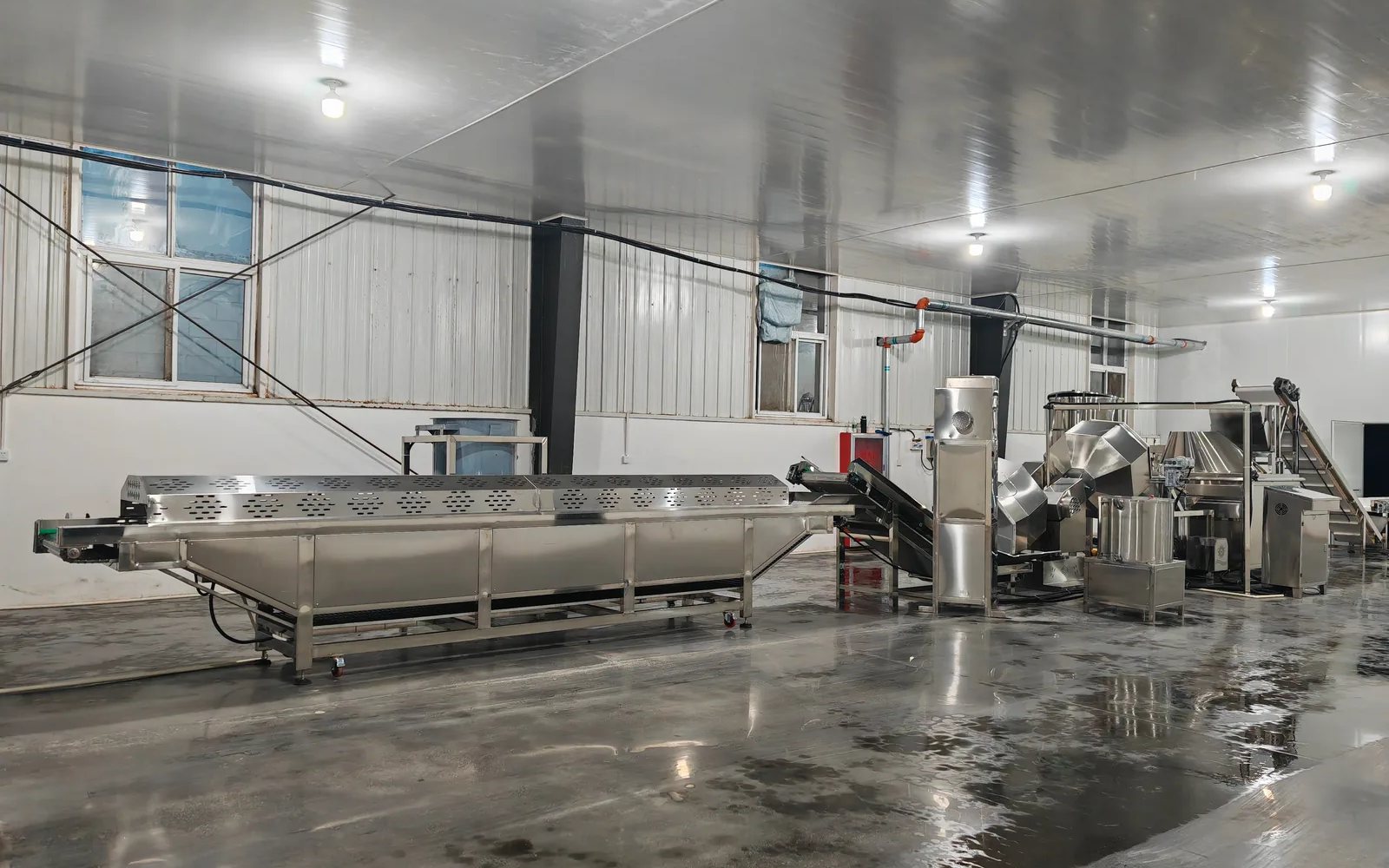
Test the shortlist before the final choice, because the comparison on paper must be confirmed on product. Run the leading options with representative material and measure the transformation they actually achieve, then compare the results against the written target. The trial is what turns a paper comparison into evidence.
Keep the trial conditions the same across the options so the results are comparable, and record them with the decision. The final choice is then supported by measured results on the buyer's own product, and the route that looked best on paper either proves itself or is replaced by the one that did.
Run the leading options with representative material and measure the transformation they actually achieve, then compare the results against the written target.
The route that looked best on paper either proves itself on your product or is replaced by the one that did.
The trial is what turns a paper comparison into evidence.
Keep the trial conditions the same across the options so the results are comparable, and record them with the decision.
The choice is then supported by measured results on the buyer's own product.
The trial is what turns a paper comparison into evidence, and the evidence is what the final choice stands on.
Related pages
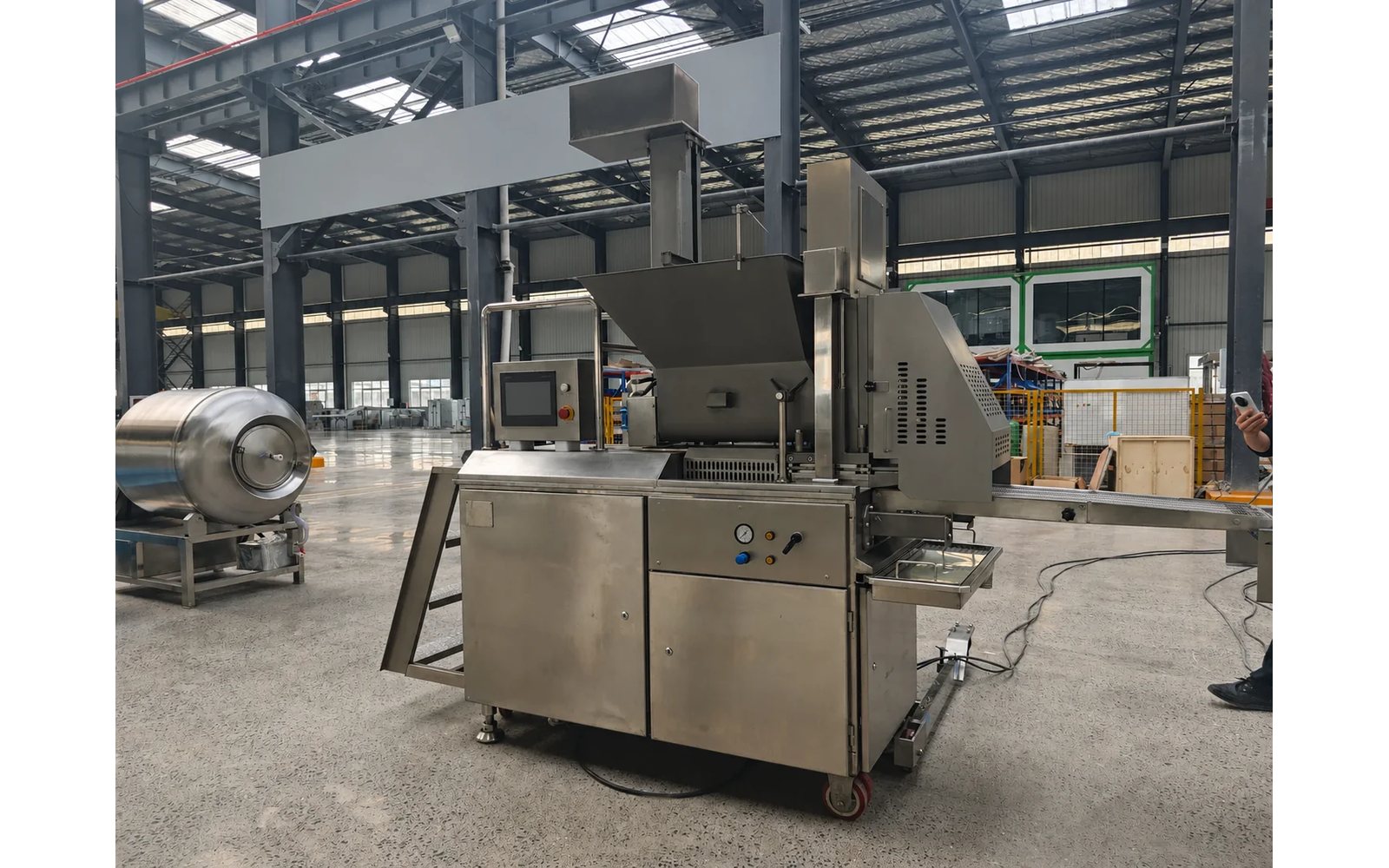
Engineer Every Handoff.
Review food processing selection logic, parameter consequences, factory interfaces, testing and acceptance methods from source-backed evidence.
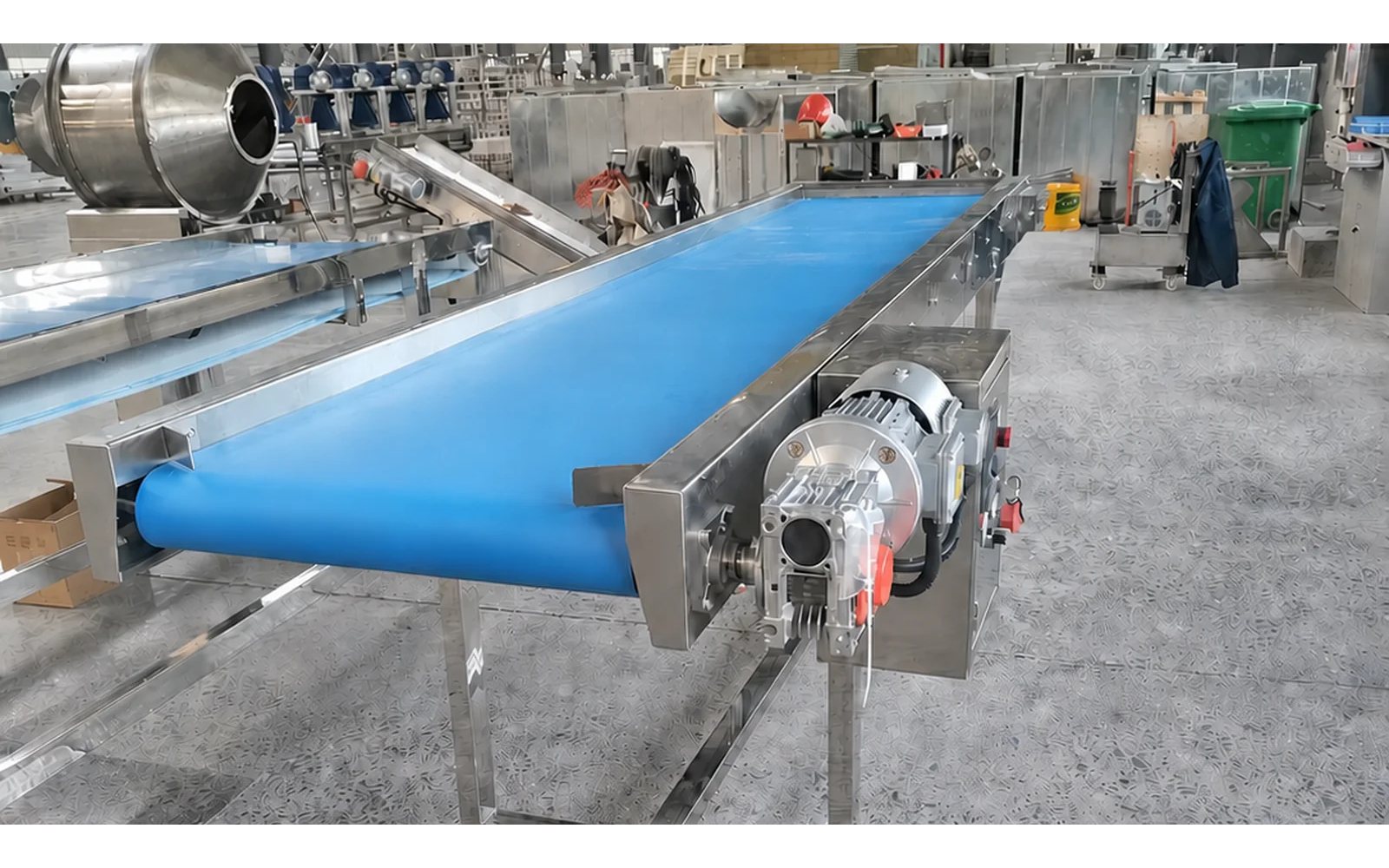
Find Equipment by Process Duty
Filter Hadof food processing equipment by duty, compare catalog references and carry a selected equipment combination into technical review.
Start With the Product. Build the Line.
Choose a food processing line by finished product, process duty, operating plan, factory interface and evidence required for technical review.