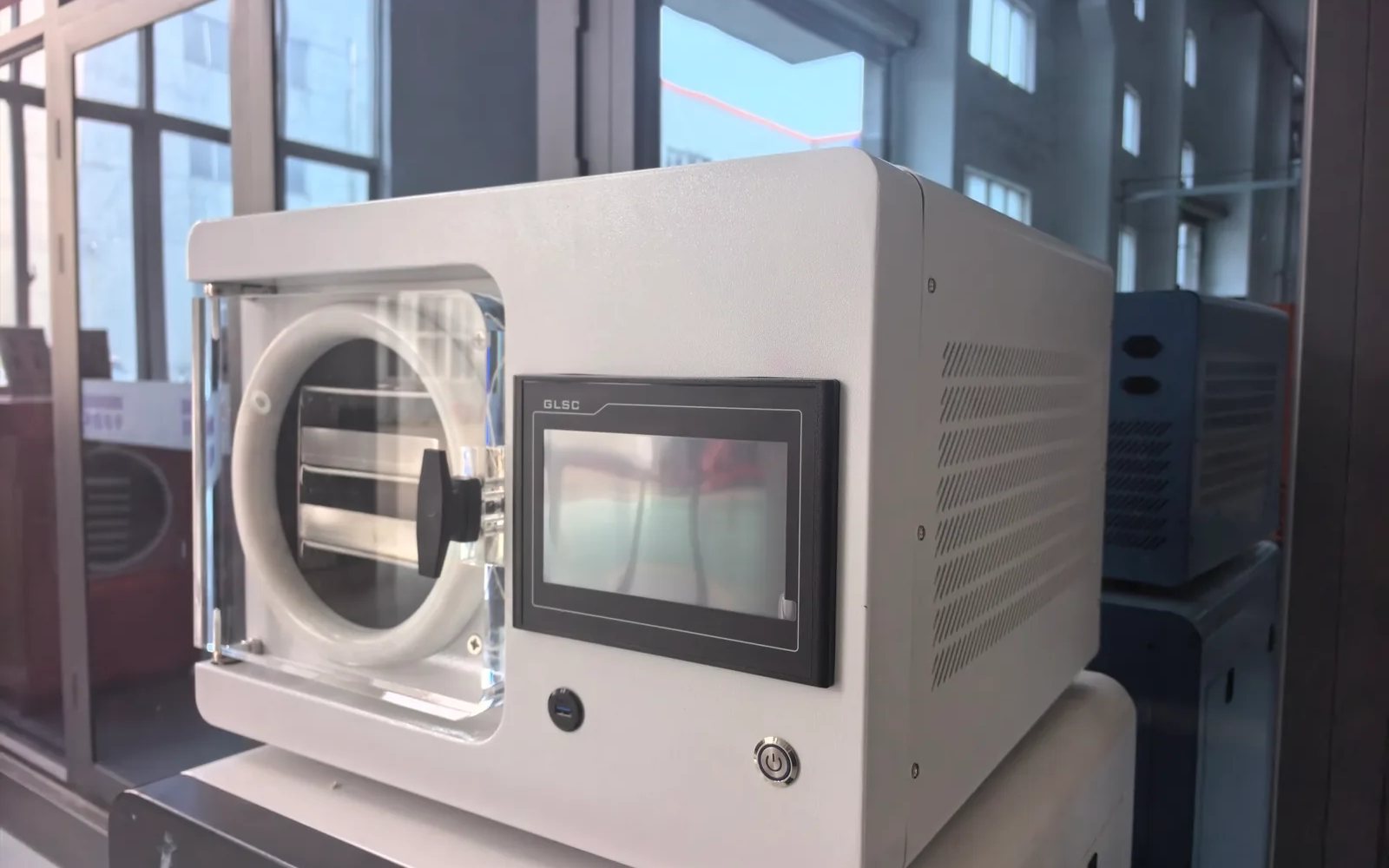
HDF Spray Freeze Dryer Reference
Review the process, equipment duties and project boundary from one defined basis.
Confirm the Product and Batch Route Before Comparing Shelf Area
Choose the operating family first
A spray freeze dryer combines atomisation with freezing and drying, so the product and its particle target are specified first. Record the feed, its concentration and viscosity, the droplet or granule size you need, and the final moisture. The spray step turns the liquid into a frozen particulate, and the drying step then removes the water from that particulate, so both stages must be designed for the same material.
Confirm the powder or granule quality before comparing capacity. The particle size, the bulk density and the rehydration behaviour are set by the atomisation and the freezing conditions, and those properties are often the reason the route was chosen. If the target powder cannot be produced, a larger chamber is not the answer.
For this spray application, the comparison only becomes meaningful once the particle size and bulk density of the dried powder are written down, because those are the results the shelf area must actually deliver.
If the written basis changes, restart the comparison from that new basis instead of carrying an earlier shelf-area figure forward.
Restart the comparison from the written basis whenever it changes, and the shelf-area figure will stay honest.
The target particle size is part of that basis from the very first comparison.
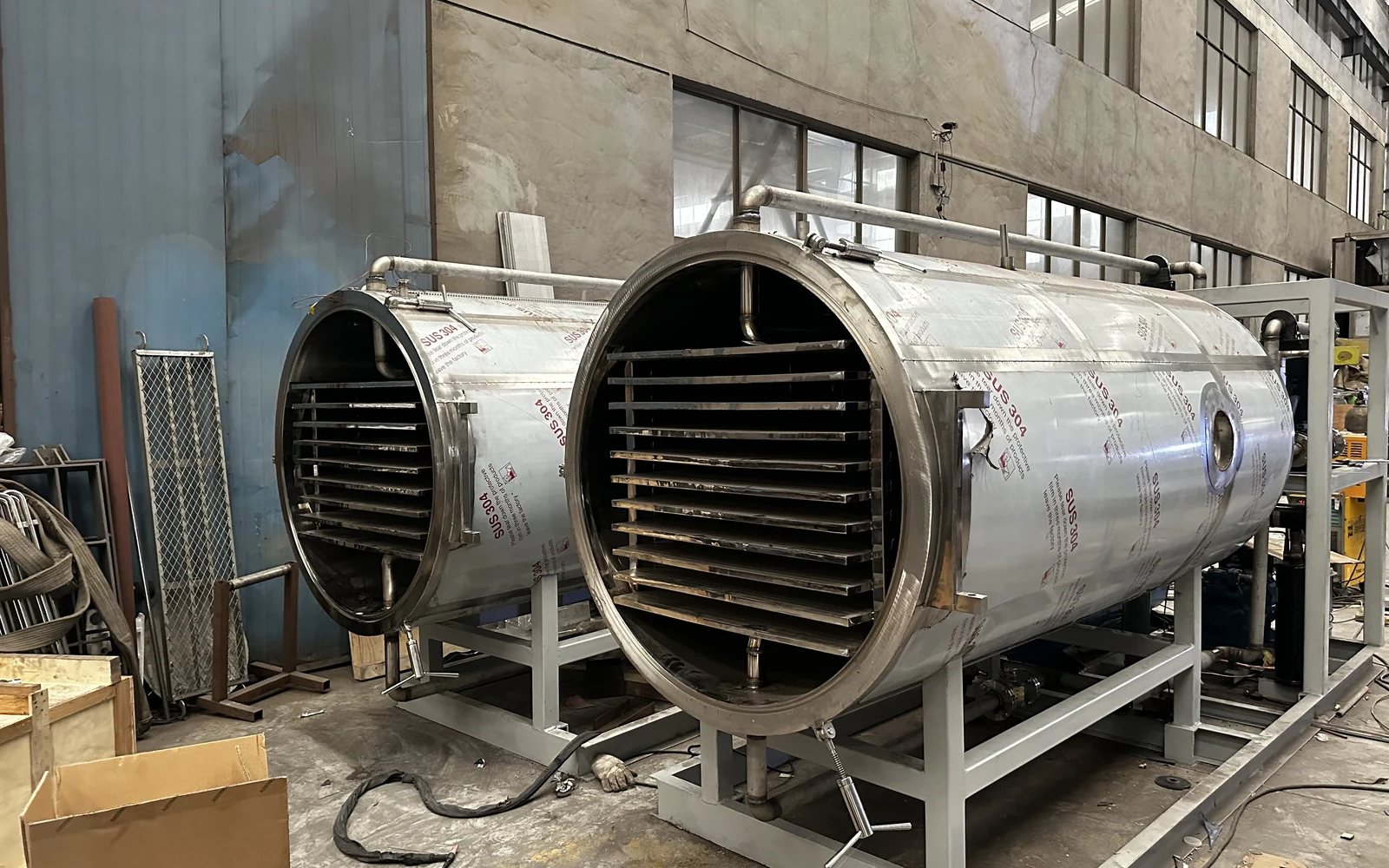
Size the Complete Batch Route, Not the Chamber Alone
Freeze-drying duty and parameter consequences
Size the batch from the feed rate and the water it contains, not from the chamber alone. Relate the atomised feed, the freezing rate and the condenser capacity to find the feed rate the machine can actually dry, and check that the collection system can separate the dried particles without caking or losing fines.
Include the feed preparation and the powder collection in the batch calculation. The liquid must be prepared and pumped at a controlled rate, and the dried powder must be discharged and packed without moisture uptake. Those steps set the real batch rhythm just as much as the chamber does.
Count the turnaround between cycles in the batch plan: unloading, defrosting, cleaning and reloading all consume time, and the daily output is set by the whole route rather than by the shelves in isolation.
For this spray machine, the batch calculation is complete only when the particle size and bulk density of the dried powder are included alongside the shelf area.
Include the turnaround and the the particle size and bulk density of the dried powder in the batch calculation, or the daily output will look better on paper than it is.
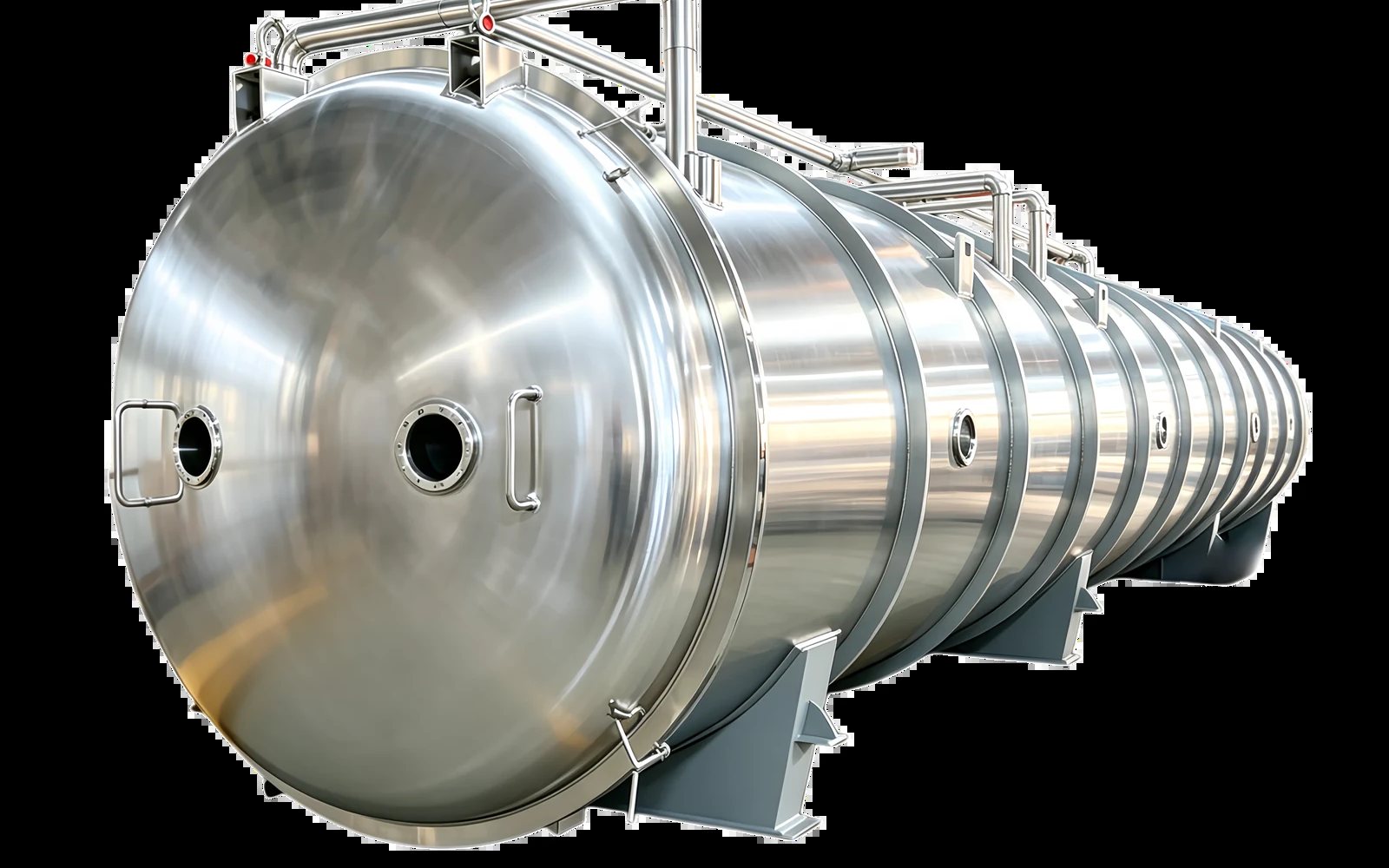
Keep the Family, Model and Operating Duty Together
Models and technical parameters
Keep the shelf area, the condenser and the cycle recipe in one view. Shelf area sets how much product can be loaded, but the condenser must remove the water that sublimes from that load, and the vacuum and refrigeration systems must hold the chamber at the setpoint while it happens. Quoting one of these numbers in isolation produces a machine that looks right on a data sheet and stalls in operation.
The HDF spray freeze dryer is read as a documented starting configuration, not as a fixed answer. Its published shelf area, tray count and condenser rating describe a reference load; the operating duty for your product is established by reconciling the load weight, the fill depth, the freezing point and the final moisture target into one cycle. When the family, the model and the duty travel together, the quotation matches the process instead of the photograph.
Where the published figure is only a reference, say so in the review and carry the product-specific duty forward instead, so the selected model is defended by evidence rather than by a brochure number.
That discipline is what keeps a catalog number from quietly turning into a performance commitment.
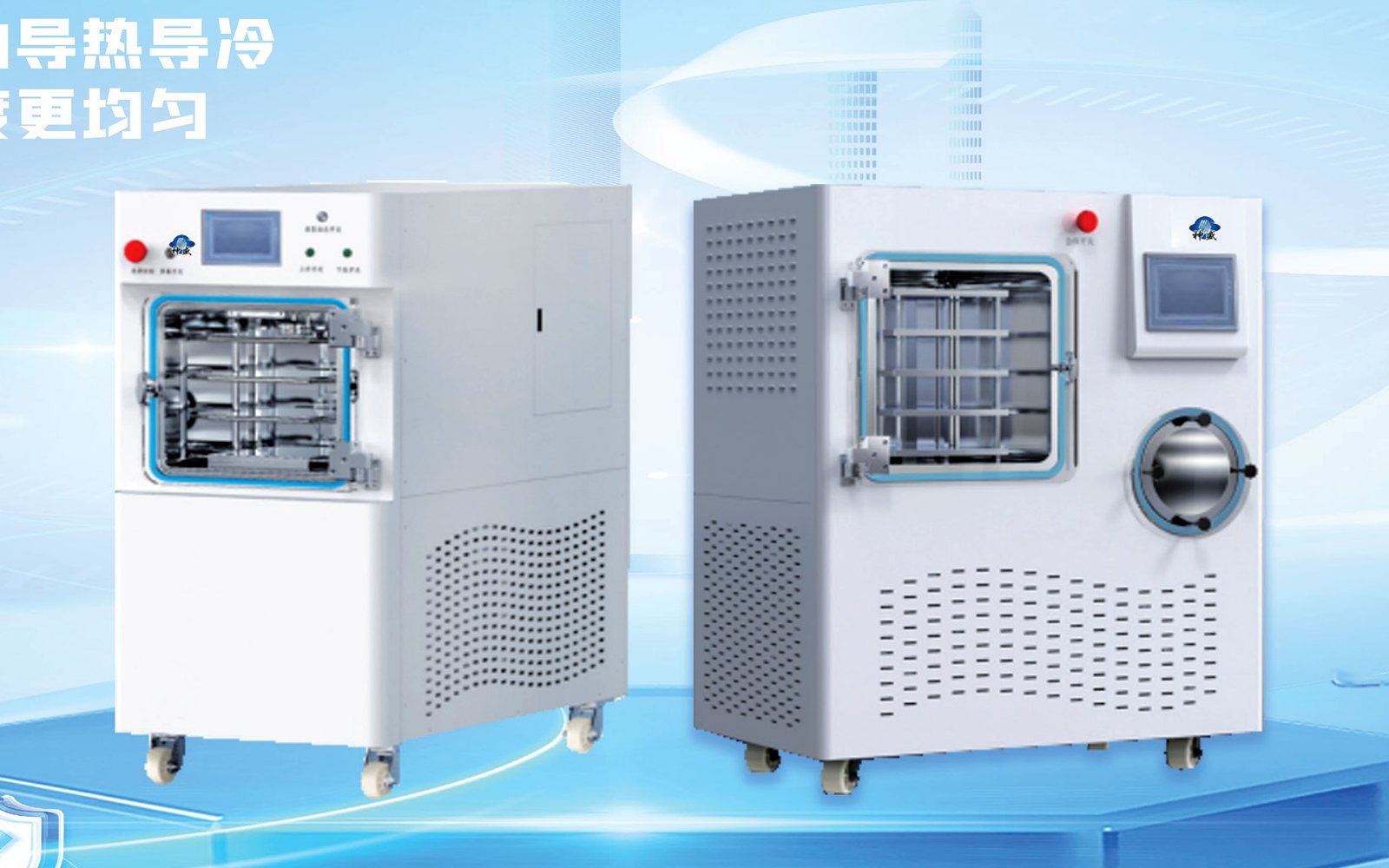
Resolve Four Connected Decisions Before Quotation
Selection logic and configuration boundary
- 01 / ProductDefine product state and the accepted endpoint.Record initial water or moisture basis, dimensions, loading depth, sensitivity, finished requirement and measurement method.
- 02 / BatchConvert production demand into useful loading and cycles.Separate batch mass, shelf area, water per batch, cycle allowance, defrost, cleaning and turnaround.
- 03 / ArchitectureConnect freezing, shelves, condenser and vacuum duty.Confirm pre-freezing route, shelf execution, condenser loading, vacuum system, refrigeration and control evidence.
- 04 / InterfaceClose factory, handling and pack-out boundaries.Review utilities, room and access, loading, unloading, cleaning, data, downstream protection and responsible parties.
Four connected decisions should be resolved before a quotation is meaningful. First, the shelf and tray configuration, because the tray spacing, the product depth and the loading method set the effective shelf area. Second, the condenser and vacuum package, which must remove the sublimed water without allowing the chamber pressure to drift. Third, the control and data system, including recipe storage, cycle logging and alarms. Fourth, loading, unloading and cleaning, which decide the labour and the downtime between cycles.
These four decisions are not independent. A deeper product load slows the cycle and increases the water the condenser must catch; a sealed or capping application adds an aseptic or sealing step that changes the shelf design; a research unit adds data export and ramp control that a production machine does not need. Work through them for the HDF spray freeze dryer with the actual product before comparing prices, so the quotation includes the capability that makes the machine usable.
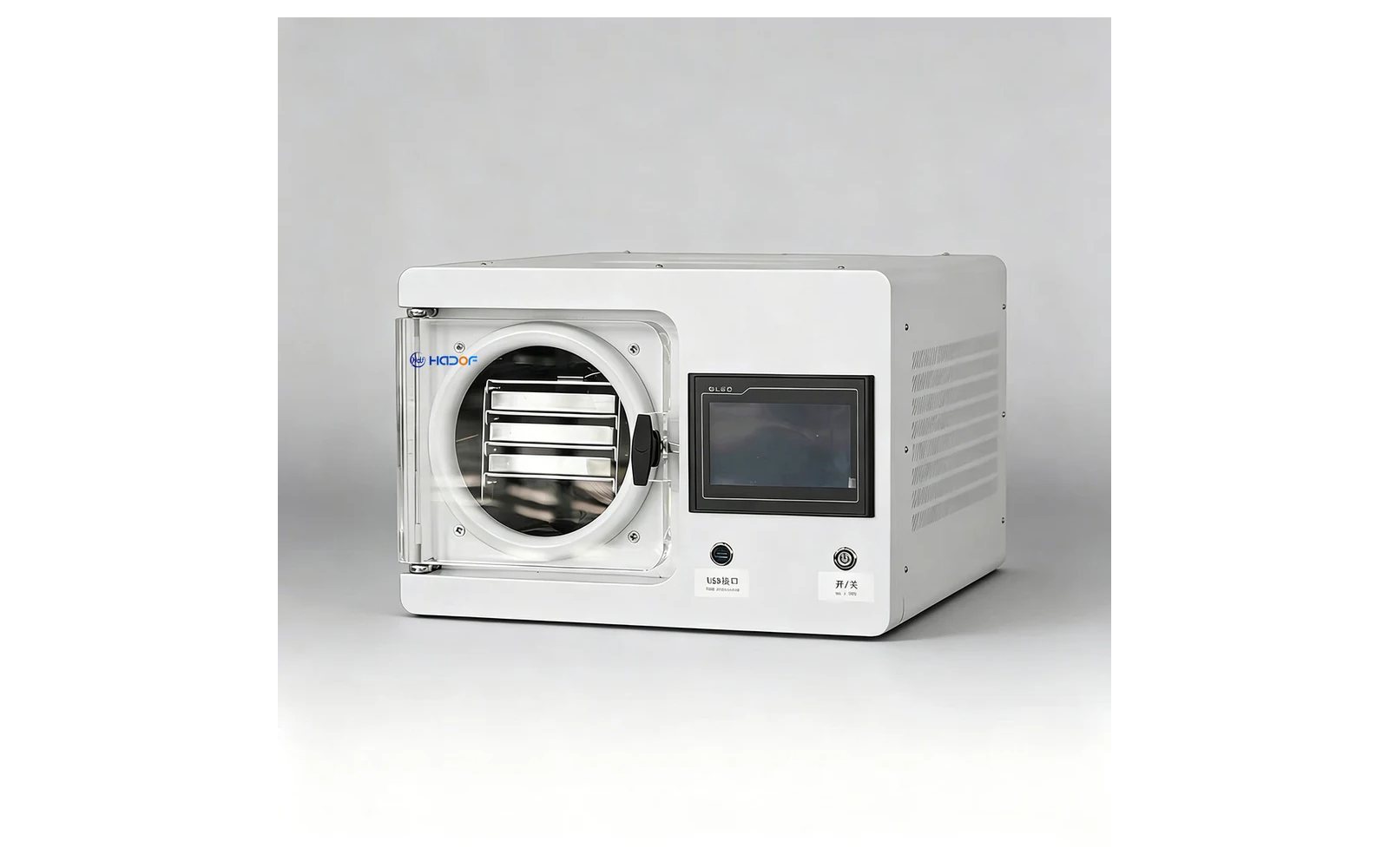
Turn the Catalog Row Into a Testable Project Record
Quality, testing, evidence and acceptance
The acceptance plan should state which catalog values are inspected, which functions are demonstrated, which product measurements are available at the factory and which checks can occur only after installation.
Model row, shelf and condenser data, utilities, layout, options, responsibilities and selected evidence.
Identity, construction, controls, safety, vacuum and refrigeration functions, dry run and agreed records.
Test material, batch load, freezing history, loading depth, cycle record, endpoint and declared limits.
Installation, utilities, product run, recipes, operator tasks, cleaning, pack-out and closure of open items.
Turn the catalog row into a testable record by writing the product, the load weight, the shelf temperature, the chamber pressure and the final moisture target into an acceptance plan. A freeze dryer is validated by its cycle data: the product temperature, the chamber pressure and the condenser load over time. Agree how that data is recorded and what it must show before the machine is accepted.
Run the trial on the HDF spray freeze dryer with representative product and keep the cycle record. Confirm the freezing stage reaches the target, the primary drying completes without melting the product, and the final moisture meets the specification. The same cycle record is the evidence you will show a customer or an auditor, so it must be kept with the machine documentation rather than treated as a one-off demonstration.
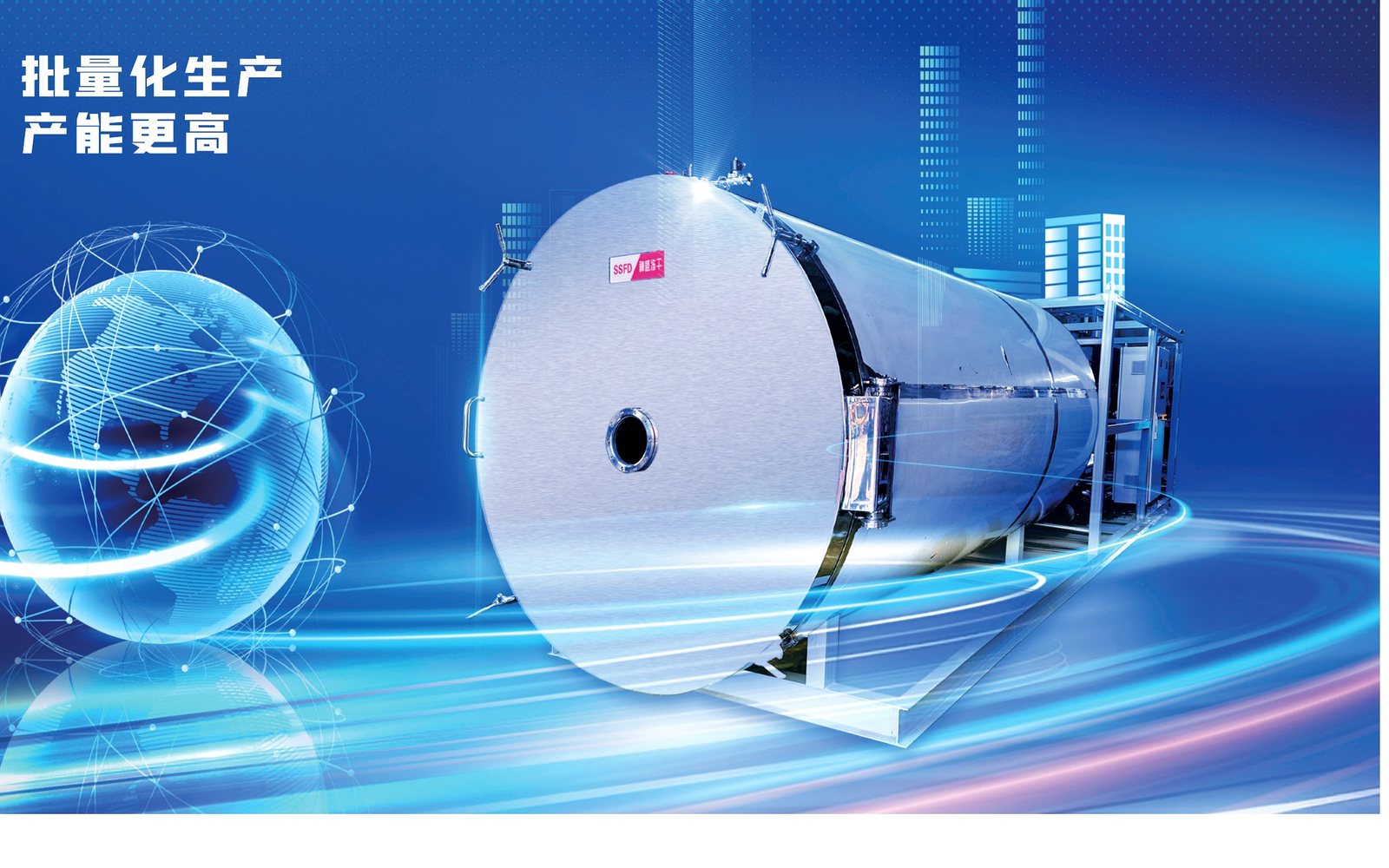
Confirm Responsibilities Beyond the Machine Name
Quotation, delivery and support scope
Small-batch spray freeze-dryer configuration
Select a model to inspect its dimensions, duty and utilities. Compare values within the same family and operating basis.
| Supply | 380 V / 12 kW |
|---|---|
| Batch volume | 2000 ml/batch |
| Freezing temperature | -20 to -55 °C |
| Cold trap | ≤-60 °C |
| Vacuum | <20 Pa |
| Atomization pressure | 2-5 bar |
| Air compressor | 4.2 m³/h |
| Spray head | Two-fluid |
| Nozzle | 0.7 mm standard; 0.5/0.75/1.0/1.5/2.0 mm options |
| Particle size | 1-100 μm nominal |
| Material | SUS304 nominal |
| Control | Automatic or manual |
| Envelope | 1600×1080×1750 mm |
| Weight | 300 kg |
| HDF spray freeze dryer — Small-batch spray freeze-dryer configuration | Supply: 380 V / 12 kW; Batch volume: 2000 ml/batch; Freezing temperature: -20 to -55 °C; Cold trap: ≤-60 °C; Vacuum: <20 Pa; Atomization pressure: 2-5 bar; Air compressor: 4.2 m³/h; Spray head: Two-fluid; Nozzle: 0.7 mm standard; 0.5/0.75/1.0/1.5/2.0 mm options; Particle size: 1-100 μm catalog reference; Material: SUS304 catalog reference; Control: Automatic or manual; Envelope: 1600×1080×1750 mm; Weight: 300 kg Catalog reference; PDF p.11, printed pp.19-20 |
|---|
Frequently asked questions
How should the HDF Spray Freeze Dryer Reference catalog values be used?
Does a catalog capacity guarantee net production output?
Which inputs are required before model selection?
How are testing and acceptance defined?
Which commercial items remain project-specific?
Confirm who supplies the feed system, the compressed air for atomisation, the vacuum and refrigeration utilities, and the powder collection and packing equipment. Spray freeze drying crosses liquid handling, atomisation and powder handling boundaries, and each one is named in the scope before the order is placed.